
Vandaag of morgen in huis

Kwaliteit gegarandeerd

Welkomstaanbiedingen ontgrendelen: GRATIS bezorging | Tot 80% korting | Gratis 30 dagen JoyPlus-proefperiode
Download de app
More hair in the shower drain, a visible scalp or hair that quickly falls flat: anyone searching for shampoo for hair loss is faced with plenty of promises. Yet not every anti-hair-loss shampoo is suitable for every hair concern. Hair breakage, fine hair, a dry scalp and dandruff each require a different approach.
As a Joybuy Product Recommendation Officer, I filter product information based on practical points such as ingredients, volume, usage and suitability. This helps you avoid paying mainly for a striking claim.
A shampoo can care for the surface of the hair and help reduce hair breakage, but that does not automatically mean it addresses the cause of hair loss. Thinning hair can have various causes. A cosmetic product is therefore not a substitute for medical advice in cases of sudden or persistent hair loss.
Pay attention to the wording of product claims. Phrases such as “helps support hair retention” or “reduces hair breakage” are not the same as guaranteed hair growth. What is more, according to a brand’s own research, specific results may be based on a complete haircare routine rather than shampoo alone.
A shampoo that creates a rich lather can leave your hair feeling clean, but may cause tightness if you have a dry scalp. So check the ingredients and product description. Sodium Laureth Sulfate, fragrance, menthol and essential oils are not necessarily unsuitable, but some users may find them less comfortable.
Do you quickly experience flakes, itching or redness? Choose a product clearly aimed at scalp care or dandruff, and stop using it if irritation occurs. If symptoms persist, it is wiser to seek advice from your GP or pharmacist.
A 1000 ml bottle may seem like good value, but it is not always practical in a small bathroom or when travelling. On the other hand, 250 ml can be more convenient if you want to try a formula first. Compare the volume with how often you wash your hair, your hair length and the amount of shampoo you use per wash.
Read the full INCI list, especially if you are sensitive to fragrance or essential oils. René Furterer Tonucia, for example, contains tamarind seed gum, glycerine, niacinamide, panthenol, hydrolysed wheat protein and orange oil. The product description also states that 90% of the ingredients are of natural origin.
That percentage does not mean the product will suit everyone. Natural origin does not rule out an individual reaction. The ingredients list may change from one batch to another, so the packaging remains the most up-to-date source.
A shampoo for daily use should fit your washing routine. Most products are applied to wet hair, massaged in and rinsed out. Some formulas have a recommended leave-on time. For example, the René Furterer Triphasic Strengthening Shampoo 500mL is stated to require a leave-on time of 1 to 3 minutes.
Do not automatically use more shampoo for a stronger effect. A small amount, distributed well over the scalp, is usually enough. Rinse thoroughly and avoid contact with the eyes.
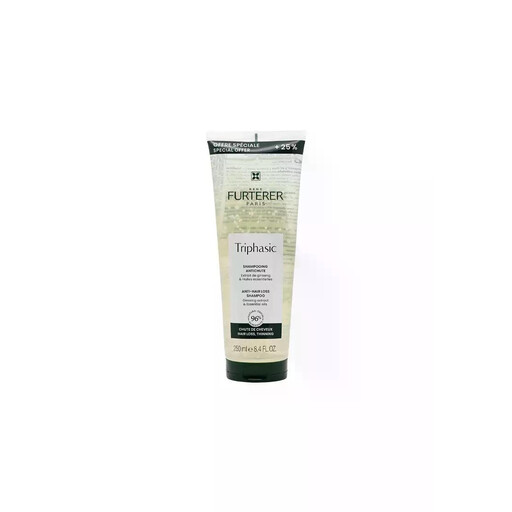
Why it suits this profile: The 250 ml size is manageable when you want to try a shampoo for thinning hair first. The product information states that it is suitable for all hair types and has a pearlescent texture.
You do not have to buy a large supply before finding out how your scalp reacts to the formula. The anti-hair-loss variant and volume are stated in the product specifications.
250 ml, suitable for all hair types according to the product information, intended for daily use.
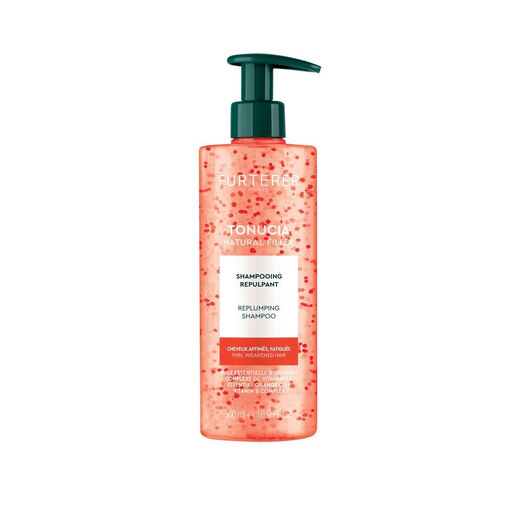
Why it suits this profile: According to the product description, this shampoo is designed for fine, limp and thinning hair. The formula combines tamarind seed extract, panthenol, niacinamide and hydrolysed wheat protein.
The product information mentions daily cleansing and hydration rather than making only a general claim about hair loss. Check the ingredients for fragrance and oils if you have a sensitive scalp.
500 ml, intended for frequent use, with tamarind seed gum, glycerine, panthenol and niacinamide.
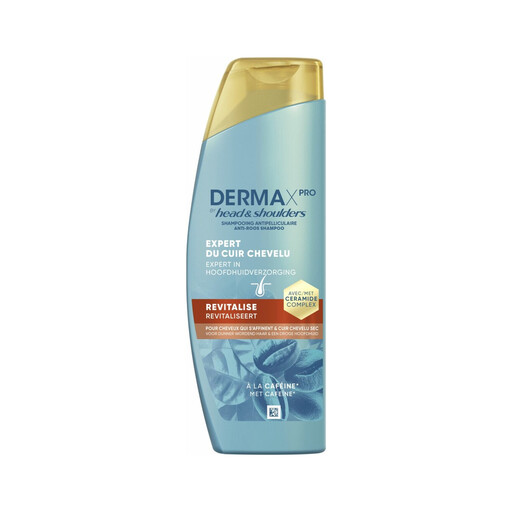
Why it suits this profile: If you have thinning hair as well as a dry, flaky scalp, you could consider this anti-dandruff shampoo with piroctone olamine, caffeine and a ceramide complex.
The formula is not focused solely on volume; it also states an anti-dandruff purpose. According to the product information, it is neither sulphate-free nor silicone-free, which helps avoid unrealistic expectations.
250 ml, piroctone olamine, caffeine and ceramide complex; dermatologically tested according to the product specifications.
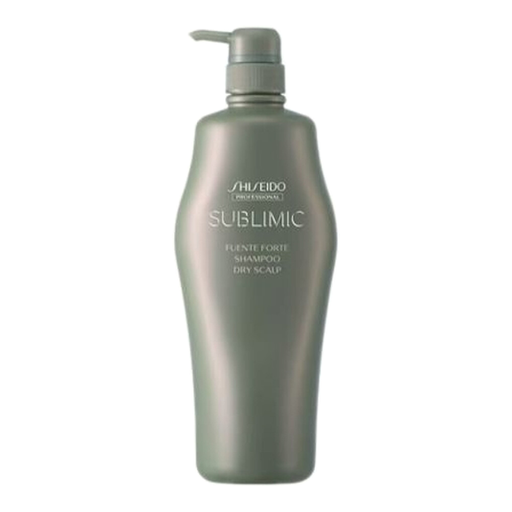
Why it suits this profile: According to the product description, this formula is designed for a dry scalp and comes in a 1000 ml size. That makes it suitable for regular use at home.
The product variant clearly states “Dry Scalp”. So you do not need to choose a general shampoo for oily hair when dryness is your main concern.
1000 ml, designed for dry scalps, suitable for a consistent shampoo routine.
We have put together a complete, up-to-date list of products that fully meet these strict selection criteria and the applicable European safety regulations.
A shampoo can cleanse the hair and scalp and, according to a brand, help with hair breakage, hair retention or a healthy scalp environment. That is not the same as treating the underlying cause of hair loss. Use claims to compare products, not as a guarantee. If you experience sudden, severe or prolonged hair loss, you can consult your GP.
That depends on the formula, your scalp and your daily routine. A product described as shampoo for daily use may be suitable for frequent washing. If you have a dry scalp, washing less often may feel more comfortable. Always follow the instructions on the packaging and rinse the shampoo out thoroughly.
This mainly depends on the volume, your hair length and how often you wash it. A 250 ml bottle is suitable for assessing a formula first; 500 ml or 1000 ml is better suited to high-volume use. Store shampoo in a cool, dry place, close the bottle properly and check the expiry date and period after opening on the packaging.
