
Vandaag of morgen in huis

Kwaliteit gegarandeerd

Welkomstaanbiedingen ontgrendelen: GRATIS bezorging | Tot 80% korting | Gratis 30 dagen JoyPlus-proefperiode
Download de app
Hair loss, thinning hair or a sensitive scalp doesn’t automatically call for the same shampoo. A product designed mainly for damaged lengths can be unsuitable for an oily scalp. Conversely, a deeply cleansing shampoo can leave dry hair feeling rough and stiff.
As a Joybuy Product Recommendation Officer, I always start with verifiable information: ingredients, volume, usage instructions and suitable hair type. Marketing claims are only useful when you weigh them against these product details.
Hair that snaps during brushing is different from hair that falls out from the root. A shampoo for damaged hair can help make hair smoother and more manageable, but that doesn’t automatically mean it tackles the cause of hair loss.
Look out for terms like anti-hair loss shampoo, “anti-breakage” and “for more volume”. They don’t always describe the same goal. So check whether the product targets the scalp, the hair fibre or just the appearance of the hair.
A formula with caffeine, plant extracts, peptides or vitamins sounds appealing. Yet the presence of an ingredient alone doesn’t tell you how much of it has been used or what result you can expect. According to a brand’s own research, certain effects may be mentioned, but don’t treat that information as a guaranteed outcome.
Always look at the full ingredients list and watch out for potential fragrance ingredients, menthol, essential oils or preservatives if your scalp reacts quickly.
A dry scalp has different care needs to an oily one. A shampoo for a healthy scalp can cleanse gently, while a shampoo for a greasier scalp focuses more on removing sebum and product build-up. An anti-dandruff shampoo is a separate category altogether.
A large bottle isn’t always the best value. A volume of 1,000 or 1,500 ml can be handy for regular use, but only go for a big size if the formula genuinely suits your scalp and washing routine.
Check the first cleansing ingredients on the label. Substances like sodium laureth sulfate, ammonium lauryl sulfate or sodium C14-16 olefin sulfonate can create a thorough lather. Gentler combinations include amino acid or coconut-derived cleansers.
This doesn’t automatically make a formula good or bad. The right choice depends on how often you wash and whether your scalp is dry, oily or sensitive. If you wash daily, you may find a milder anti-hair loss shampoo more comfortable.
A shampoo for thinning hair should, practically speaking, be applied to the scalp and massaged in. With a shampoo for damaged hair, the emphasis is often on the lengths and hair fibres. Ingredients such as proteins, castor oil, panthenol, silicones or conditioning polymers can make hair feel smoother and easier to comb through.
A volumising shampoo can make hair appear fuller through conditioning, coating or added texture. That’s not the same as a permanent increase in the number of hairs.
Check whether the product is intended for daily or regular use, how many millilitres you get and whether a leave-in time applies. Lucovitaal, for example, states that the shampoo can be used daily and that a massage with around ten minutes of contact time is part of the application.
Always follow the label on the packaging. Avoid contact with the eyes and stop if you experience redness, itching or irritation. If hair loss is sudden or persistent, it’s wise to consult a GP; shampoo is not a diagnosis or medical treatment.
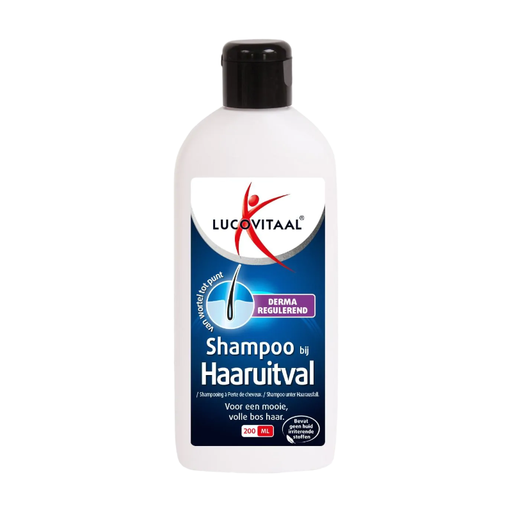
Why this fits the profile: The formula targets hair loss and, according to the product information, can be used daily. The well-known nasturtium is listed in the ingredients.
The product description mentions a mild cleansing base and specific usage instructions, so you’re not relying solely on a general anti-hair loss claim.
Daily use as per the description; contains Tropaeolum majus extract and Polyquaternium-7.
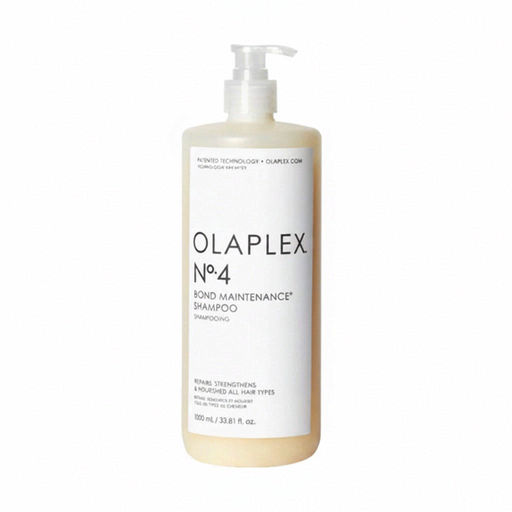
Why this fits the profile: A large salon-size bottle for anyone who regularly washes damaged or treated hair and prioritises breakage and manageability.
The product information distinguishes between hair care and scalp treatment: this shampoo is primarily reparative and not solely focused on hair loss.
1,000 ml volume; sulphate-free and colour-safe formula according to the product description.
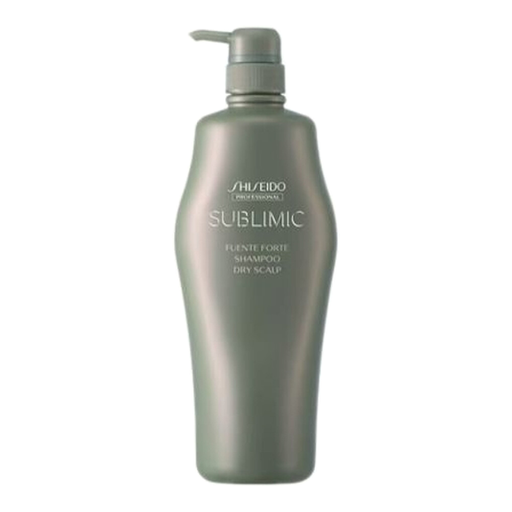
Why this fits the profile: Designed for adults looking for a shampoo for a dry scalp and who use a large bottle as part of a regular washing routine.
The variant explicitly states “Dry Scalp”, so you can distinguish this choice from the Fuente Forte version for an oily scalp.
1,000 ml volume; usage instructions include a scalp massage.
We’ve put together a full, up-to-date list of products that fully meet these strict selection criteria and comply with current European safety regulations.
A shampoo is rinsed out and therefore has limited contact time with the scalp. Products can cleanse, condition and make hair feel less brittle or more manageable. Don’t expect a guaranteed or instant solution to the cause of hair loss. If hair loss is persistent, sudden or noticeable, medical advice should be your next step.
That depends on the usage instructions and your scalp. Some formulas are suitable for daily use according to the product information, while a deeply cleansing shampoo may be more comfortable with less frequent washes. Start with the recommended amount and massage gently, without rubbing hard on the scalp.
First, choose the problem you want to address. For an oily scalp, ingredients and variants that help remove sebum and product build-up are a good fit. For a dry scalp, a gentler, more nourishing formula makes more sense. For brittle or chemically treated lengths, look for a reparative shampoo with proteins, conditioning ingredients or a professional shampoo for damaged hair. Always check the label and the current ingredients list on the packaging.
