
Vandaag of morgen in huis

Kwaliteit gegarandeerd

Welkomstaanbiedingen ontgrendelen: GRATIS bezorging | Tot 80% korting | Gratis 30 dagen JoyPlus-proefperiode
Download de app
Dryness, frizz and hair breakage do not always have the same cause. Coloured hair needs different care from an oily scalp, while shampoo for damaged hair is not automatically suitable for dandruff or unwanted yellow tones. Relying solely on words such as “repair”, “plex” or “bond repair” can therefore lead you to buy a product that does not fit your own routine.
The main pitfalls:
Ingredients such as Sodium Laureth Sulfate and Sodium Lauryl Sulfate cleanse powerfully and create lather. This can be useful for an oily scalp or when using lots of styling products, but very dry or porous hair may need more conditioning afterwards.
A sulphate-free shampoo uses different cleansing agents. That does not automatically mean the formula is more suitable for everyone. Also look for glycerine, panthenol, betaine, oils and conditioning ingredients. A moisturising shampoo is particularly worth considering when your hair feels rough, dull or frizzy.
Do not just compare the price of the bottle; also compare the price per 100 ml. A 1,000 or 1,500 ml bottle is practical for a family, salon or frequent user, but less convenient if you want to test how your hair responds first. A large-format shampoo can be cost-effective when several people use the same formula.
Also pay attention to claims such as “90% ingredients of natural origin” or “less hair breakage”. According to a brand’s own research or the product description, such figures may be linked to specific test conditions, for example use together with conditioner. Treat them as product information, not as a personal guarantee.
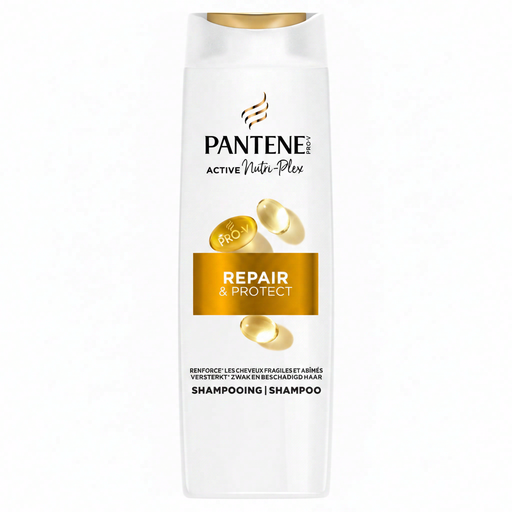
Why it suits this profile: An everyday shampoo for adults looking for an accessible formula for dry, dull or visibly damaged hair.
The product information clearly states that the formula is free from silicones, mineral oil and colourants. However, check the quantity: the title states 400 ml, while the product specification states 250 ml.
Pro-V formula, panthenol in the ingredients list and suitable for regular use according to the product description.
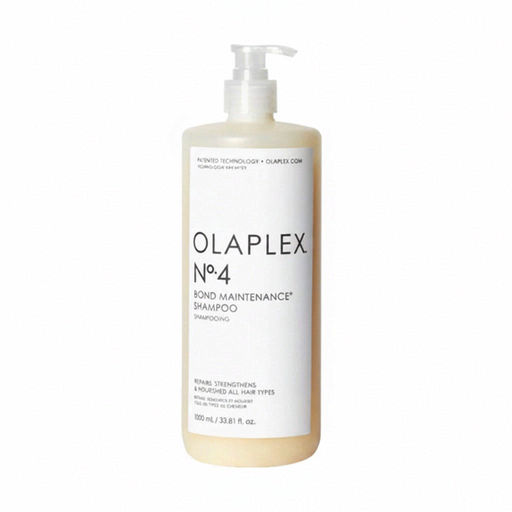
Why it suits this profile: Suitable for anyone who places a high value on a sulphate-free, colour-safe formula and a large quantity for regular use.
The product description explicitly states that it is sulphate-free and colour-safe. This makes it easy to compare the formula directly with regular sulphate shampoos.
1,000 ml quantity, moisturising positioning and an ingredients list that includes glycerine, panthenol and plant proteins.
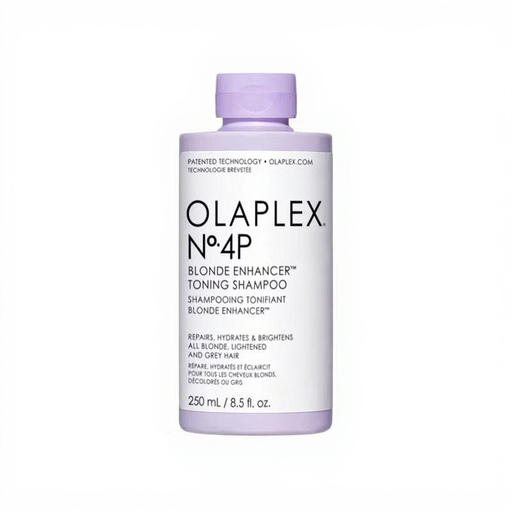
Why it suits this profile: For blonde or grey hair where, alongside conditioning, you also want to neutralise yellow tones.
The recommended frequency is clearly specified: two to three times a week or as needed. This helps prevent you from using purple shampoo as your regular everyday shampoo.
Sulphate-free positioning, purple pigments and a formula that, according to the product description, is suitable for coloured or natural hair.
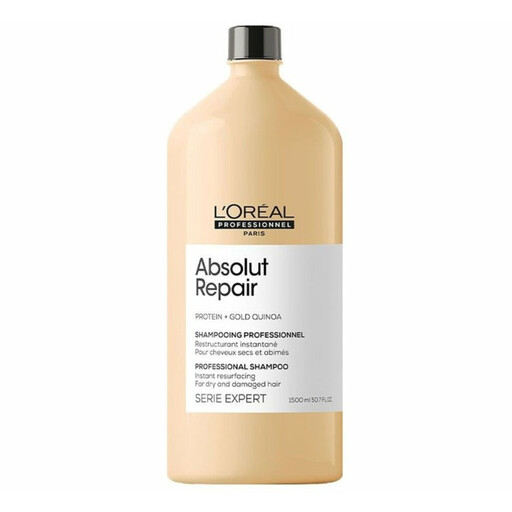
Why it suits this profile: A salon-size bottle for households or professional users who wash frequently and are looking for a formula for damaged or chemically treated hair.
The 1,500 ml quantity is clearly stated. According to the product specifications, the formula is not sulphate-free, silicone-free or paraben-free, making it easier to compare.
Large pack, golden quinoa and proteins according to the product description, with a positioning for damaged hair.
We have put together a complete, up-to-date list of products that fully meet these strict selection criteria and the applicable European safety regulations.
Wet your hair thoroughly and use a small amount. Massage mainly into the scalp; the lengths are usually cleansed sufficiently as the lather runs through them. Rinse thoroughly, then apply conditioner to the lengths. For dry hair, a treatment once or a few times a week can provide extra care.
Do not automatically wash your hair more often just because the product is called “repairing”. The right frequency depends on sebum production, exercise, styling and hair type. Stop using the product if you experience itching, burning or redness, and rinse it out thoroughly.
That depends on your scalp. Regular washing may be suitable for a normal or oily scalp, while dry hair may need washing less often. When using anti-dandruff shampoo, follow the instructions on the packaging.
According to brands’ own research or product information, bond repair formulas may help damaged hair look stronger or smoother. Results vary depending on the condition of your hair and how you use the product. Also limit heat, bleaching treatments and tightly tied hairstyles.
It can be, especially when several people use the same formula. Calculate the price per 100 ml and check the shelf life after opening. For a specific need, such as purple shampoo or anti-dandruff shampoo, a smaller bottle is often wiser so that you can assess its suitability first.
