
Vandaag of morgen in huis

Kwaliteit gegarandeerd

Welkomstaanbiedingen ontgrendelen: GRATIS bezorging | Tot 80% korting | Gratis 30 dagen JoyPlus-proefperiode
Download de app
Dry, frizzy or brittle hair does not automatically require the most expensive bottle. When choosing shampoo for damaged hair, the main considerations are the cause of the problem, the ingredients and how you use the product. Shampoo primarily cleanses the scalp and hair. Damaged lengths cannot be permanently repaired in a single wash, but you can make the hair feel smoother and help reduce further friction.
Terms such as “bond repair”, “90% less hair breakage” or “repair from within” sound convincing, but they do not always explain how the result was measured. Therefore, check:
According to Gliss-Kur’s own research, the Ultimate Repair range can provide up to 90% more resilience and shine when used with conditioner. This is a brand claim for the stated combination, not a universal guarantee for every user. Syoss claims of up to 90% less hair breakage also apply, according to the product information, when used with the corresponding conditioner.
A nourishing shampoo with argan oil can feel pleasant on very dry hair, while a shampoo for fine and brittle hair should feel lightweight. “Natural” does not automatically mean suitable for your scalp. Conversely, a shampoo containing sulphates is not necessarily unsuitable. Sulphates cleanse powerfully, but may leave some people’s hair feeling dry.
Review the full ingredients list and consider any known preferences, such as fragrance, silicones, proteins or sulphates. Ingredients can change, so always check the packaging.
A shampoo for damaged lengths does not need to have the same properties as an anti-dandruff shampoo. For dry ends, apply the shampoo mainly to the scalp and let the lather run through the lengths. Apply conditioner or a mask afterwards, mainly from the mid-lengths down to the ends. This helps prevent fine hair from becoming unnecessarily weighed down.
Use this practical guide:
Ingredients are generally listed in descending order of quantity. In many shampoos, cleansers such as Sodium Laureth Sulfate and Cocamidopropyl Betaine appear near the top. This is useful information when you are looking for gentler or, alternatively, more thorough cleansing.
Also look out for:
A 250 ml bottle is convenient for trying a product first. A 1,500 ml bottle may offer better value per millilitre, but takes up more space and is less suitable if you are not yet familiar with the formula. With a value pack of six bottles, you should also check whether you will use the product within the stated period after opening.
Do not automatically use more shampoo. A small amount applied to the scalp is usually enough; long hair does not necessarily require a larger quantity. Rinsing thoroughly helps remove product residue and prevent a heavy feel.
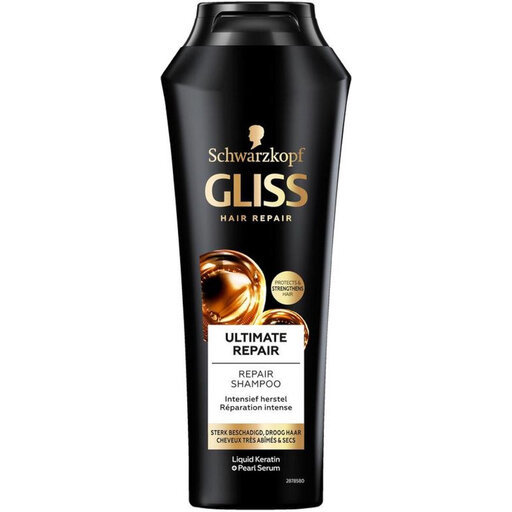
Why it suits this profile: The 250 ml size is manageable if you want to try a repairing shampoo first. The product information lists hydrolysed keratin, hydrolysed pearl and glycerine.
You do not have to buy a large supply straight away, and can compare the ingredients list with your personal preferences beforehand.
250 ml; contains hydrolysed keratin and glycerine; designed for dry and damaged hair.
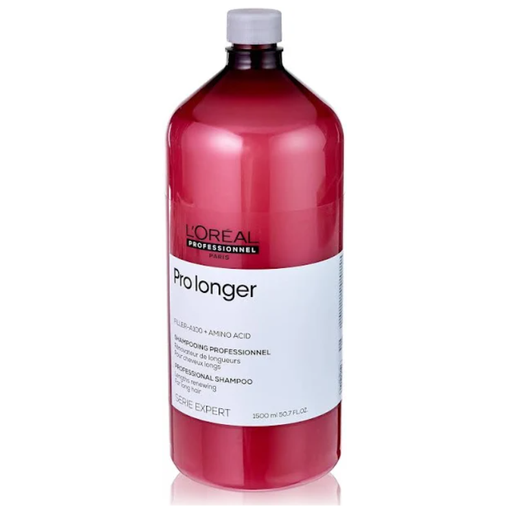
Why it suits this profile: This professional shampoo is designed for fine, weak lengths and ends. The 1,500 ml bottle is suitable for long-term use at home or in a salon.
The target user and intended application are clearly described, so you can weigh this choice against your actual need to care for your lengths and ends.
1,500 ml; formula with filler A-100 and amino acids according to the product description; suitable for all hair colours.
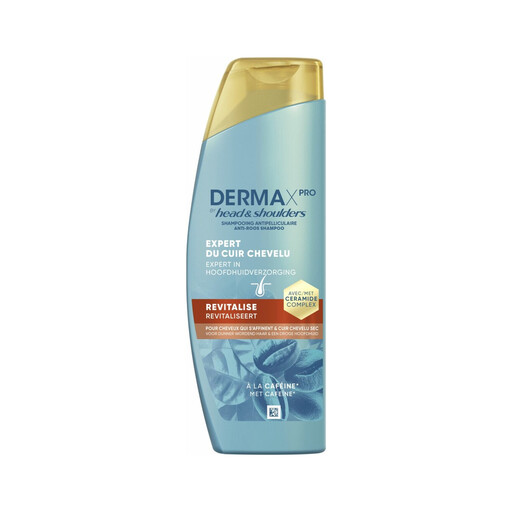
Why it suits this profile: This option is intended for users who want to combine hair care with attention to flakes and the scalp.
You are not choosing solely on the basis of a hair-repair claim; instead, you check whether scalp care is genuinely part of your purchasing goal.
250 ml; contains piroctone olamine and caffeine according to the ingredients list; product information states that it has been dermatologically tested.
We have put together a complete, up-to-date list of products that fully meet these strict selection criteria and the applicable European safety regulations.
Choose a formula with conditioning ingredients such as glycerine, oils, silicones or hydrolysed proteins, depending on your preferences. For very dry hair, a nourishing shampoo with argan oil may be suitable. For damaged lengths, keratin, amino acids and proteins are common ingredients. Always check that your hair does not feel heavy or coarse after several washes.
This depends on your scalp, how often you exercise, your styling products and your sebum production. Wash your hair when your scalp feels dirty or greasy and massage gently with your fingertips. Apply conditioner to the lengths and ends after every wash. If you experience itching, persistent flakes or irritation, it is advisable to follow the label and seek professional advice if necessary.
Shampoo can temporarily make hair feel smoother, more supple and easier to comb. It cannot permanently seal split ends; trimming remains the practical solution. Therefore, combine an anti-breakage shampoo with conditioner, gentle drying, less heat and a comb that does not pull at the hair.
