
Vandaag of morgen in huis

Kwaliteit gegarandeerd

Welkomstaanbiedingen ontgrendelen: GRATIS bezorging | Tot 80% korting | Gratis 30 dagen JoyPlus-proefperiode
Download de app
Dry, brittle or chemically treated hair needs a different approach from normal hair. Even so, it can be difficult to make the right choice based on an eye-catching label. A shampoo for damaged hair may focus on hydration, hair breakage, volume, an oily scalp or dandruff. These goals do not always require the same formula.
As a Joybuy Product Recommendation Officer, I filter product information based on practical points: ingredients, size, intended use and verifiable specifications. This helps you avoid paying solely for an attractive claim or a familiar brand name.
Words such as “repair”, “bond repair” and “restoring” usually refer to a cosmetic effect: the hair may feel smoother, softer or easier to comb. Shampoo cannot permanently repair split ends. According to some brands’ product descriptions, a formula may help reduce hair breakage, but always check whether this result depends on using the product with conditioner or as part of a complete product range.
A formula with a high percentage of ingredients of natural origin may still contain fragrance, essential oils or cleansing sulphates. René Furterer Tonucia, for example, states that it contains 90% ingredients of natural origin, but the ingredients list also includes sodium laureth sulfate, parfum and various fragrance substances. This does not automatically make the product unsuitable, but a sensitive scalp may react differently to these ingredients.
A salon-size bottle of 1,000 or 1,500 ml may seem appealing, but it is not suitable for every hair type. A rich shampoo can weigh down fine hair, while a strongly cleansing formula may feel uncomfortable on a dry scalp. Therefore, look at the price per 100 ml, the recommended frequency of use and whether you want to use the formula every day.
If you want a sulphate-free shampoo, check the full ingredients list rather than just the front of the packaging. Olaplex N°4 Bond Maintenance Shampoo states that it has a sulphate-free formula and uses sodium lauroyl methyl isethionate, cocamidopropyl hydroxysultaine and decyl glucoside among its cleansing agents.
Not being sulphate-free does not automatically mean a shampoo is poor quality. A shampoo containing sodium laureth sulfate may be suitable for an oily scalp or for people who want to remove styling products. For dry, porous or coloured hair, a gentler cleansing formula may feel more comfortable.
A 250 to 400 ml bottle is practical for trying a product first. Value packs are more appealing if you already know the product or if several people in your household will use it. Gliss-Kur Total Repair, for example, is available as a single bottle and as a pack of six 250 ml bottles. With larger packs, also check the expiry information on the packaging.
Focus on washing the scalp and let the lather run through the lengths while rinsing. Use conditioner or a hair mask on the lengths if your hair tangles easily. Using too much shampoo, very hot water and vigorous rubbing can place unnecessary strain on your hair.
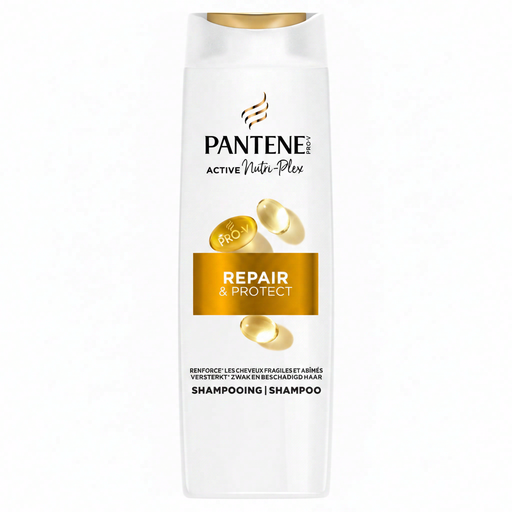
Why it suits this profile: An accessible everyday shampoo for adults who want to care for dry or visibly dull hair without immediately choosing a salon-size bottle.
The product information clearly states a size of 400 ml and a formula without silicones, mineral oils or colourants. However, check the current packaging, as ingredients may change.
400 ml, suitable for daily use according to the product description, and developed to nourish and protect.
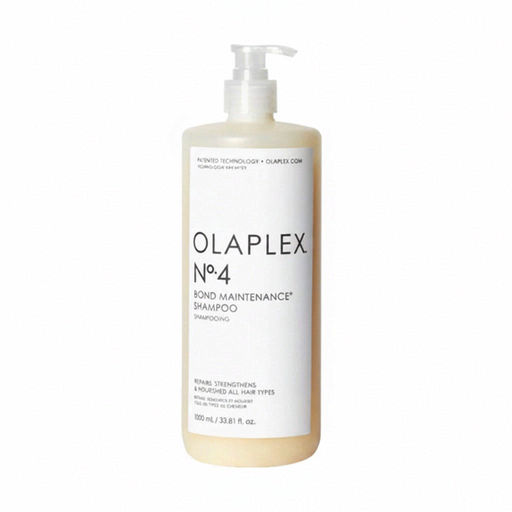
Why it suits this profile: For anyone who colours, bleaches or uses heat regularly and is looking for a large bottle with a sulphate-free formula.
The product description explicitly mentions colour-safe care and sulphate-free washing. The large size is only cost-effective if this intensive care suits your hair and washing routine.
1,000 ml, a sulphate-free formula and bis-aminopropyl diglycol dimaleate in the ingredients list.
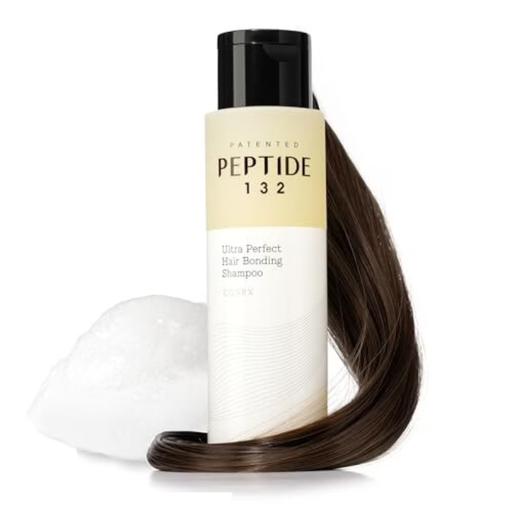
Why it suits this profile: For users combining damaged hair with an oily, sensitive or flaky scalp who want to weigh up several care needs.
The formula focuses on more than just the hair lengths: according to the product information, it contains piroctone olamine, Zinc PCA and caffeine. The described effects come from the brand’s product information and are not a medical claim.
Slightly acidic pH according to the product description, Zinc PCA, piroctone olamine and a size of 285 ml.
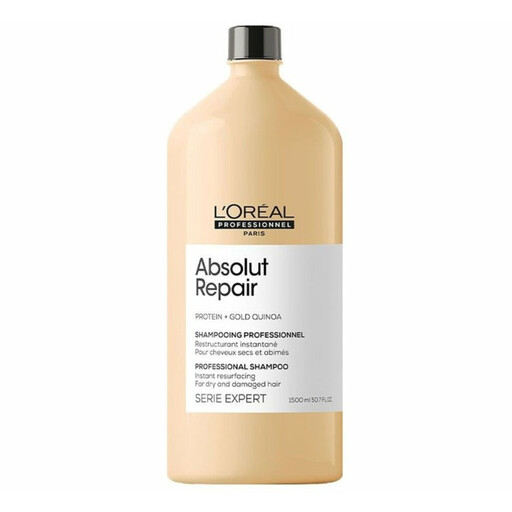
Why it suits this profile: A professional salon-size shampoo for households or users who wash their hair frequently and want a generous supply.
The product information states the size of 1,500 ml and the presence of golden quinoa extract and hydrolysed proteins. The formula is not sulphate-free; bear this in mind if you have dry or sensitive hair.
Salon size of 1,500 ml, proteins and quinoa extract according to the ingredients list.
We have put together a complete, up-to-date list of products that fully meet these strict selection criteria and the applicable European safety regulations.
That depends on your scalp and washing routine. For a normal or dry scalp, washing two to three times a week may be enough. An oily scalp may sometimes require more frequent washing. Use a small amount and massage mainly into the scalp. When using an anti-dandruff shampoo, follow the instructions on the packaging.
Shampoo can make the hair’s surface feel smoother and make it easier to comb. According to brands’ own research or product claims, some formulas may help reduce hair breakage, but these results are not automatically the same for everyone. Combine a shampoo for hair breakage with conditioner, gentle drying and less heat.
It can be, but choose a lightweight formula and do not use too much product. A bond repair shampoo is mainly intended for hair that has become fragile due to colouring, bleaching, heat or styling. For fine hair, a shampoo for thinning hair with a volumising texture may be a better fit. Always check that the formula does not leave your hair feeling heavy or greasy.
