
Vandaag of morgen in huis

Kwaliteit gegarandeerd

Welkomstaanbiedingen ontgrendelen: GRATIS bezorging | Tot 80% korting | Gratis 30 dagen JoyPlus-proefperiode
Download de app
Dry, brittle or chemically treated hair doesn’t automatically need the most expensive bottle on the shelf. When it comes to shampoo for damaged hair, the choice really comes down to a combination of hair length, scalp type, washing frequency and formula. A shampoo can make hair feel smoother during washing, but it can’t literally mend split ends or repair existing damage.
Words like “bond repair”, “restore” and “up to 90% less hair breakage” sound convincing, but the conditions behind such a claim matter. According to Syoss’s own research, the claim about reduced hair breakage applies, for example, when used with the matching conditioner. So treat these figures as information from the manufacturer, not as a universal guarantee.
A formula with keratin, proteins, oils or silicones isn’t automatically right for every hair type. Proteins can be beneficial for weakened hair, while fine hair may feel weighed down by a rich formula. Silicones can smooth the hair’s surface, but shoppers looking for silicone-free haircare need to check the product information separately.
A restorative shampoo for the lengths of your hair is not the same as a shampoo for an oily scalp, dry scalp or dandruff. If you use a nourishing shampoo on a scalp that gets greasy quickly, you may find your hair feels less fresh. Conversely, a strong cleansing shampoo can feel uncomfortable on a dry scalp.
First, choose one main goal:
Check the label or product description to see if the shampoo is sulphate-free, silicone-free, paraben-free or pH-neutral. None of these features are essential for everyone. A sulphate-free bond repair shampoo can be interesting for dry or chemically treated hair, while a more thorough cleansing formula can be useful if you use a lot of styling products or have an oily scalp.
Also pay attention to perfume and known fragrance ingredients if you are sensitive to them. If in doubt, test a small amount first and stop if irritation occurs.
A 250–300 ml bottle is handy for trying something out first. For families, salons or daily use, a 1,000–1,500 ml pack can be better value per millilitre. Don’t just compare the bottle price; divide the price by the volume. A shampoo value pack with six bottles is practical when you already know the product, but less suitable if you’re not yet sure the formula works for your hair.
Use a small amount, massage mainly the scalp and work the lather through the lengths. A second wash is only needed if your hair is very greasy or heavily soiled. Afterwards, use conditioner on the lengths to reduce tangles and friction.
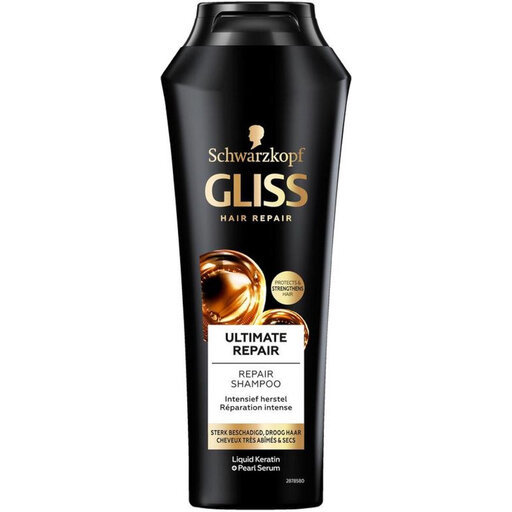
Why this fits the profile: A compact bottle to try a restorative shampoo first on dry or damaged hair.
The 250 ml size limits the risk of a costly mistake if your hair isn’t used to the formula.
According to the product description, the formula contains hydrolysed keratin and pearl protein and is designed for dry and damaged hair.
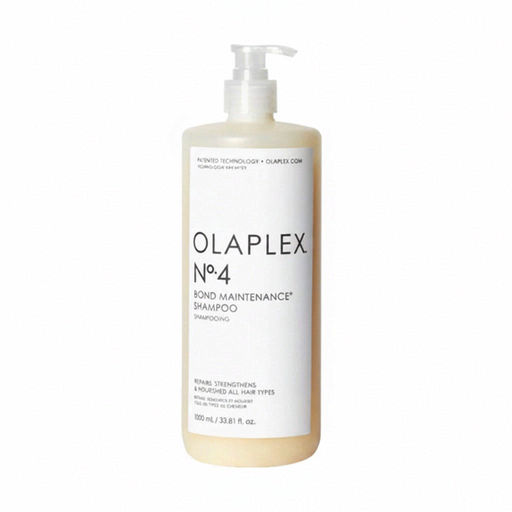
Why this fits the profile: Aimed at users who want a large salon-size bottle and a sulphate-free formula for regular use.
The product information clearly states that the shampoo is colour-safe and sulphate-free, so you don’t have to rely on a general repair claim.
1,000 ml size; according to the product description, suitable for all hair types and designed to help reduce hair breakage.
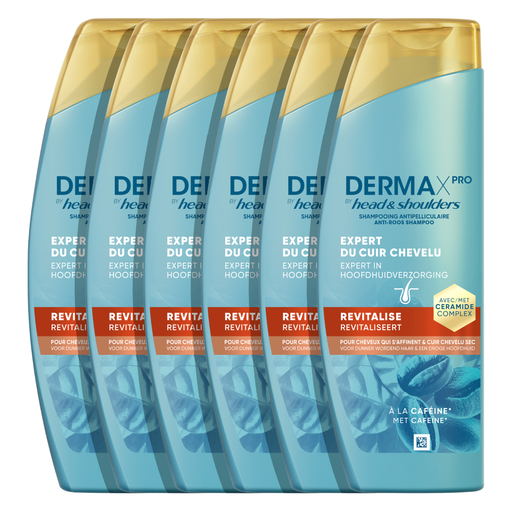
Why this fits the profile: A value pack for households that regularly use an anti-dandruff shampoo and want to care for a dry scalp.
The product description mentions piroctone olamine and makes clear that visible dandruff is targeted with regular use, not an unlimited guarantee.
Six 250 ml bottles; according to the ingredients list, the formula contains piroctone olamine, caffeine and ceramides.
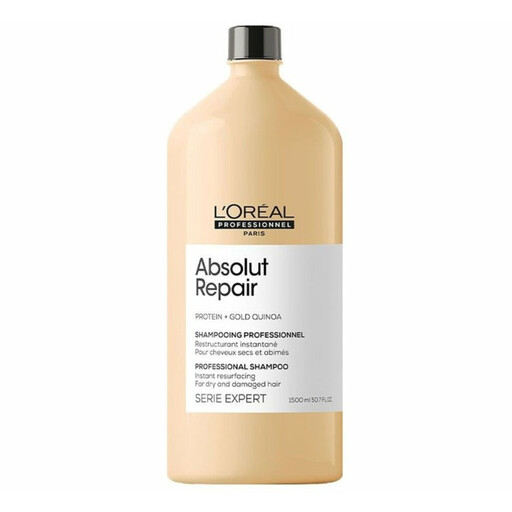
Why this fits the profile: The salon-size bottle is designed for long-term use in families or professional settings.
The size and target audience are clearly stated, so you can judge in advance whether a large bottle is practical for your use.
1,500 ml size; the product description mentions golden quinoa and proteins and positions the shampoo for damaged and chemically treated hair.
We’ve put together a full, up-to-date list of products that fully meet these strict selection criteria and comply with current European safety regulations.
Shampoo can cleanse hair and make it feel temporarily smoother, but split ends cannot be permanently fused back together. Combine a suitable shampoo with conditioner, limit heat styling and have damaged ends trimmed regularly.
That depends on your scalp and washing routine. If you wash daily, a milder formula may be more comfortable. If you have dry hair, don’t wash more often than necessary and apply conditioner mainly to the lengths. Use an anti-dandruff shampoo according to the label.
It can be, especially if you already know the product and several family members use it. Compare the price per 100 ml and check the shelf life after opening. With a new formula, a single bottle is usually wiser before you stock up.
