
Vandaag of morgen in huis

Kwaliteit gegarandeerd

Welkomstaanbiedingen ontgrendelen: GRATIS bezorging | Tot 80% korting | Gratis 30 dagen JoyPlus-proefperiode
Download de app
Dry, brittle or frizzy hair doesn’t automatically call for the most expensive bottle on the shelf. When it comes to shampoo for damaged hair, the choice really depends on the cause of the damage, the condition of your scalp and how often you wash your hair. A shampoo can make your hair feel cleaner, smoother or more manageable, but split ends won’t be permanently repaired by washing alone.
As Joybuy Product Recommendation Officer, I filter marketing claims through verifiable product information. That way, you avoid paying for a promise that doesn’t suit your hair.
Words like repair, bond repair and anti-breakage sound convincing. In practice, they often describe a combination of cleansing, conditioning agents, oils, proteins or silicones. These can make the hair surface feel smoother and make combing easier. That’s quite different from permanently restoring a damaged hair fibre.
So look at the ingredients list and the product contents. Keratin, hydrolysed proteins, glycerine, panthenol, oils and conditioning polymers tell you far more than the front of the packaging.
A rich shampoo for dry hair can feel lovely on coarse lengths, but too heavy on fine hair. Conversely, a strong cleansing shampoo can leave the lengths feeling dry if your scalp already produces little sebum.
Think first about your main concern:
A sulphate-free shampoo can be a good choice if you prefer a gentler cleanse or find your scalp feels tight quickly. However, sulphates aren’t necessarily bad: they clean effectively and can be handy for an oily scalp or lots of styling products.
Look at the whole picture: cleansing agents, fragrances, silicones, proteins, oils, pH information and how often you want to wash.
Don’t just look at “for damaged hair” – also check the first ingredients. Substances like sodium laureth sulphate or sodium C14-16 olefin sulphonate are strong cleansers. Amino acid-based or milder surfactants are often chosen when you want a gentler wash feel.
With a shampoo for thinning hair or a sensitive scalp, it’s wise to be extra critical of fragrances and cooling ingredients like menthol. Stop if irritation occurs and rinse thoroughly with water.
Keratin and hydrolysed proteins can temporarily give damaged or porous hair a firmer feel. Glycerine, panthenol and certain oils mainly support a soft, cared-for feeling. Silicones such as dimethicone or amodimethicone can help with smoothness and less friction when combing, but they don’t suit every hair care routine.
A bond repair shampoo usually contains a specific technology or active ingredient that, according to the brand’s description, targets bonds within the hair fibre. Treat such a claim as product information from the brand, not a guaranteed result for every hair type.
A 250 or 300 ml bottle is handy for trying something out first. For families, hairdressers or salons, a 1,000 to 1,500 ml pack can be more practical. So compare the price per 100 ml, not just per bottle.
A large pack is only good value if the shampoo suits your hair and will be used within its shelf life or recommended usage period. Store the bottle as directed on the packaging and check the ingredients with every purchase, because formulas can change.
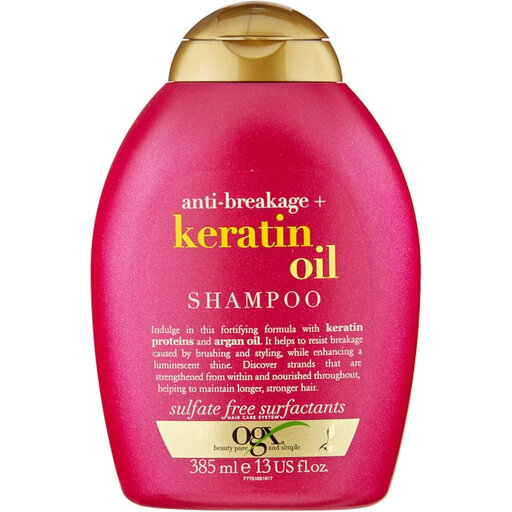
Why this suits the profile: A straightforward 385 ml bottle for anyone wanting to try a repairing shampoo without committing to a salon size straight away. The product description mentions keratin and argan oil as nourishing ingredients.
The ingredients list clearly shows the formula contains both cleansing agents and keratin, argan oil and conditioning ingredients. This lets you compare the marketing text with the actual composition.
385 ml content; keratin and argan oil listed; suitable as an entry-level choice for dry or brittle hair.
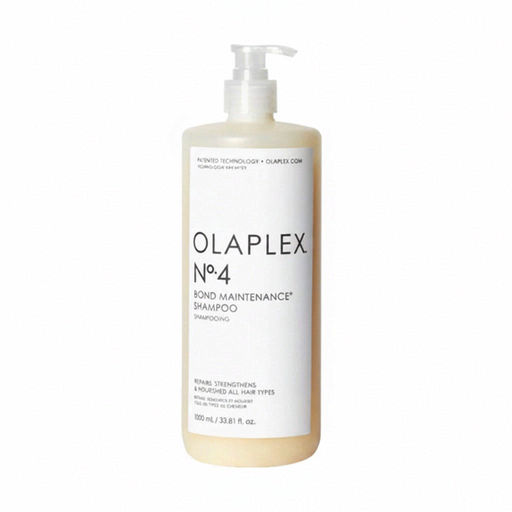
Why this suits the profile: The large size suits intensive home use, families and salons. According to the product description, this shampoo is colour-safe and sulphate-free.
The product information specifies both the 1,000 ml content and the properties of being colour-safe and sulphate-free. This makes the choice more verifiable than a general claim about “repair”.
1,000 ml content; sulphate-free formula according to the product description; suitable for coloured hair as per the stated specifications.
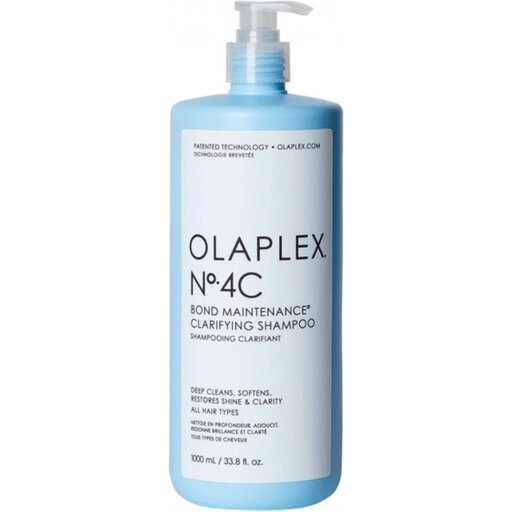
Why this suits the profile: This clarifying shampoo is designed to remove product residue, minerals and excess oil. That makes it suitable for users with lots of styling products or a scalp that gets greasy quickly.
Its function is clearly defined: deep cleansing, not daily heavy nourishment. So use it as directed on the packaging and alternate with a gentler shampoo for damaged lengths if needed.
1,000 ml content; designed for build-up, minerals and excess oil; product description states it can be used on all hair types.
We’ve put together a full, up-to-date list of products that fully meet these strict selection criteria and comply with current European safety regulations.
Wet your hair thoroughly and use a small amount. Massage mainly the scalp; the lengths are usually cleansed enough as the lather runs through them. Rinse carefully and apply conditioner to the mid-lengths and ends.
Don’t automatically wash your hair more often just because it feels dry or damaged. An oily scalp may need a different frequency to dry lengths. Only use a clarifying shampoo when you’re dealing with build-up from styling products, hard water or lots of silicones. Don’t combine several strong cleansing products without a clear reason.
Look for a formula with nourishing ingredients such as keratin, hydrolysed proteins, glycerine, panthenol or oils. The right choice depends on your scalp and your hair’s porosity. Also use a conditioner and limit heat to reduce friction and further drying.
That varies depending on your scalp, hair texture and washing routine. A mild shampoo can be used regularly by many people. A clarifying shampoo is more of an additional cleanse for build-up. Always follow the usage instructions on the packaging and adjust the frequency if your hair feels stiff, heavy or irritated.
No. The word “professional” mainly says something about positioning, packaging or the channel a product is sold through. Check the contents, ingredients, suitability for coloured hair, sulphate information and price per 100 ml. A salon size of 1,000 ml or 1,500 ml is only worthwhile if you use the shampoo regularly or share it with several people.
