
Vandaag of morgen in huis

Kwaliteit gegarandeerd

Welkomstaanbiedingen ontgrendelen: GRATIS bezorging | Tot 80% korting | Gratis 30 dagen JoyPlus-proefperiode
Download de app
Damaged hair often feels dry, rough or brittle. However, not every shampoo labelled “repair”, “keratin” or “bonding” is automatically right for your hair. The right choice depends on the cause of the damage, the condition of your scalp and how often you wash your hair.
As Joybuy Product Recommendation Officer, I filter the key product information so you can compare marketing claims against verifiable data on the label and in the product description.
Terms like “intensive repair” or “less breakage” sound appealing, but always check which ingredients and usage conditions go with them. According to some brands’ own research, results may only apply when used with a conditioner or a complete product range. So don’t take such a claim as a guaranteed outcome for every hair type.
A shampoo primarily cleanses the scalp and hair. Conditioners, masks and leave-in products stay on the hair longer and can therefore play a different nourishing role.
Dry lengths can go hand in hand with an oilier scalp. A rich shampoo for dry hair can then feel heavy, while a strongly cleansing formula may be less comfortable on a sensitive scalp. So look separately at your scalp type and lengths.
For flakes or dandruff, a standard repairing shampoo is not the same as an anti-dandruff shampoo. In that case, choose a formula with a specific ingredient such as piroctone olamine and follow the usage instructions on the packaging.
Compare the price per 100 ml, not just the total price. A shampoo value pack of six bottles is practical if you use the same product for a longer period. For a first purchase, a 250 ml or 300 ml bottle is often wiser, so you can first assess how your hair and scalp react.
Use this breakdown as a starting point:
According to brands’ own research, ingredients such as keratin, argan oil, caffeine or ceramides can contribute to a certain cosmetic effect. Treat this as product information, not as a guaranteed result for every user.
A sulphate-free shampoo is not automatically milder, and a shampoo with sulphates is not automatically unsuitable. Sulphates cleanse effectively, but some people prefer a different cleansing base. Check the full ingredients list if you have a sensitive scalp or want to avoid certain substances.
Silicones can make hair feel smoother. If you prefer to avoid them, look for a silicone-free shampoo. Also pay attention to fragrance and fragrance allergens such as limonene or linalool. The ingredients list on the packaging is definitive, as formulas can change.
A 1,500 ml bottle, such as a professional shampoo, is handy for a large household, long hair or frequent use. Do check whether a pump is included. With the L’Oréal Professionnel Pro Longer 1,500 ml bottle, for example, it states that the pump is not included.
Wash mainly the scalp and let the lather run through the lengths. Use lukewarm water, rinse thoroughly and combine a repairing shampoo with conditioner if needed. If irritation occurs, stop using and rinse the product out.
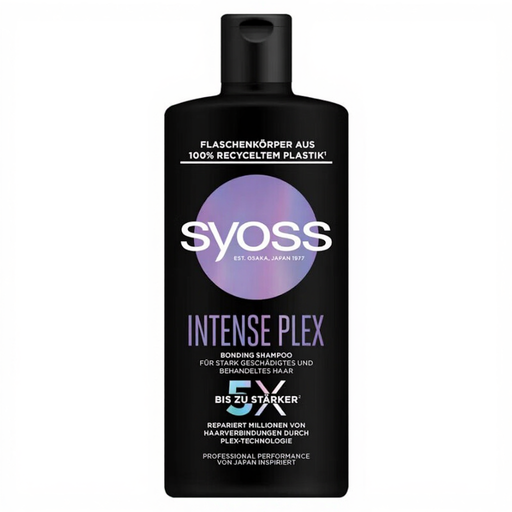
Why this fits the profile: A 440 ml bottle offers a practical amount to try out a repairing shampoo without buying a multi-pack straight away.
The product description calls it a regular shampoo for all hair types. So don’t expect a specialised treatment; also check the ingredients list with sodium laureth sulphate and hydrolysed keratin.
440 ml volume; formula contains hydrolysed keratin and a conditioning silicone ingredient.
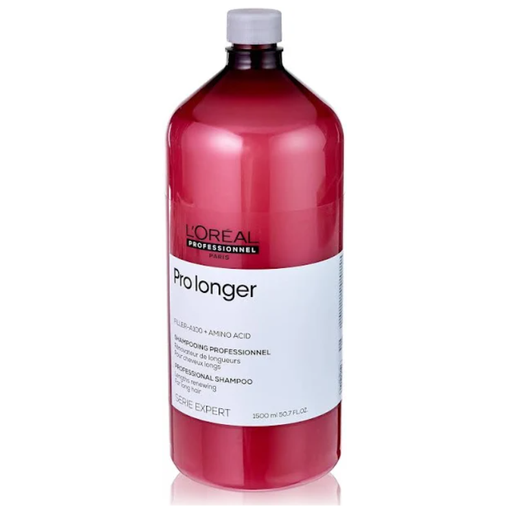
Why this fits the profile: The salon-sized bottle is aimed at long lengths and fine, fragile ends. That suits anyone who regularly uses a professional shampoo.
The volume and intended use are clearly stated. Bear in mind that the formula is not sulphate-free and not silicone-free, and that the pump is not included.
1,500 ml volume; contains filler A-100 and amino acids according to the product description; designed for lengths and ends.
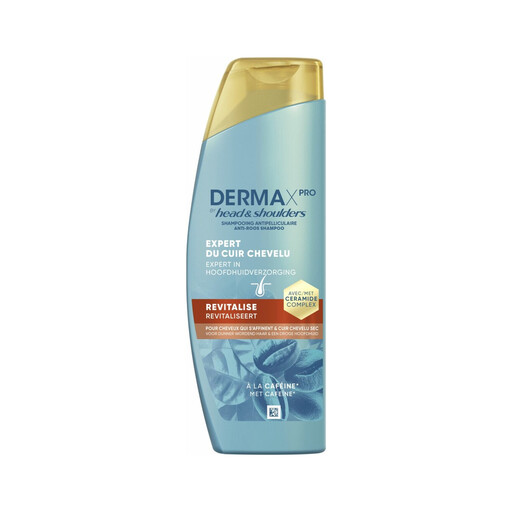
Why this fits the profile: This choice targets a dry, flaky scalp and combines scalp care with hair cleansing.
The product is clearly described as an anti-dandruff shampoo. The formula contains piroctone olamine; use according to the label and stop if irritation occurs.
250 ml volume; contains piroctone olamine and caffeine according to the ingredients list; dermatologically tested according to the product data.
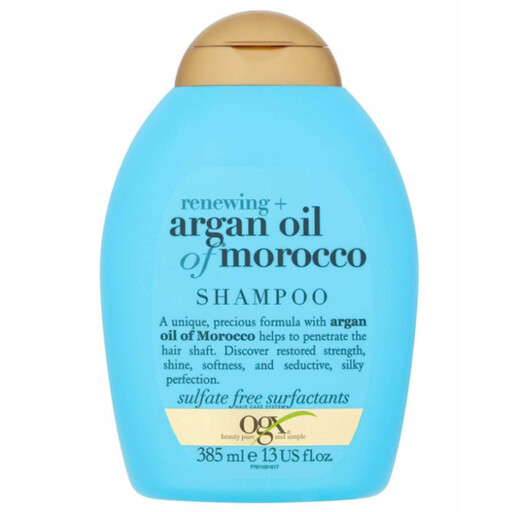
Why this fits the profile: The product description focuses on dry, unmanageable hair and mentions argan oil as part of the formula.
The choice is based on the described purpose and ingredient, not just the term “repair”. Check the current packaging for the full ingredients list.
385 ml volume; contains argan oil according to the product description; designed to make dry and frizzy hair feel softer and more manageable.
We’ve put together a full, up-to-date list of products that fully meet these strict selection criteria and comply with current European safety regulations.
Look at the specific purpose, the ingredients and your scalp type. A shampoo with keratin, proteins, glycerine or oil can suit dry lengths. Also use conditioner or a mask if your hair needs extra care. The current ingredients list on the packaging remains definitive.
That depends on your scalp and daily routine. An oilier scalp may need washing more often than dry lengths. Apply shampoo mainly to the scalp and massage gently. Wash again when the hair is visibly greasy or dirty, but avoid unnecessary harsh rubbing.
That can only be determined by comparing the price per 100 ml. A multi-pack, such as six 440 ml bottles, can be handy for regular use. Also check the shelf life and opening information on the packaging. Don’t buy a large stock if you don’t yet know whether the formula suits your hair.
