
Vandaag of morgen in huis

Kwaliteit gegarandeerd

Welkomstaanbiedingen ontgrendelen: GRATIS bezorging | Tot 80% korting | Gratis 30 dagen JoyPlus-proefperiode
Download de app
Damaged hair often feels dry, rough or lifeless, and it breaks more easily when washing, brushing or styling. A shampoo for damaged hair can help your hair feel smoother and reduce the appearance of frizz and dryness. However, the right choice depends on the cause of the problem: heat, colouring, bleaching, fine hair, an oily scalp or dandruff all call for different formulas.
Terms like “repair”, “bond repair” and “up to 90% less hair breakage” sound convincing. Yet this doesn’t mean damaged hair is fully restored biologically. Hair is made of keratin and is not living tissue. A product can make the hair surface feel smoother or, according to the product description, help reduce breakage.
So check:
For example, according to the product description for Syoss, the claim of up to 90% less hair breakage is linked to use in combination with the Syoss Repair Conditioner. So don’t see this as an independently guaranteed result from the shampoo alone.
A sulphate-free shampoo can be pleasant for people with a sensitive scalp, dry hair or coloured hair. But sulphates are cleansing ingredients and aren’t necessarily unsuitable. If you use a lot of styling products or have an oily scalp, you may actually need a more thorough cleanse.
Look at your own situation, not just the label. Olaplex N°4 Bond Maintenance Shampoo is described as sulphate-free according to the product information. OGX Bond Protein Repair is formulated without sulphate-like surfactants, according to the brand description. This makes these products interesting for certain hair routines, but it doesn’t say anything about which product is right for everyone.
Oils, silicones, proteins and intensive conditioning ingredients can make dry hair feel smoother. With fine hair, however, a heavy formula can lead to less volume or a quicker greasy root area. For fine hair, use a small amount and apply conditioning products mainly to the lengths and ends.
Check the ingredients list on the packaging. Common cleansers include Sodium Laureth Sulfate, Sodium C14-16 Olefin Sulfonate, glucosides and amino acid or sulphosuccinate-based cleansers. How mild a formula is depends on the complete formulation and the combination of ingredients.
Hydrolyzed Keratin, hydrolysed wheat proteins and amino acids are common in a repairing shampoo. They can temporarily give hair more body and a smoother feel. A bond repair shampoo, according to the product description, targets bonds within the hair fibre, but always check the official ingredients list and usage instructions.
A keratin shampoo often suits dry, frizzy or brittle hair. If your hair becomes stiff after regular use of protein-rich products, alternate with a hydrating shampoo that doesn’t focus on proteins.
A large bottle isn’t automatically better value. Compare the price per 100 ml and check the shelf life after opening. A shampoo value pack, such as a pack of six bottles, makes sense if several family members use the same product or if you have a fixed routine. For a new formula, a 250 to 400 ml bottle is often more practical to test suitability first.
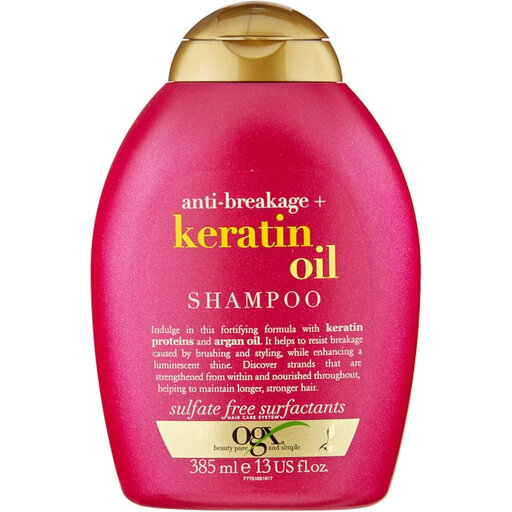
Why this fits the profile: The combination of hydrolysed keratin and argan oil suits dry, frizzy or brittle hair. The 385 ml size is manageable for regular home use.
The product information mentions specific ingredients rather than just a general repair claim. Do check for fragrance and preservatives in the full ingredients list.
385 ml volume; keratin and argan oil listed in the formula; designed for smoother, stronger-feeling hair.
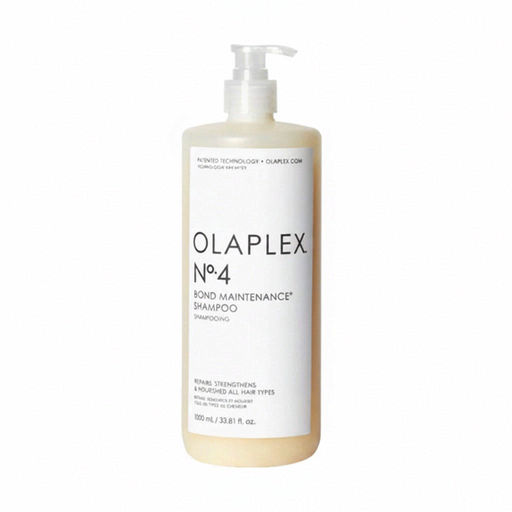
Why this fits the profile: The large bottle suits a fixed hair care routine, a multi-user household or professional use. According to the product information, the shampoo is sulphate-free and suitable for coloured hair.
The product description mentions the cleansing base and the bond repair ingredient bis-aminopropyl diglycol dimaleate. Compare the large volume with your actual usage.
1000 ml volume; sulphate-free according to the product information; colour-safe according to the brand description.
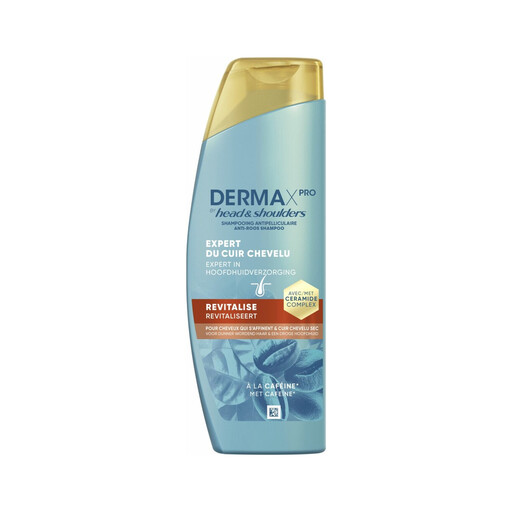
Why this fits the profile: This anti-dandruff shampoo targets both hair and scalp and contains piroctone olamine, caffeine and a ceramide complex, according to the ingredients list.
The product details clearly state that the formula is not sulphate-free, fragrance-free or hypoallergenic. This helps you make a realistic choice for your scalp.
250 ml volume; piroctone olamine in the formula; dermatologically tested according to the product details.
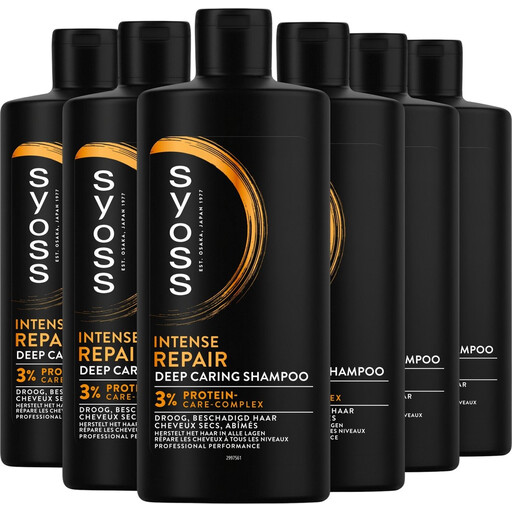
Why this fits the profile: The pack contains six 440 ml bottles, making it suitable for regular use in a family or salon setting. The formula is designed for dry hair, according to the product details.
The total volume and number of bottles are clear upfront: 2640 ml divided across six dispensers. The claim about hair breakage is linked to the conditioner, according to the description.
2640 ml total; six 440 ml bottles; paraben-free and pH-neutral according to the product details.
We’ve put together a full, up-to-date list of products that fully meet these strict selection criteria and comply with current European safety regulations.
Wet your hair thoroughly and use a small amount. Massage mainly the scalp; the lather that runs down the lengths is often enough for the rest of your hair. Rinse thoroughly and use a conditioner on the lengths if you have dry or damaged hair.
Wash your hair again if there’s a lot of oil, dry shampoo or styling product present. Don’t automatically use a clarifying shampoo, such as a deep-cleansing version, with every wash. Cleansing too thoroughly too often can leave hair feeling dry.
For persistent dandruff, itching, redness or noticeable hair loss, shampoo is not a substitute for personal advice from a doctor or pharmacist. Stop if irritation occurs and rinse immediately with water if it comes into contact with your eyes.
Look for a formula with conditioning ingredients like glycerine, oils, keratin or hydrolysed proteins. A shampoo for dry hair should not only cleanse but also rinse out comfortably without leaving a tight feeling. Combine it with a conditioner where possible and limit heat from your hairdryer or straighteners.
No. A shampoo for hair breakage is a broad product description. A bond repair shampoo refers more specifically to ingredients and technologies that, according to the brand, target bonds within the hair fibre. Check the ingredients list and treat claims as brand statements, not guaranteed results.
That depends on the volume, how often you wash and how much you use each time. A 250 ml bottle can be suitable for occasional use, while 385 to 440 ml is more practical for daily use. For a shampoo value pack, calculate the price per 100 ml and check the shelf life after opening.
