
Vandaag of morgen in huis

Kwaliteit gegarandeerd

Welkomstaanbiedingen ontgrendelen: GRATIS bezorging | Tot 80% korting | Gratis 30 dagen JoyPlus-proefperiode
Download de app
Damaged hair can feel dry, frizzy, dull or brittle. But not every shampoo for damaged hair is right for every situation. A formula for dry lengths, for example, may not be the best choice if you need an anti-dandruff shampoo for a sensitive or flaky scalp.
Marketing claims can make it difficult to compare products fairly. Focus instead on the ingredients list, the amount in the bottle and the hair concern the shampoo is designed for.
Words such as “repair”, “bonding” and “recovery” usually refer to a cosmetic effect: your hair may feel smoother, softer or easier to comb. Shampoo cannot permanently repair split ends. Regular trims and reducing heat styling or chemical treatments remain important.
Read claims about reduced breakage carefully, too. According to Syoss’s product description, for example, the stated reduction in hair breakage applies when the shampoo is used with the matching conditioner. So don’t automatically assume this result comes from the shampoo alone.
A professional shampoo may come in a large salon-sized bottle, but that doesn’t automatically mean the formula is right for your hair. Always check:
“Natural” is no guarantee of a gentle formula, either. Fragrance and certain preservatives may not suit everyone.
If you’re looking for a sulphate-free shampoo, check the full ingredients list. Look out for names such as sodium laureth sulfate, sodium lauryl sulfate and ammonium lauryl sulfate. Product information can sometimes be contradictory. For example, Shiseido Tsubaki is described as having a sulphate-free formula, while the listed ingredients include sodium lauryl ether sulfate. So check the packaging and the latest INCI list before buying.
Dry lengths often benefit from a shampoo for dry hair, a moisturising shampoo or a formula with conditioning ingredients. An oily or flaky scalp may need a targeted anti-dandruff shampoo. A rich formula can leave fine hair feeling weighed down, so choose a lightweight option such as a shampoo for fine hair.
If your hair is visibly thinning, take care not to confuse cosmetic claims with medical treatment. Shampoo can cleanse your hair and make it feel temporarily fuller, but it is no substitute for advice from a doctor or dermatologist.
Cleansing agents partly determine how much a shampoo lathers and how strongly it removes oil. Conditioning ingredients such as glycerine, oils, panthenol, proteins or silicones can leave your hair feeling smoother and easier to manage. Silicones aren’t automatically a bad thing; they can help with combability and protect hair from friction.
If you’re looking for an anti-breakage shampoo or a strengthening shampoo, check whether the formula contains amino acids, proteins or bond-care ingredients. Don’t expect permanent repair of the hair fibre. Instead, focus on how your hair feels after use and how the shampoo works with your conditioner.
A 1.500 ml bottle may seem like good value, but it takes up more space and may not come with a convenient pump. A small 100 or 250 ml bottle is more practical for travelling or trying a product first. If you wash your hair daily, fragrance, lather, rinsability and any fragrance allergy may matter more than a prominent claim on the front of the bottle.
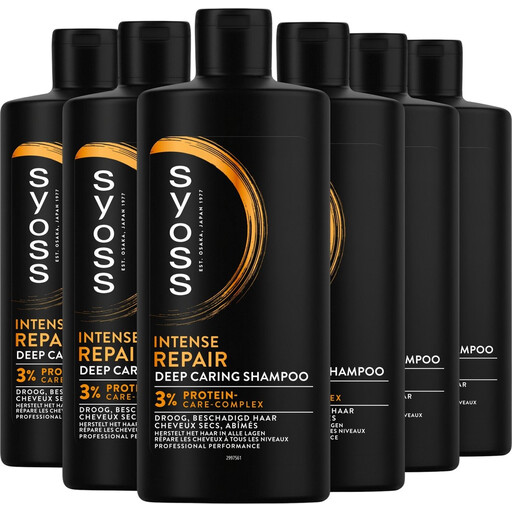
Why it suits this profile: This pack contains six 440 ml bottles, making it a good fit for households that regularly use the same shampoo.
The total volume and number of bottles are clearly specified. The shampoo isn’t sulphate-free, so you can decide in advance whether it suits your routine.
6 x 440 ml, pH-neutral according to the product specifications, with amino acids listed among the ingredients.
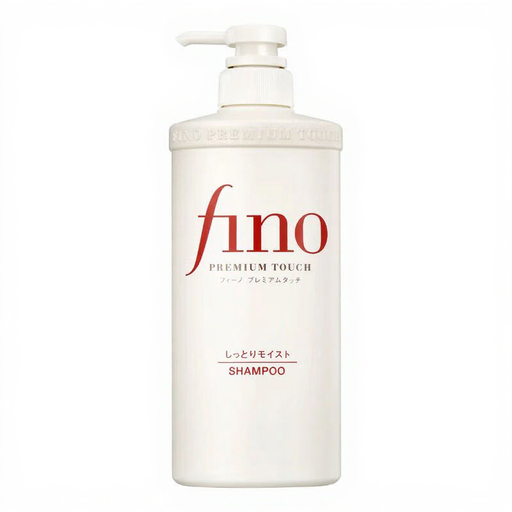
Why it suits this profile: This Japanese shampoo is designed for those who prioritise softness, hydration and care for damaged hair.
The product description names specific conditioning ingredients, including royal jelly extract, PCA and squalane. Check the current packaging for the full ingredients list.
550 ml bottle with a pump dispenser, and a formula described in the product information as hydrating, strengthening and conditioning.
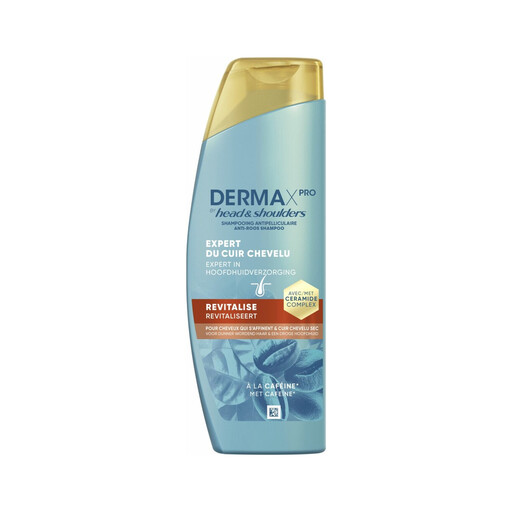
Why it suits this profile: Designed for people dealing with damaged or thinning hair as well as a flaky scalp.
The product specifications list piroctone olamine for anti-dandruff care and clearly state that the formula isn’t sulphate-free.
250 ml bottle, caffeine and a ceramide complex in the listed formula, plus a dermatologically tested product specification.
We’ve compiled a complete, up-to-date list of products that meet these strict selection criteria and the applicable European safety requirements.
If irritation, itching or flaking persists, stop using the product. See a doctor if your symptoms continue.
It depends on your scalp, hair texture and styling routine. Some people like to wash their hair every day; others wash it a few times a week. Choose a gentler formula if you have a dry scalp, and don’t use more shampoo than you need.
Shampoo can leave your hair smoother and easier to manage, which may reduce friction while combing. Claims about breakage only apply under the conditions specified by the manufacturer. Conditioner, gentle drying and using less heat are usually just as important.
Check the expiry date or the open-jar symbol on the packaging. The period after opening can vary between products, for example 6M or 12M. Keep the bottle closed, somewhere dry and out of direct sunlight.
