
Same-day & Next-day Delivery

Quality Guaranteed

Unlock Your Welcome Offers: FREE Delivery | Up to 80% OFF | Free 30-day JoyPlus trial
Download the APP
Dry, frizzy or fragile hair needs more than simply “a shampoo that adds shine”. Anyone looking for shampoo for damaged hair will come across a host of terms: keratin, bond repair, proteins, oils and “professional” care. These words only mean something when you consider your hair type, washing routine and the complete ingredients list.
As a Joybuy Product Recommendation Officer, I filter product information based on practical considerations. This helps you see which features are relevant and which claims are best treated with a degree of caution.
A shampoo can temporarily make the hair surface feel smoother and make combing easier. However, it cannot turn a split end back into a single, intact strand. If you have obvious split ends, trimming remains the direct solution. A shampoo for hair breakage can still be part of a routine that causes less friction and fewer tangles.
Keratin, argan oil, proteins and silicones each have a different function. A keratin shampoo can make hair feel stronger or smoother, while a nourishing formula with oils may be particularly suitable for dry, coarse hair. If you have fine hair, however, you may find a rich formula too heavy.
Also pay attention to fragrance and preservatives. If you have a sensitive scalp, a product containing a lot of fragrance may feel less comfortable. Stop using the product if irritation occurs and rinse thoroughly if it gets into your eyes.
A 1,000 or 1,500 ml bottle may seem attractively priced per millilitre, but it is mainly practical when several people use the same formula. Also check the expiry and usage information on the packaging. A multipack only makes sense if you can use the product within the recommended period.
Look at the first ingredients on the list. These are usually the main cleansing agents. Formulas containing sulphates can provide powerful cleansing, but they may not be comfortable for everyone when washing daily or if you have a dry scalp. Sulphate-free alternatives use different cleansing agents and may provide a gentler washing experience.
If you wash your hair frequently, look for a balance between cleansing and conditioning. If you have an oily scalp, an overly rich shampoo for dry hair may make your hair feel heavy more quickly. With dry or chemically treated hair, harsh cleansing may instead make it feel even coarser.
Pay particular attention to:
If you have coloured hair, you may also want to look for a shampoo for coloured hair that is described as colour-safe in the product information. Always check the current packaging, as formulas can change.
Do not compare bottle prices alone. Divide the price by the number of millilitres and consider how often you wash your hair. A 250 ml bottle is a convenient way to try a product first. A 400 ml bottle or value pack may be more suitable for daily use or for a household with several users.
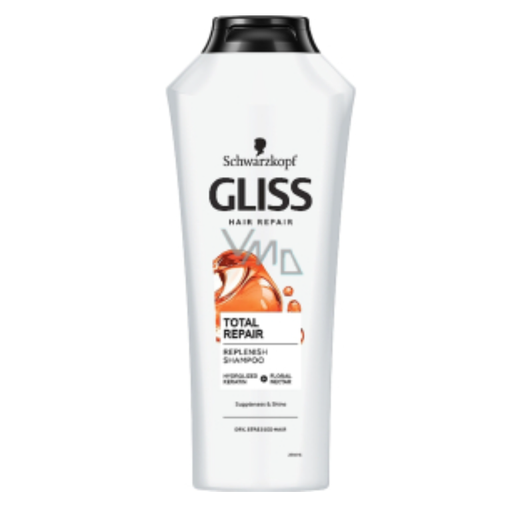
Why it suits this profile: The 250 ml bottle is a manageable choice if you want to assess how a repairing shampoo feels on dry or damaged hair before committing to a larger size.
The product description mentions hydrolysed keratin and active ingredients, but check the full formulation yourself and do not expect permanent repair of split ends.
250 ml volume; hydrolysed keratin in the ingredients list; intended for dry and damaged hair according to the product information.
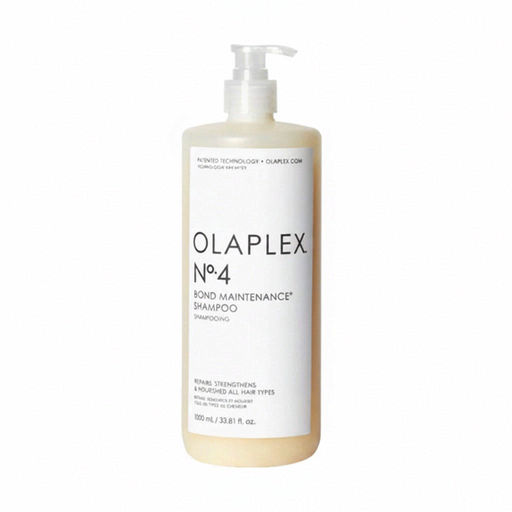
Why it suits this profile: The large salon-size bottle is ideal for people who wash their hair frequently, have long hair or share the same bond repair shampoo with others.
The product information states that the formula is sulphate-free and colour-safe. Check the packaging when buying and only choose the larger size if you can use it up conveniently.
1,000 ml volume; sulphate-free according to the product description; contains Bis-Aminopropyl Diglycol Dimaleate.
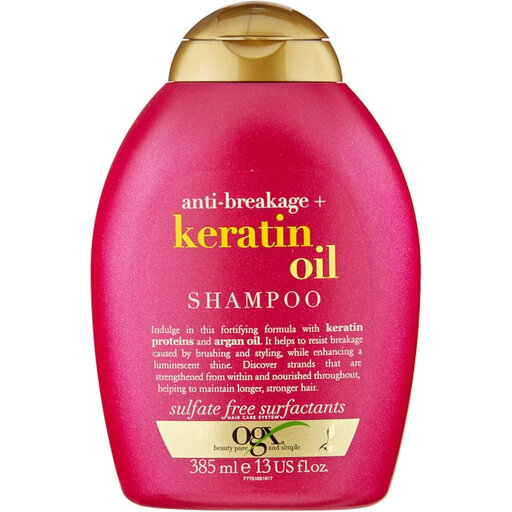
Why it suits this profile: A practical option for dry, frizzy or weakened hair if you are looking for a formula with keratin and argan oil.
According to OGX, the keratin and argan oil formula helps reduce breakage and frizz. These are brand claims, so also consider whether the cleansing agents and fragrance suit your hair and scalp.
385 ml volume; hydrolysed keratin and argan oil in the ingredients list; dimethicone and amodimethicone for a conditioning effect.
Thoroughly wet your hair and use a small amount of shampoo. Massage mainly into the scalp and allow the lather to run through the lengths. Vigorous rubbing over the ends can cause additional friction. Rinse thoroughly and follow with a conditioner, especially if you have long, coloured or chemically treated hair.
A nourishing shampoo is not automatically suitable for every wash. If your hair becomes limp or greasy quickly, consider alternating it with a lighter formula. If you have ongoing scalp problems, do not use shampoo as a substitute for professional advice.
We have compiled a complete, up-to-date list of products that fully meet these strict selection criteria and the applicable European safety regulations.
Look for a formula containing conditioning ingredients such as oils, glycerine, panthenol or hydrolysed keratin. If you also have an oily scalp, do not automatically choose the richest option. Your scalp and lengths may have different needs.
This depends on sebum production, styling and sporting activities. Wash your hair when your scalp feels dirty or greasy and use lukewarm water. If you wash daily, a gentler cleanser may feel more comfortable. Always follow the usage instructions on the packaging.
A shampoo can make hair feel smoother and improve manageability. According to brand claims, a formula may also help limit breakage, but the effect varies from person to person. Split ends cannot be permanently repaired; have them trimmed if necessary and limit heat, vigorous brushing and friction.
