
Vandaag of morgen in huis

Kwaliteit gegarandeerd
Download de app
Categorieën

Does your hair feel dry, brittle, or are you noticing more split ends? The search for an effective shampoo for damaged hair can be overwhelming. With so many options, it's difficult to determine which product will truly work for your needs. This guide provides objective criteria and concrete product recommendations to help you make an informed decision. We focus on product specifications and what a shampoo can do for hair that needs extra care.
Before making a choice, it's helpful to understand the key factors in repairing damaged hair. Pay attention to the following points when comparing products.
The ingredient list (INCI) on the packaging provides the most objective information. For damaged hair, certain components are especially relevant:
Many shampoos contain sulfates (like SLS or SLES) for their foaming and cleansing action. However, these can sometimes be too harsh for dry and damaged hair, stripping away natural oils. A sulfate-free shampoo provides a gentler cleanse.
Silicones coat the hair to create a smooth, shiny effect. While this can be beneficial, some silicones can cause build-up over time, leaving hair feeling heavy and dull. Water-soluble silicones rinse out more easily. The choice to go sulfate- and silicone-free is a personal one and depends on how your hair responds.
The cause of the damage is also important. Hair damaged by chemical treatments (colouring, perms) often benefits from a strengthening shampoo with proteins. Hair damaged by heat from styling tools primarily needs hydration.
Based on product specifications and intended effects, we have selected several shampoos designed to care for damaged hair.
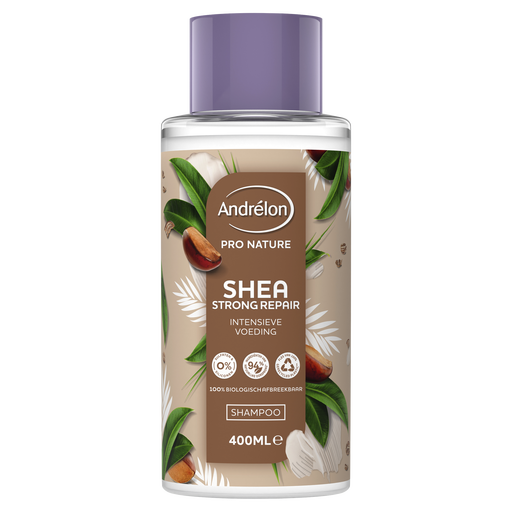
Why This Product This shampoo from Andrelon focuses on intensive nourishment and repair with a formula that is 94% derived from natural ingredients. The spotlight is on shea butter, a well-known ingredient for its nourishing properties. The formula is free from sulfates and silicones, making it a gentle option for sensitive or very dry hair.
Benefits
Who It's For This product is an excellent choice for users seeking a gentle, nourishing shampoo with natural ingredients. It is particularly suitable for those with dry and damaged hair who prefer sulfate- and silicone-free products.
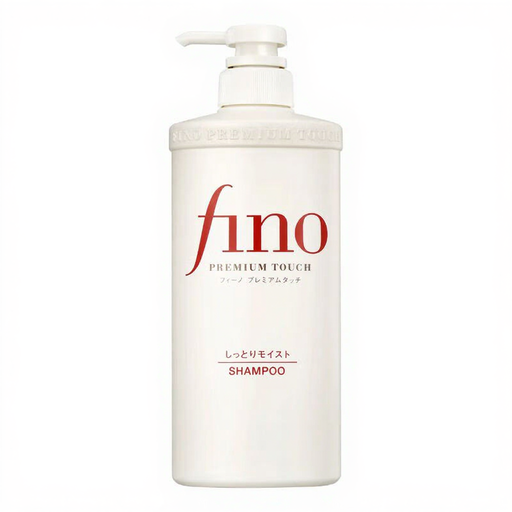
Why This Product The Shiseido fino Premium Touch shampoo is a professional-grade shampoo for damaged hair that targets three key areas: hydration, strengthening, and repair. Its formula contains specific ingredients like Royal Jelly EX and Trehalose for deep hydration, and PCA with Glutamate to fortify hair from the root.
Benefits
Who It's For This shampoo is designed for those seeking an all-in-one solution for hair damaged by various factors. It is suitable for all hair types and focuses on restoring a healthy foundation, shine, and strength.
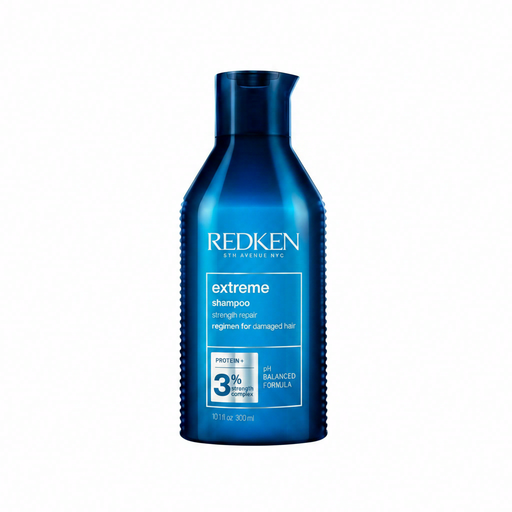
Why This Product Redken Extreme is a strengthening shampoo specifically formulated to combat hair breakage. The core of its formula is the RCT Protein Complex, which, according to Redken, targets the root, core, and tip of each hair strand. This provides a targeted approach for weakened and chemically treated hair.
Benefits
Who It's For This is a fitting choice for individuals whose primary concerns are hair breakage and split ends, often resulting from bleaching, colouring, or excessive heat styling. It is a product that focuses on reinforcing the hair's structure.
The products above offer targeted solutions for damaged hair. However, if you have specific requirements, such as a preference for cruelty-free products, it's worth exploring further. For an overview of brands committed to animal welfare, check out our selection of Cruelty-Free Hair Care.
1. How often should I use shampoo for damaged hair? The frequency depends on your hair type and the degree of damage. Generally, it is recommended not to wash damaged hair too often—about 2 to 3 times a week is ideal. This helps prevent the hair from drying out further. Consider using a dry shampoo between washes.
2. What is the difference between a repairing and a nourishing shampoo? Although the terms are often used interchangeably, there is a subtle difference. A repairing shampoo typically contains proteins (like keratin) to strengthen the hair structure and reduce breakage. A nourishing shampoo focuses more on hydration and replenishing lipids (fats) with ingredients like oils and butters, which makes the hair soft and supple. Many products for damaged hair combine both of these properties.
3. Can a shampoo actually repair split ends? A shampoo cannot literally 'glue' or permanently repair split ends; the only definitive solution is a haircut. However, what a good shampoo for split ends can do is hydrate and strengthen the hair to help prevent further splitting. Additionally, its ingredients can smooth the hair cuticles, making the ends temporarily appear healthier and less frizzy.