
Same-day & Next-day Delivery

Quality Guaranteed

Unlock Your Welcome Offers: FREE Delivery | Up to 80% OFF | Free 30-day JoyPlus trial
Download the APP
Dry, coarse, frizzy or dull hair does not automatically call for the most expensive bottle on the shelf. When choosing a shampoo for dry and damaged hair, the formula, your hair type and how often you wash it are the key considerations. A nourishing shampoo can leave hair feeling softer and easier to manage, but marketing terms do not tell the whole story.
A shampoo can leave the surface of the hair feeling smoother and make dry hair feel softer temporarily. However, damaged lengths are not literally restored to their original condition. Claims about “repair”, “strengthening” or reduced hair breakage should therefore be understood as cosmetic product claims. A brand’s own research may show that a formula delivers certain results, but this is not a general guarantee for every hair type.
Shampoo with argan oil is popular for dry and frizzy hair, but argan oil alone does not determine whether a product is right for you. Look at the full ingredients list as well. Cleansing agents, conditioners, oils, fragrances and preservatives work together. An oil shampoo can feel pleasant on coarse hair, but may sometimes feel too heavy on fine hair.
A shampoo multipack may seem like good value, but check the total volume first. Four 440 ml bottles contain 1,760 ml in total; six 250 ml bottles contain 1,500 ml. Compare the price per 100 ml, rather than just the price of the pack. Also check the expiry date and after-opening information on the label. This information may vary from one product to another.
For dry or damaged hair, ingredients such as oils, glycerine, shea butter, keratin and conditioning polymers are common choices. They can leave hair feeling softer, smoother or shinier. If frizz is your main concern, look for a formula containing oils and conditioning ingredients. Fine hair or hair that becomes greasy quickly will usually benefit more from a lighter formula.
Bear in mind that “shiny hair” is a cosmetic description. It does not mean that a shampoo permanently changes the structure of your hair.
Some shampoos use sulphate-based cleansers, while others are described as sulphate-free in the product information. This difference may be relevant if you are looking for gentler cleansing or notice that your hair feels dry quickly. However, a sulphate-free formula is not automatically suitable for everyone.
Silicones can make hair feel smoother and easier to comb. If you specifically want to choose a silicone-free product, check this explicitly in the product information or ingredients list. For example, the Gliss Oil Nutritive range is described as silicone-free; always check the current packaging when buying.
Shampoo is mainly applied to the scalp and hair, then rinsed out. For dry lengths, using a conditioner or hair mask after washing may be more practical than applying more shampoo. Follow the instructions for use and avoid contact with the eyes. If irritation occurs, stop using the product and rinse the skin or eyes according to the safety information.
Also compare the size:
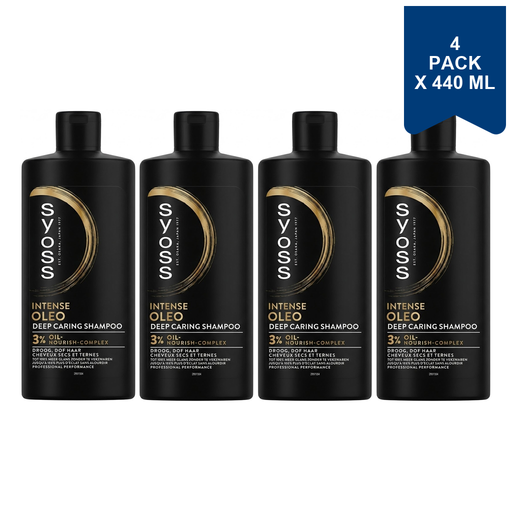
Why it suits this profile: This multipack contains four 440 ml bottles, making it suitable for households with an established shampoo routine for dry hair and those who like to stock up.
The total volume is clearly stated. The product description mentions oils and hydrolysed keratin for nourishment and a smoother feel; however, compare the price per 100 ml.
Four 440 ml packs; according to the product information, intended for dry and damaged hair.
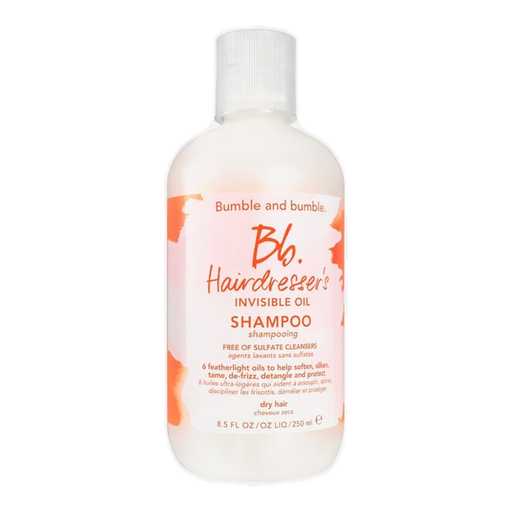
Why it suits this profile: This smaller size is ideal for anyone wanting to try a formula with multiple oils on hair that feels dry, coarse or prone to breakage.
The product description lists six nourishing oils and states that the shampoo does not necessarily need to create lots of lather. This prevents you from judging it on lather alone.
200 ml; with grape seed, almond, macadamia, coconut, argan and safflower oils, among others, according to the ingredients list.
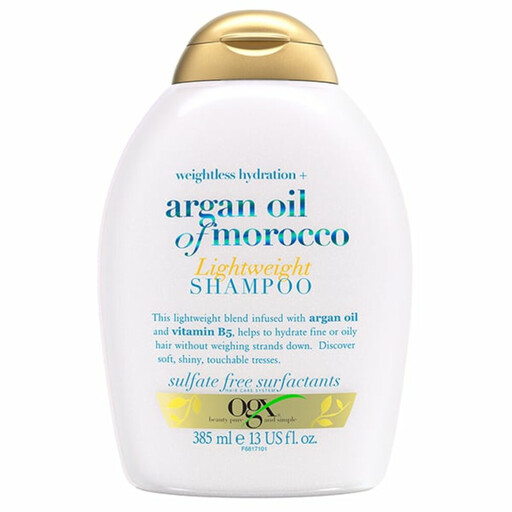
Why it suits this profile: The product information focuses on dry, dull and damaged hair and mentions a lightweight formula for those who want nourishment without a heavy feel.
This variant is described as sulphate-free. Check the current ingredients list if this is a decisive criterion for you.
385 ml; with argan oil; the product description mentions lightweight nourishment and using conditioner after washing.
We have put together a complete, up-to-date list of products that fully meet these strict selection criteria and the applicable European safety regulations.
Look for a nourishing shampoo containing oils, glycerine or conditioning ingredients. A shampoo for frizzy hair can leave the hair feeling smoother, but the result depends on the hair structure, humidity and additional care. A conditioner can help make the lengths easier to comb.
This depends on your scalp, hair length and daily routine. Wash your hair when your scalp needs it, and do not automatically use extra shampoo just because your hair feels dry. A small amount is often enough; follow the instructions on the packaging.
A multipack may offer better value per millilitre, but this is not guaranteed. Divide the total price by the total number of millilitres and compare this with individual bottles. Only buy a larger size if you already know the formula and its shelf life fits your expected usage.
