
Vandaag of morgen in huis

Kwaliteit gegarandeerd

Welkomstaanbiedingen ontgrendelen: GRATIS bezorging | Tot 80% korting | Gratis 30 dagen JoyPlus-proefperiode
Download de app
Dry, frizzy or brittle hair does not automatically call for the most expensive bottle. When choosing shampoo for damaged hair, it is the combination of cleansing, conditioning ingredients, frequency of use and your scalp type that matters most. A shampoo that works well for dry hair, for example, may feel too heavy on an oily scalp.
Words such as “bond repair”, “repair” and “anti-breakage” sound technical, but mean little on their own. Shampoo is rinsed out and can mainly affect how the hair feels, as well as its smoothness and manageability. Damaged hair fibres are not literally restored to their original condition.
That is why you should check the full product description and ingredients list. Claims such as reduced hair breakage or stronger hair are brand claims. A brand’s own research may have established such results under specific conditions; they are not a guarantee for every user.
A 1,000 or 1,500 ml bottle may seem good value, but it is not always convenient. Large packaging takes up more space and can be impractical when several members of the household have different hair or scalp needs. When comparing a shampoo value pack, look at the total volume and number of bottles, not just the price on the label.
Many people mainly apply shampoo to the lengths, even though the scalp is the most important area to cleanse. A nourishing shampoo for dry hair may feel heavy on an oily scalp. Conversely, a strongly cleansing or anti-dandruff shampoo may feel less comfortable on some dry scalps.
A sulphate-free shampoo does not contain traditional sulphates such as sodium laureth sulfate or sodium lauryl sulfate. This does not automatically mean that the product is gentler for everyone. Sulphate-free formulas can also cleanse powerfully, while some users actually prefer a thorough cleanse.
So, consider your routine:
A repairing shampoo often contains ingredients such as hydrolysed keratin, proteins, amino acids, glycerine, oils or conditioning polymers. These can make the hair feel smoother and easier to comb. Proteins are not suitable for everyone at high frequency; hair can feel stiff if the formula is not right for your hair type.
A bond repair shampoo often uses a technology or ingredient complex that, according to the brand, is designed to target bonds in the hair fibre. Assess this as a conditioning claim and look at the rest of the formula too. Conditioner or a hair mask remains useful for dry lengths and ends.
If you have flaking, an oily scalp or skin that becomes irritated easily, do not choose solely based on the word “repair”. An anti-dandruff shampoo, for example, may contain piroctone olamine. A shampoo for an oily scalp may contain ingredients that, according to the product description, help with excess sebum.
If you experience persistent itching, redness, pain or noticeable hair loss, cosmetic shampoo is not a substitute for personalised advice from a doctor or pharmacist. Claims about a shampoo for hair loss should always be read as brand claims, not medical promises.
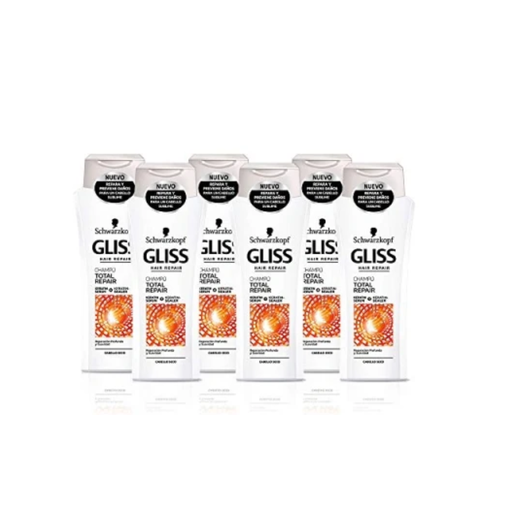
Why it suits this profile: Six 250 ml bottles are practical for regular use at home and make it easy to compare the price per bottle. The product description mentions hydrolysed keratin and flower extract.
The total quantity and number of packs are clearly stated. According to the product information, the claim about reduced hair breakage applies when used with conditioner and is therefore not a standalone result of the shampoo.
Value pack with 6 x 250 ml; designed for dry and damaged hair; conditioner recommended as a complement.
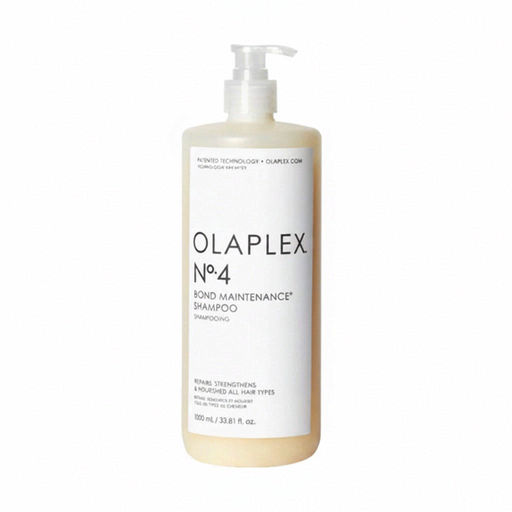
Why it suits this profile: The large salon-size bottle is suitable for users who wash their hair frequently, have long hair or work in a professional environment. The product information states that the formula is sulphate-free and colour-safe.
The formula and volume are described clearly. The term “bond maintenance” should be understood as product positioning; it does not replace conditioner or a hair mask.
1,000 ml volume; sulphate-free formula according to the product information; suitable for coloured and chemically treated hair.
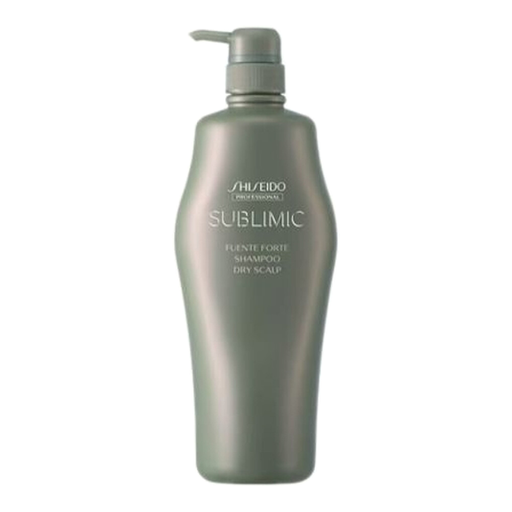
Why it suits this profile: The 1,000 ml bottle is suitable for long-term use. The product description focuses on a dry scalp and gentle cleansing.
This choice is based on the stated scalp type and volume, rather than general promises about hair repair. Before buying, check whether a large size is practical for your bathroom.
1,000 ml volume; designed for a dry scalp; instructions for applying to wet hair and massaging in.
We have put together a complete, up-to-date list of products that fully meet these strict selection criteria and the applicable European safety regulations.
Wash your hair as often as your scalp requires. Washing every day is not necessary for everyone, but it is not automatically wrong if your formula and scalp tolerate it well.
Look for a formula containing conditioning ingredients such as glycerine, oils, keratin or proteins. A nourishing shampoo can make dry hair feel smoother, but use conditioner for extra detangling. If your hair is chemically treated, also look for a colour-safe formula.
Shampoo can make the surface of the hair feel smoother and improve combability. Claims about reduced hair breakage depend on your complete routine and are often tested by brands in combination with conditioner or other products. Do not regard a shampoo for hair loss as a medical treatment.
That depends on the volume, how often you wash your hair and how much you use each time. A 250 ml bottle is useful for trying a product first; a 1,000 ml bottle or value pack is better suited to intensive use. Stop if irritation occurs, avoid contact with the eyes and always follow the warnings on the packaging.
