
Vandaag of morgen in huis

Kwaliteit gegarandeerd

Welkomstaanbiedingen ontgrendelen: GRATIS bezorging | Tot 80% korting | Gratis 30 dagen JoyPlus-proefperiode
Download de app
Dry, brittle or chemically treated hair needs a different approach from normal hair. Yet the products on offer can look very similar: formulas promise repair, shine and less breakage, without always making it clear what you’re actually buying. Use these checks to choose a shampoo for damaged hair with confidence.
A repairing shampoo can leave your hair feeling smoother and make it easier to comb. It won’t permanently mend split ends. So check what the product description actually says it does, such as moisturising, cleansing, caring for the hair’s surface or supporting the hair fibre.
A clarifying shampoo removes residue from styling products, minerals from hard water and other build-up. This can be useful, but an intensely cleansing formula isn’t automatically suitable for daily use. Only choose a shampoo for all hair types if its recommended frequency suits both your routine and your scalp.
A sulfate-free shampoo may suit coloured or dry hair, but other ingredients also affect how your hair feels. Check the full product information, stated pH, conditioning ingredients and intended use. A shampoo that helps reduce breakage also won’t replace conditioner or careful handling of heat and wet hair.
First, consider what the shampoo is designed to do:
A bond-building shampoo usually refers to ingredients or technologies that, according to the brand, support the structure of the hair. Treat this as a product claim, not a guaranteed result. For example, Olaplex’s product description says that No. 4 contains Bis-Aminopropyl Diglycol Dimaleate and is designed to care for the hair and help reduce breakage.
A shampoo for dry hair may also contain glycerine, panthenol, oils or other conditioning ingredients. Those ingredients alone don’t tell you how your hair will respond. Fine hair may feel weighed down more quickly by a rich formula, while thick or highly porous hair may need more conditioning.
A pH-neutral or slightly acidic formula is often chosen for gentle hair and scalp care, but always check the specific product details. Also look for:
A large bottle may seem like good value, but it’s only practical if the formula suits your hair and washing routine. Check the shelf-life information on the packaging too.
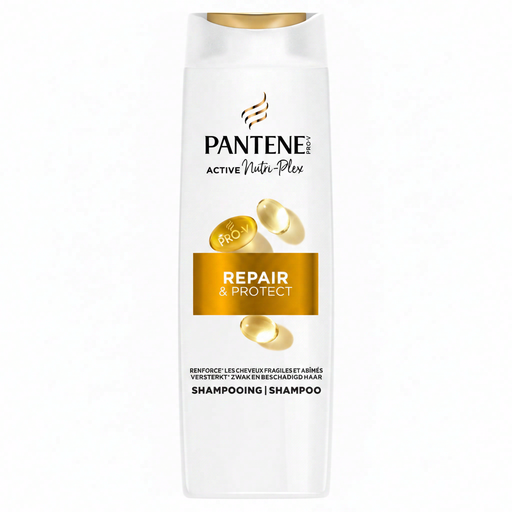
Why it suits this profile: An accessible option if you’re looking for a shampoo for dry or damaged hair to use regularly, followed by conditioner.
The product information describes its purpose as cleansing, conditioning and protecting. According to the product details, the formula contains sulfates, so it isn’t sulfate-free.
400 ml size, with Pro-V and Active Nutri-Plex according to the product description; free from silicones, mineral oils and colourants.
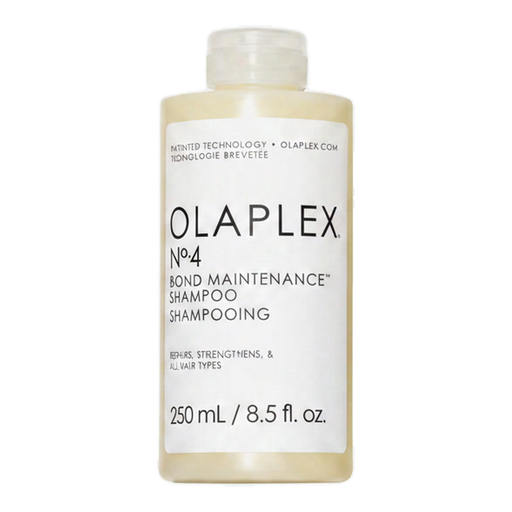
Why it suits this profile: A good fit for hair that’s regularly coloured, bleached or heat-styled, and when you’re looking for a concentrated formula.
According to the product description, this shampoo is sulfate-free, pH-neutral and suitable for coloured hair. This makes its specifications easy to check before you buy.
Olaplex says the formula is designed to help reduce breakage; it contains panthenol and glycerine and is vegan according to the product information.
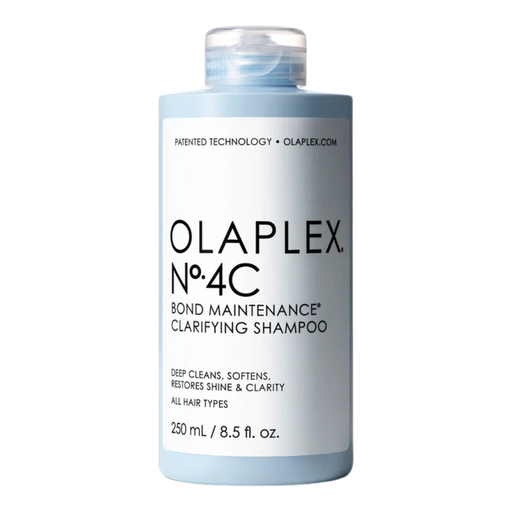
Why it suits this profile: For anyone who uses a lot of styling products, lives in a hard water area or wants to schedule an occasional deep cleanse.
The product description recommends weekly use, rather than presenting this shampoo as the go-to choice for every wash.
Sulfate-free and pH-neutral according to the product details; designed to remove styling product residue, minerals and environmental pollutants.
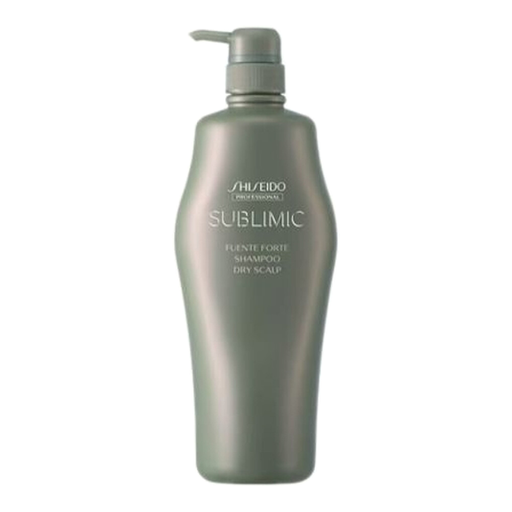
Why it suits this profile: A large bottle for anyone looking specifically for a shampoo for a dry scalp and following a regular washing routine.
This variant is specifically described as being for a dry scalp. Before choosing a one-litre bottle, check that it’s right for your scalp.
1,000 ml size; the product description mentions gentle cleansing and helping to maintain moisture in the scalp.
We’ve put together a full, up-to-date list of products that meet these strict selection criteria and comply with current European safety regulations.
Wet your hair thoroughly first and use a small amount of shampoo. Massage it mainly into your scalp, then let the lather run through the lengths without rubbing hard. Rinse thoroughly and follow with conditioner or a hair mask on the lengths.
If you’re using a clarifying shampoo, follow the recommended frequency on the packaging. Don’t automatically wash coloured or dry hair more often than necessary. Gently pat your hair dry, limit high temperatures and use a wide-toothed comb when your hair is wet.
Look for a shampoo whose product description mentions breakage, strengthening or support for the hair fibre. According to their own product information, brands including Olaplex and claim to offer bond-building benefits. Results vary from person to person, and shampoo can’t fully repair damaged hair.
You can use a mild shampoo as part of your usual washing routine. A clarifying shampoo is generally intended for less frequent use; Olaplex No. 4C recommends weekly use. Always follow the instructions on the packaging and pay attention to how your hair and scalp respond.
No. Sulfate-free may be an important preference for dry or coloured hair, but the formula as a whole and how you use it matter more. Compare the cleansing agents, conditioning ingredients, pH, fragrance and recommended frequency before deciding.
