
Vandaag of morgen in huis

Kwaliteit gegarandeerd

Welkomstaanbiedingen ontgrendelen: GRATIS bezorging | Tot 80% korting | Gratis 30 dagen JoyPlus-proefperiode
Download de app
Coloured hair does not automatically need the same shampoo as natural hair. Permanent colour, highlights, bleaching and grey hair each have different care needs. If you only look for terms such as “colour protection”, “shine” or “professional”, you may end up buying a product that is not suitable for your hair colour or washing routine.
The most common pitfalls:
First, decide what you want to improve. This helps you avoid using a colour-protecting shampoo when you actually want to neutralise unwanted yellow or brassy tones.
Choose a shampoo specifically designed for colour protection and gentle cleansing. Products such as L’Oréal Elvive Color Vive, Palmolive Brilliant Color, OGX Colour Protect and Gliss Kur Color Protect & Shine are, according to their product information, developed for coloured hair.
Pay particular attention to:
A UV filter does not mean that your hair is fully protected from sunlight. Treat this as a product feature, not a guarantee that colour fading will be prevented.
For unwanted yellow or brassy tones, a silver shampoo, anti-yellow shampoo or shampoo for brassy tones may be a better choice. These products often contain violet pigments. They can visually neutralise warm tones, but the effect depends on your existing hair colour, porosity and development time.
Examples include L’Oréal Professionnel Serie Expert Silver Shampoo, Syoss Intense Blonde and Olaplex No.4P Blonde Enhancer Toning Shampoo. According to these brands’ product information, they are intended for blonde, light, grey or bleached hair. Use them according to the label and, if in doubt, start with a short development time.
Bleached or repeatedly coloured hair can feel dry or fragile. In that case, a shampoo for damaged hair with a conditioning formula can be a practical choice. L’Oréal Professionnel Absolut Repair and Olaplex Bond Maintenance Shampoo No. 4 are examples whose product information focuses on softness, care and reducing hair breakage.
Shampoo does not replace conditioner or a hair mask. For a simple routine, you can combine a colour-protecting shampoo with conditioner and use a toning shampoo only occasionally.
Check whether you need a standard colour-protecting shampoo or a toning shampoo.
A purple shampoo will not automatically make dark brown or red hair lighter, and it is not a universal solution for every hair colour.
Do not compare only the price of the bottle; check the volume too. A 250 or 300 ml pack is convenient for home use or for controlling the amount of toning shampoo used. A 1,500 ml bottle may be more attractive for salons, families or people who wash their hair frequently.
For larger packs, check:
According to the product information, the 1,500 ml L’Oréal Professionnel Vitamino Color pack is intended for long-term or professional use. This makes the volume relevant for hairdressers and salons, but home users should consider whether such a size suits their consumption.
Check the ingredients list on the packaging, as formulas can change. Also look out for warnings relating to the eyes, fragrances and any sulphates if you are personally sensitive to them. “Paraben-free” or “sulphate-free” does not, by itself, indicate how your hair will react.
With a pigmented shampoo, these instructions are particularly important:
When trying a new product, you may wish to test it first on a small, inconspicuous section of hair. Stop using it if irritation occurs and follow the safety information on the packaging.
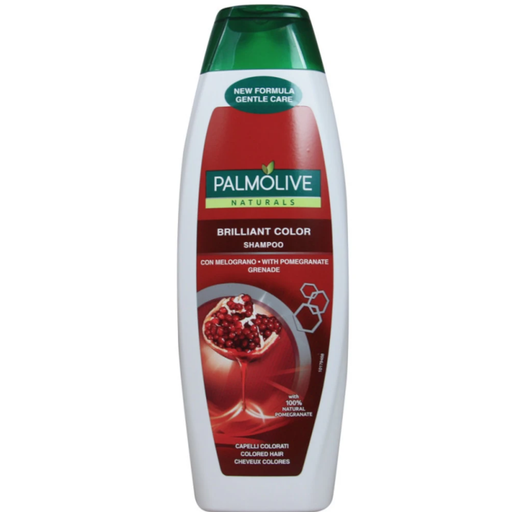
Why it suits this profile: A manageable 350 ml pack for anyone looking for a standard shampoo for coloured hair without immediately buying a large salon-size bottle.
The product information identifies coloured hair as its target group and mentions a UV filter. However, check the current packaging for complete instructions for use.
350 ml; according to the product information, with pomegranate, pearl and almond extracts.
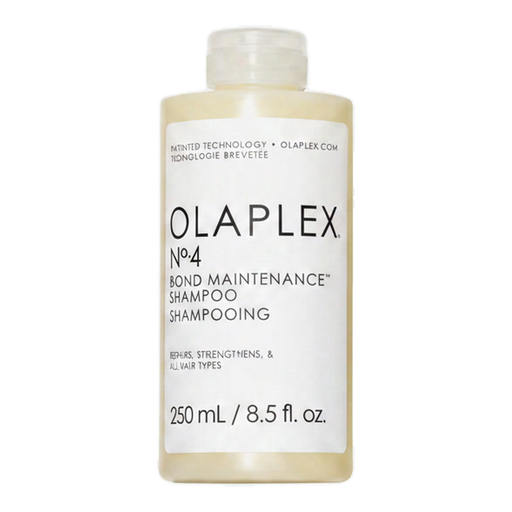
Why it suits this profile: Suitable for coloured hair that primarily needs gentle cleansing, softness and care during regular washing.
The product information states that it has a sulphate-free formula and a concentrated dosage. It is therefore important not to use more than necessary.
250 ml; according to the product information, sulphate-free, vegan and suitable for coloured hair.
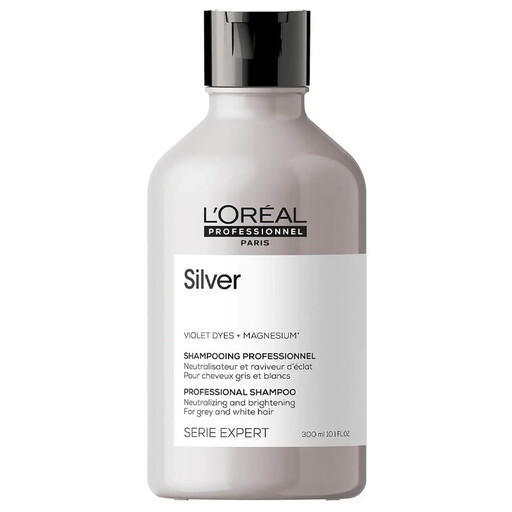
Why it suits this profile: Designed for adults with light blonde, white or grey hair who want to target yellow and brassy tones.
The product description mentions violet pigment and gives a development time of 1–3 minutes. This allows you to build up the toning gradually and in a controlled way, following the label.
300 ml; specifically indicated for grey, white and light blonde hair; according to the product information, paraben-free.
We have put together a complete, up-to-date list of products that fully meet these strict selection criteria and the applicable European safety regulations.
That depends on the formula and your washing routine. According to the product information, a standard colour-protecting shampoo can often be used every time you wash your hair. A silver shampoo or anti-yellow shampoo is usually used less frequently, for example once or a few times a week, unless the label states otherwise. Using toning shampoo too often can affect the colour result in an undesirable way.
A shampoo cannot prevent colour from eventually fading. Its longevity depends on factors including the colour treatment, hair porosity, heat, sunlight and how often you wash your hair. Claims such as “up to 40 washes” or “up to 8 weeks” are, according to the brand’s product information, intended for specific conditions. Treat them as an indication rather than a fixed expectation.
A shampoo for blonde hair may have a standard conditioning or colour-protecting formula. Silver shampoo generally contains violet pigments to visually neutralise yellow tones. This can be useful for bleached, grey or white hair; for other hair colours, a standard colour-protecting shampoo is often the more logical choice. Always check the target hair type, ingredients and development time on the packaging.
