
Vandaag of morgen in huis

Kwaliteit gegarandeerd

Welkomstaanbiedingen ontgrendelen: GRATIS bezorging | Tot 80% korting | Gratis 30 dagen JoyPlus-proefperiode
Download de app
A new shampoo may seem like a simple purchase, but products vary considerably in cleansing power, conditioning ingredients, size and usage advice. A formula for daily use is not automatically suitable for dry or damaged hair. Terms such as “repair”, “shine” and “hydrating” only tell you something when you also look at the ingredients list and product information.
As a Joybuy Product Recommendation Officer, I focus mainly on verifiable information: hair needs, size, ingredients, frequency of use and warnings on the packaging. This helps you avoid paying solely for an eye-catching claim.
Words such as “repair”, “stronger” or “100% dandruff-free” sound clear, but performance can depend on your hair type, how often you use the product and the condition of your hair. A shampoo may leave your hair feeling smoother during washing, but that does not automatically mean damaged hair fibres will be permanently repaired.
So check whether a claim comes from the product description or from research carried out by the brand. For example, the Head & Shoulders variant states that, according to the brand’s own research and clinical evidence, its anti-dandruff performance applies when used regularly. Treat this as product information, not a universal guarantee.
“Ultimate Repair”, “Diamond Gloss” or “Smooth & Silky” refers to how a product is positioned, but not to a fixed quality standard. Check the full ingredients list. Sulphates such as Sodium Laureth Sulfate cleanse effectively, while silicones such as Dimethicone or Amodimethicone may leave hair feeling smoother. This can be useful for frizzy hair, but less suitable if you deliberately want to wash without silicones.
A 550 ml bottle is not automatically better value than a 250 ml bottle. Work out the price per 100 ml and also consider how many people are in your household. A multipack, such as three bottles of Shiseido or six bottles of Head & Shoulders, is practical if you use the product regularly, but less suitable if you like to switch formulas frequently.
Anyone looking for a vegan shampoo should look for an explicit statement from the brand and, preferably, check the packaging or certification. For example, Garnier Loving Blends Argan states that the formula contains no animal-derived ingredients and is certified by Cruelty Free International. This is a product-specific statement, not a general characteristic of every shampoo containing argan oil.
For a shampoo with aloe vera, its exact position and quantity in the ingredients list are relevant. Palmolive Silky Shine Aloe and Head & Shoulders Sensitive mention aloe vera, but also contain different cleansing and conditioning ingredients.
Most variants are applied to wet hair, lathered and rinsed thoroughly. Avoid contact with the eyes and follow the instructions on the packaging. For a shampoo for daily use, check that the product is explicitly marketed for this purpose. If you have a sensitive scalp, washing less often or alternating with a milder formula may feel more comfortable.
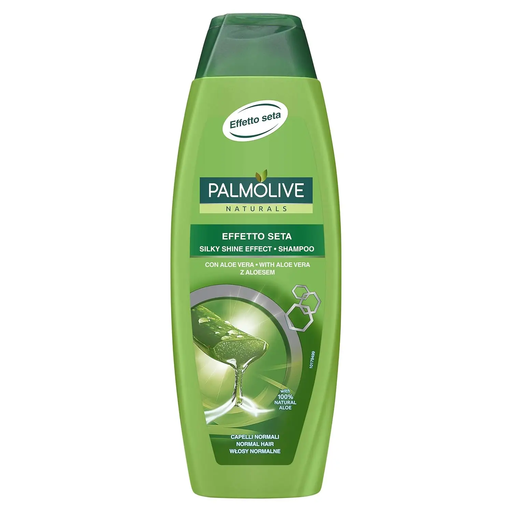
Why it suits this profile: The 350 ml size and the stated suitability for frequent washing make this an easy-to-understand option for a straightforward daily routine.
The product information clearly states that it contains aloe vera, comes in a 350 ml size and includes usage instructions, so you do not have to rely solely on the name “Silky Shine”.
350 ml size; aloe vera listed for this variant; described as suitable for frequent use.
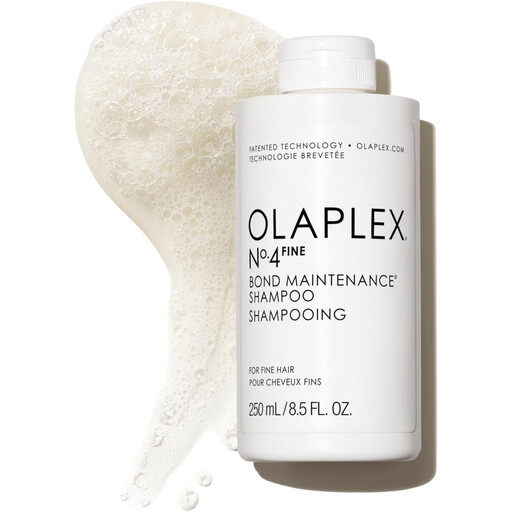
Why it suits this profile: This option is aimed at fine hair, volume, coloured hair and the everyday stresses hair is exposed to. The product description also states that it has a vegan formula.
The product information specifies the hair type and vegan claim instead of making only a general promise about shine or repair.
250 ml size; designed for fine hair and volume; described as vegan and colour-safe.
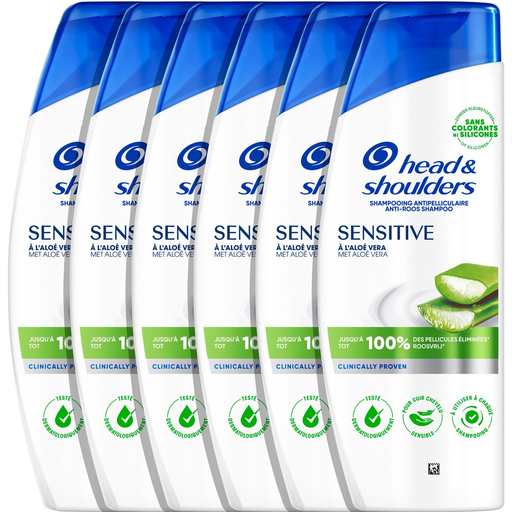
Why it suits this profile: This multipack is aimed at households that use anti-dandruff shampoo regularly and want to keep several bottles in stock.
The packaging states that it contains six 250 ml bottles and the active ingredient Piroctone Olamine. The brand’s claims about dandruff and regular use remain clearly identifiable as claims made by the manufacturer.
Six 250 ml bottles; Piroctone Olamine listed in the ingredients; aloe vera stated in the formulation.
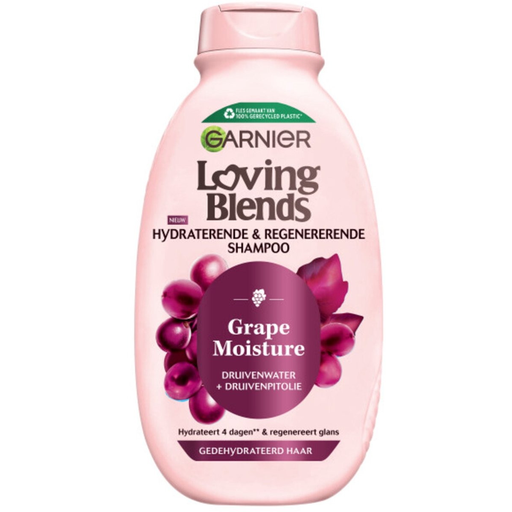
Why it suits this profile: The product description mentions hydration, softness, shine and daily use. This makes the variant suitable for a simple routine for dry or dull hair.
The choice is based on the stated properties and 300 ml size, not on a general promise that every hair type will achieve the same result.
300 ml size; grape extract mentioned in the product description; stated by the manufacturer to be suitable for daily use.
We have put together a complete, up-to-date list of products that fully meet these strict selection criteria and the applicable European safety regulations.
Look for a shampoo for dry hair containing conditioning ingredients such as glycerine, argan oil, avocado oil or shea butter. A shampoo with argan oil, such as Garnier Loving Blends Argan, may be suitable when nourishment and softness are important to you. However, check that the fragrance, sulphates and other ingredients match your preferences.
That depends on the formula, your scalp and how quickly your hair becomes greasy. Products described as suitable for daily or frequent use, such as some mild variants, may be intended for this purpose. Do not automatically use more shampoo: a small amount is often enough, and thorough rinsing remains important.
A multipack may reduce the price per 100 ml, but first check the total price, the size of each bottle and the shelf life stated on the packaging. A multipack makes the most sense when several people use the same shampoo or when you already know that the formula suits your hair and scalp.
