
Vandaag of morgen in huis

Kwaliteit gegarandeerd

Welkomstaanbiedingen ontgrendelen: GRATIS bezorging | Tot 80% korting | Gratis 30 dagen JoyPlus-proefperiode
Download de app
A shampoo should primarily suit your hair, scalp and washing routine. Yet many people choose based on glossy packaging or promises such as “repair from within”. This can lead to a product that is too heavy for fine hair, cleanses too aggressively for a dry scalp or fails to remove enough product build-up.
As a Joybuy Product Recommendation Officer, I therefore start by looking at verifiable points: hair type, hair concern, ingredients, size and frequency of use. This helps you compare shampoos objectively and avoid making the wrong purchase.
Words such as “repair”, “shine” and “volume” often describe the aim of the formula, but they will not have the same effect for everyone. According to Gliss-Kur’s own research, the Total Repair formula can reduce hair breakage by up to 85%. According to the product description, this claim applies under the stated conditions of use and is not a guarantee for every user.
Claims about hair strength, density or hair retention should also be read as brand claims. Shampoo can cleanse the hair and make it feel smoother temporarily, but it is not a substitute for medical treatment. If you experience persistent itching, flaking or sudden hair loss, it is wiser to seek advice from your GP or pharmacist.
A sulphate-free shampoo can be a good choice for people who want to strip less oil from their hair, for example if it is dry, curly or colour-treated. However, that does not automatically mean that every sulphate-free product is suitable for every scalp. Also consider the other cleansing agents, fragrance and how your hair responds.
Conversely, a shampoo containing sulphates is not necessarily unsuitable. A formula with Sodium Laureth Sulfate may be useful if you use a lot of styling products or have hair that becomes greasy quickly. Always check the full ingredients list on the packaging.
A shampoo multipack may seem good value, but only if you use the formula regularly and have enough storage space. A 1,500 ml bottle is practical for a family or salon, but less convenient if you like to switch between products. Also check the shelf life after opening, as this can vary from one product to another.
A shampoo containing keratin or hydrolysed proteins can temporarily make damaged hair feel smoother. This is different from permanently repairing a hair fibre. The Gliss-Kur Total Repair products, for example, list hydrolyzed keratin; according to the brand’s own information, the range is intended for dry and damaged hair.
A shampoo containing glycolic acid, such as L’Oréal Elvive Glycolic Gloss, is described as sulphate-free and intended for dull and porous hair. Check the current ingredients list on the bottle, as brands may change their formulas.
A shampoo for daily use should suit how often you wash your hair. If you exercise every day or wear a cycling helmet, you may need to cleanse your hair regularly. If your hair is dry or colour-treated, you may prefer to wash it less often and use conditioner on the lengths.
For damaged hair, a complete routine is often more effective than simply changing your shampoo. Apply conditioner mainly from the mid-lengths down to the ends. Avoid the scalp if your hair becomes greasy there quickly.
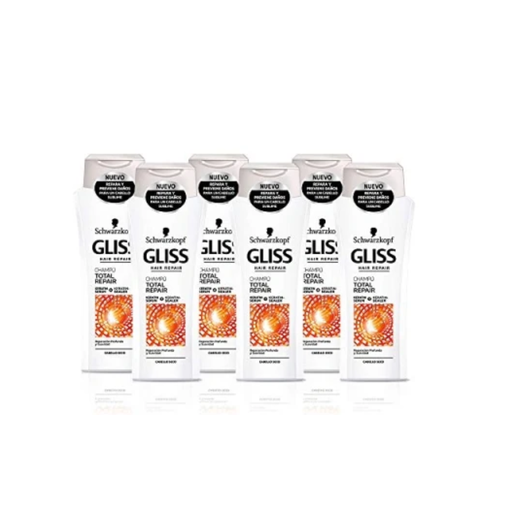
Why it suits this profile: The pack contains six 250 ml bottles and is aimed at dry and damaged hair. This is practical for a household that uses the same shampoo regularly.
The size and intended users are clearly stated. However, check whether a formula containing Sodium Laureth Sulfate is suitable for your scalp.
Six bottles, hydrolyzed keratin and flower nectar according to the product information; intended for dry and damaged hair.
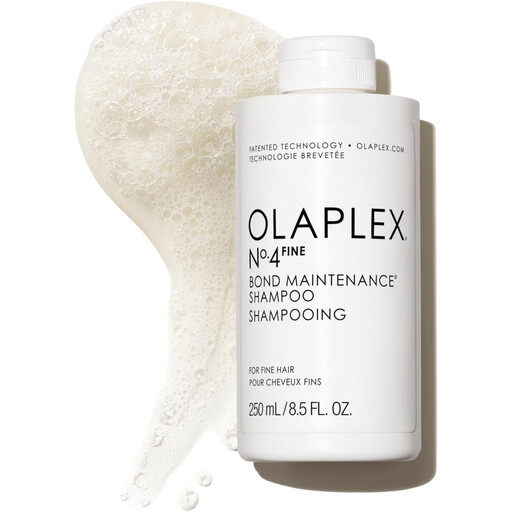
Why it suits this profile: According to the product description, this shampoo is designed for fine hair and for hair that may become weakened by daily styling.
The product information states that it offers gentle cleansing and is suitable for colour-treated and chemically treated hair; still, check the ingredients list.
250 ml, vegan according to the product description and intended to help fine hair look fuller and more resilient.
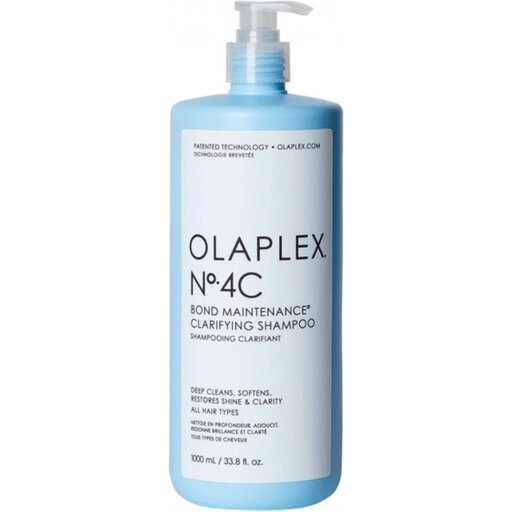
Why it suits this profile: The 1,000 ml size is suitable for intensive use or a household where styling-product build-up and excess oil need to be removed regularly.
A clarifying shampoo is clearly intended for deep cleansing. Do not use it every day by default if your hair is dry or fragile.
Large bottle, sulphate-free cleansers according to the product information and designed to remove styling-product residue and minerals.
Do not compare the price of the bottle alone. Divide the price by the volume and consider how much you use per wash. A 440 ml bottle may be more practical for daily use than a smaller size, while a shampoo multipack may offer better value when several family members use the same formula.
Also consider:
We have put together a complete, up-to-date list of products that fully meet these strict selection criteria and the applicable European safety regulations.
This depends on your scalp, hair length and daily activities. If you have an oily scalp or exercise frequently, washing your hair every day may be comfortable. Dry or curly hair may benefit from less frequent washing. Use lukewarm water, massage mainly the scalp and rinse thoroughly.
Check the packaging for the expiry date and the symbol indicating the period after opening, such as 12M. Keep the bottle closed, dry and out of direct sunlight. A change in smell, colour or texture may be a reason to stop using the product.
Not always. A professional shampoo may offer a specific formula or a larger size, but the right choice depends on your hair concern and ingredient preferences. Compare millilitres, ingredients and frequency of use before choosing based solely on the brand name or price.
