
Vandaag of morgen in huis

Kwaliteit gegarandeerd

Welkomstaanbiedingen ontgrendelen: GRATIS bezorging | Tot 80% korting | Gratis 30 dagen JoyPlus-proefperiode
Download de app
Buying shampoo seems simple until you have to choose between a nourishing shampoo, a sulphate-free shampoo, an anti-dandruff option or a large bottle for everyday use. Eye-catching packaging or promises of shine do not automatically mean that the formula is right for your scalp and hair lengths.
When comparing products, focus especially on their intended use, ingredients list and volume. This helps you avoid buying a product that feels too heavy on your scalp, makes coloured hair look dull more quickly or does not provide enough care for damaged lengths.
Words such as “repairing”, “strengthening” and “intensive care” sound appealing, but they can mean different things. For example, a shampoo may mainly create a smooth feel through conditioning ingredients, which is not the same as structurally repairing damaged hair.
So check what the shampoo is intended for according to the product description:
Brand claims about reduced hair breakage, increased growth or longer-lasting colour are not fixed guarantees. According to the relevant brand’s own research, such results may apply under certain conditions. Always check the full product information and follow the instructions for use.
A sulphate-free shampoo does not contain certain sulphate-based cleansers, but that does not automatically mean that every scalp will find the formula comfortable. Fragrance, menthol, acids, preservatives and other cleansers may also be relevant.
Conversely, a shampoo containing sulphates is not necessarily unsuitable. For an oilier scalp or when using lots of styling products, a stronger cleanse may be more practical. If you have coloured, dry or curly hair, you may prefer a formula that feels less stripping.
A salon-sized 1,000 or 1,500 ml bottle can be useful for a household, hair salon or intensive use. However, a large bottle is not always better value if you hardly use the formula or if it quickly makes your hair feel heavy.
Compare the price per 100 ml, the shelf-life information on the packaging and the amount you need per wash.
First, identify what you need. Your scalp mainly determines which level of cleansing feels comfortable, while the lengths determine how much conditioning you need. If you have an oily scalp and dry ends, a combination approach may work: wash specifically at the roots and apply conditioner only to the lengths.
For a universal solution, you can look at shampoo for all hair types, but do not expect it to specifically address dandruff, colour protection or severely damaged lengths.
Read the ingredients list on the packaging, as brands regularly update their formulas. In particular, look out for:
An anti-dandruff shampoo or shampoo for hair loss is not a substitute for medical assessment. If you experience persistent symptoms, sudden hair loss, itching or irritation, it is advisable to consult a doctor or pharmacist.
A 250 to 300 ml bottle is suitable for trying a formula first. For families and salons, 1,000 to 1,500 ml bottles are more practical. A 2-in-1 shampoo combines cleansing and conditioning in one step, making it useful for sports, travel or a quick daily routine. For dry or severely damaged hair, using a separate conditioner can give you more control over your hair-care routine.
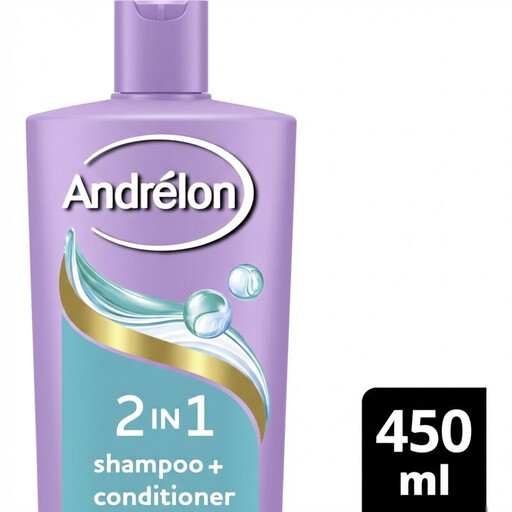
Why it suits this profile: The 450 ml bottle and 2-in-1 formula are practical for everyday use, busy households or anyone short on time for an extensive routine.
The product information clearly states the volume, vitamin B5 and the combined shampoo and conditioner function, so you are less likely to need a separate conditioning step.
450 ml volume; 2-in-1 formula; designed to cleanse, detangle and condition in one step.
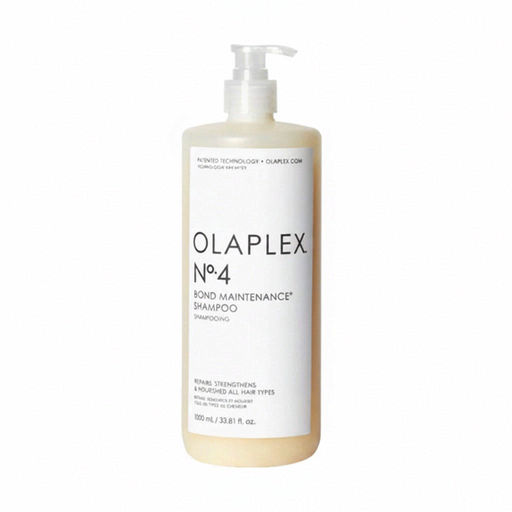
Why it suits this profile: This large bottle is aimed at users looking for a professional shampoo for coloured, chemically treated or regularly styled hair.
The product details explicitly state that the formula is sulphate-free and suitable for coloured hair. However, check the ingredients list on the current packaging.
1,000 ml volume; sulphate-free formula according to the product information; colour-safe according to the manufacturer.
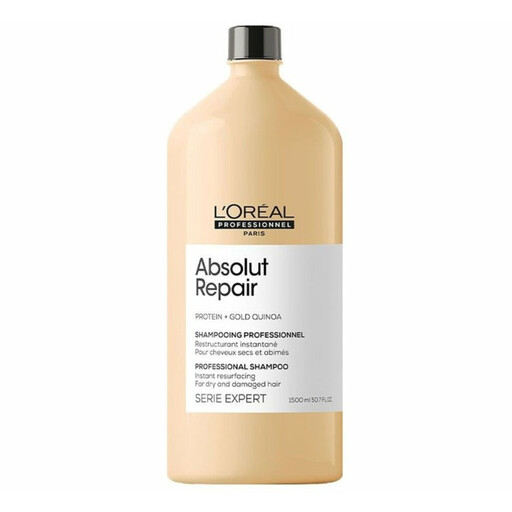
Why it suits this profile: The salon-sized bottle is suitable for hairdressers, large households and people who regularly use shampoo on damaged or chemically treated lengths.
The product information states the 1,500 ml volume and mentions golden quinoa and proteins. The formula is not sulphate-free and contains silicones, so it is important to compare it with your own preferences.
1,500 ml salon size; golden quinoa and proteins according to the product description; designed for damaged hair.
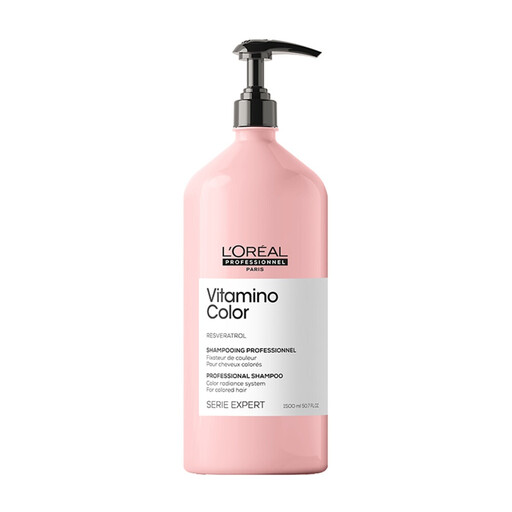
Why it suits this profile: A practical choice for anyone looking for a large bottle for coloured hair, whether at home or in a salon.
The product details mention colour protection, resveratrol and a paraben-free formula. Claims such as colour protection for up to eight weeks come from the brand’s marketing and are not guaranteed for every user.
1,500 ml volume; developed for coloured hair; paraben-free according to the product information.
We have put together a complete, up-to-date list of products that fully meet these strict selection criteria and the applicable European safety regulations.
Look for a formula with conditioning ingredients such as glycerine, oils, butters, panthenol or proteins. A repairing shampoo can make your hair feel softer, but use conditioner or a hair mask on the lengths as well. Avoid applying too much product at the roots if your scalp becomes oily quickly.
This depends on your scalp, hair length, sports activities and use of styling products. Wash your hair when your scalp feels oily or dirty. If you have an oilier scalp, you may be able to wash more frequently with a suitable cleanser; dry or curly hair may benefit from less frequent washing. Always follow the instructions on the label when using anti-dandruff products.
Not necessarily. Compare the price per 100 ml, the amount required and how suitable it is for your hair. A professional shampoo in a large format may offer a lower price per millilitre, but only if you like the formula and finish the bottle within the recommended period of use.
