
Vandaag of morgen in huis

Kwaliteit gegarandeerd

Welkomstaanbiedingen ontgrendelen: GRATIS bezorging | Tot 80% korting | Gratis 30 dagen JoyPlus-proefperiode
Download de app
Choosing a new shampoo seems simple—until you are standing in front of a shelf or scrolling through a long online product list. Are you looking for shampoo for dry hair, fine hair, a sensitive scalp, or a formula for daily use? Terms such as “intensive care”, “natural shine” and “repair” do not always tell you enough.
As a Joybuy Product Recommendation Officer, I filter product information based on practical criteria: hair type, ingredients, volume, frequency of use and verifiable product claims. This helps you avoid paying mainly for packaging or marketing language.
A nourishing shampoo containing oils, butters or silicones can work well for thick, dry or frizzy hair. On fine hair, however, the same formula may leave it feeling limp more quickly. So do not look only for the word “nourishing”; also consider your hair structure and how often you wash it.
A shampoo with aloe vera, argan oil or plant extracts may match your preferences, but natural ingredients can still contain fragrance or allergens. Always check the current ingredients list on the packaging. It may differ from the online product description.
A brand claim is not a universal guarantee. Head & Shoulders, for example, states that its Sensitive formula provides up to 100% protection against dandruff with regular use. This is a claim made by the brand itself, based on its own product information. If you experience persistent scalp problems, stop using the product if irritation occurs and consult a doctor or pharmacist if necessary. Shampoo is not a substitute for medical treatment.
If you are looking for a silicone-free shampoo, check the product details rather than relying only on the front of the bottle. Garnier Loving Blends Mild Oat and Gliss Oil Nutritive are described as silicone-free in the supplied product information. According to its ingredients list, OGX Keratin Oil contains dimethicone and amodimethicone, so it is not suitable for a strictly silicone-free routine.
Fragrance can provide a pleasant scent, but some formulas list fragrance substances such as limonene, linalool or benzyl alcohol. For a sensitive scalp, a short ingredients list does not automatically guarantee comfort. Introduce a new product carefully and stop using it if irritation occurs.
The products in this selection range from 250 to 550 ml. A 400 ml bottle may offer better value for daily use, while a smaller bottle is convenient if you want to try a formula first. Do not use more shampoo than necessary: a small amount is usually sufficient, especially when you wash only the scalp and allow the lather to run through the lengths.
The product information describes several formulas as suitable for daily or frequent use. Always check the packaging, as the formula, warnings and shelf life may change.
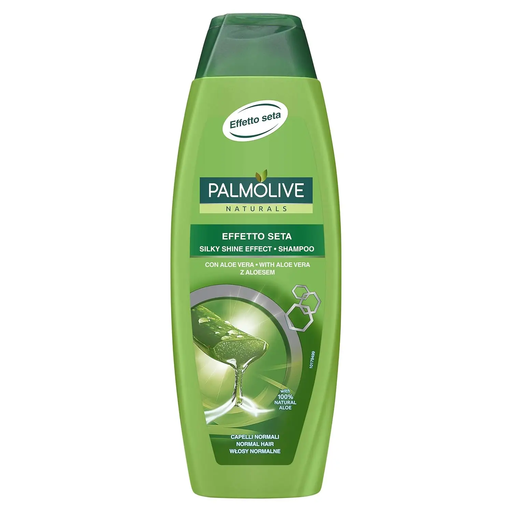
Why this profile is a good fit: A practical choice for adults looking for a shampoo for daily or frequent use, with a fresh aloe scent and medium-sized bottle.
The product description mentions a mild formula and frequent use. Still, check the current packaging and ingredients list when purchasing.
350 ml bottle; according to the product information, the formula contains aloe vera and is designed to leave hair soft and shiny.
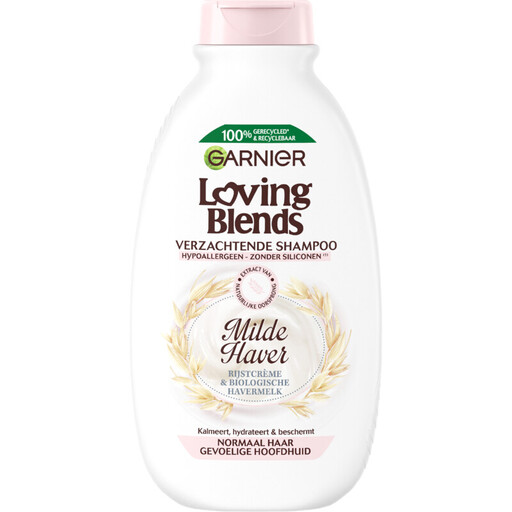
Why this profile is a good fit: Designed for normal hair and sensitive scalps, for anyone looking for a moisturising, silicone-free and vegan shampoo.
The product information describes a hypoallergenic formula, but always check the fragrance ingredients and consider your individual sensitivities.
According to the product list, it contains rice starch, oat extract and aloe vera; the formula is described as silicone-free and suitable for daily use.
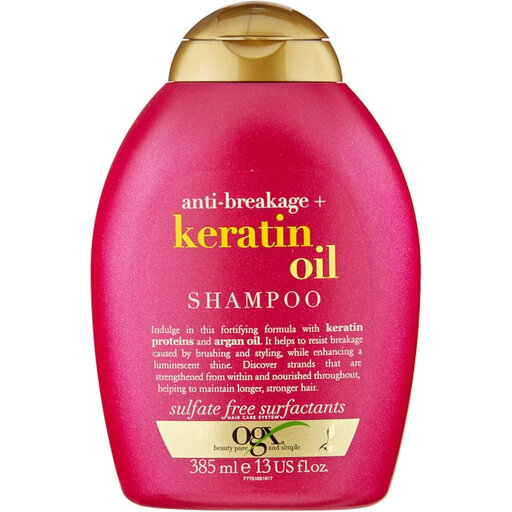
Why this profile is a good fit: An option for anyone looking for shampoo for damaged hair with keratin and argan oil, for example after frequent styling.
The ingredients list also includes dimethicone and amodimethicone. This is therefore not the right choice for anyone seeking to avoid silicones entirely.
385 ml bottle; according to the product description, the formula contains hydrolysed keratin and argan oil and is designed to reduce frizz and breakage.
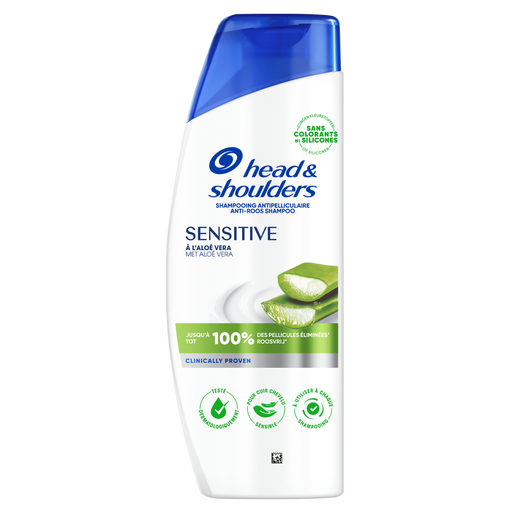
Why this profile is a good fit: For adults specifically looking for anti-dandruff shampoo for a sensitive scalp and regular use.
The formula lists piroctone olamine as its active ingredient. Its performance and recommended frequency of use are based on the brand’s product information.
250 ml bottle; according to the ingredients list, it contains piroctone olamine, aloe vera and oat extract.
Browse a current selection of shampoos suited to different hair types, care needs and usage routines.
Thoroughly wet your hair before applying shampoo. Massage the scalp gently, then rinse thoroughly. The lengths usually do not need intensive scrubbing. For dry or damaged hair, applying conditioner to the lengths can help leave the hair feeling smoother.
Store the bottle according to the instructions on the packaging, close the cap securely and check the shelf-life information. Do not continue using a product if its scent, colour or texture changes noticeably.
That depends on your scalp, hair structure and washing routine. Products such as Palmolive Aloe, Garnier Mild Oat and Dove Daily Moisture Light are described in the product information as suitable or mild enough for frequent use. If you have a dry or sensitive scalp, check whether daily washing continues to feel comfortable.
A shampoo with argan oil may be suitable for dry, coarse or frizzy hair. According to their product information, Garnier Loving Blends Argan and OGX Keratin Oil contain argan oil. The result also depends on your conditioner, styling routine, water quality and how often you wash your hair.
This varies according to the bottle size, hair length, washing frequency and amount used per wash. With moderate use, a 300 to 400 ml bottle will often last longer than when a generous amount is applied every day. So compare not only the price per bottle, but also the volume and recommended amount per use.
