
Vandaag of morgen in huis

Kwaliteit gegarandeerd

Welkomstaanbiedingen ontgrendelen: GRATIS bezorging | Tot 80% korting | Gratis 30 dagen JoyPlus-proefperiode
Download de app
Buying a new shampoo seems simple enough – until you have to choose between a repairing shampoo, a volumising shampoo, an anti-dandruff shampoo, a vegan shampoo, and dozens of variants for dry, fine or coloured hair. A high price tag or a bold claim doesn’t automatically mean the formula is right for your scalp and hair length.
The most common pitfalls:
Your scalp largely determines how strong a cleanse you need. For an oily scalp, look for a formula with cleansing ingredients and possibly ingredients like zinc PCA or salicylic acid. These substances don’t automatically make a product suitable for everyone. Stop if irritation occurs and follow the instructions on the packaging.
For flakes or itching associated with dandruff, an anti-dandruff shampoo with piroctone olamine could be worth considering. Head & Shoulders states that the formula with piroctone olamine is, according to its own product information, intended for dandruff, dandruff-related itching and excess sebum. Use the shampoo as directed on the label. Persistent or severe scalp issues should not be treated with cosmetics; in that case, seek advice from your GP or pharmacist.
Dry lengths usually benefit from a hydrating shampoo or a shampoo for dry and damaged hair. Alongside oils, also look for glycerine, panthenol, mild cleansers and conditioning polymers. For fine hair, a formula that is too rich can leave hair feeling heavy. In that case, choose a shampoo for fine hair or a volumising shampoo, and apply conditioner mainly to the lengths.
A sulphate-free shampoo does not use classic sulphate cleansers such as sodium laureth sulphate or sodium lauryl sulphate. This can suit people who prefer a gentler cleanse or have tailored their hair routine accordingly. However, sulphates are not automatically undesirable: they can actually help remove sebum and styling residue.
Check the full ingredients list on the packaging. Pay attention to, among other things:
Ingredients lists can change. Always use the list on the product you receive as the most up-to-date source.
Don’t just compare the selling price – calculate the price per 100 ml. A 500 ml bottle can be more practical for daily use, while a pack of six 440 ml bottles is particularly useful for a household with multiple users.
A professional shampoo in a large bottle can be attractive on a per-millilitre basis. However, check whether the cap or pump dispenses well and whether you have enough space in your bathroom. With a value pack, the shelf life after opening is also relevant. Follow the indication on the packaging, for example 6M or 12M.
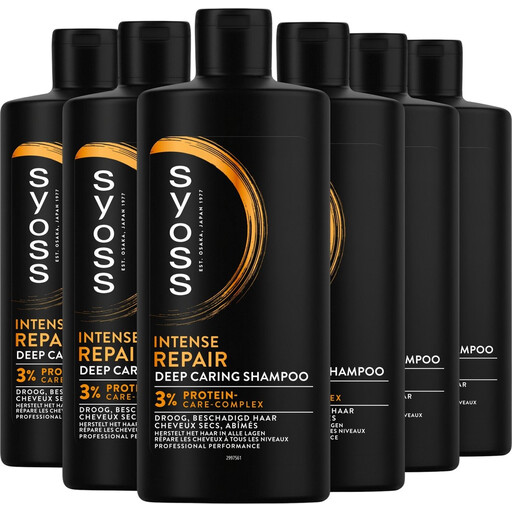
Why this fits the profile: The pack contains six 440 ml bottles, making it suitable for households that regularly use the same shampoo.
The total volume and number of bottles are clearly stated. The formula is not sulphate-free and contains silicones, which you can factor into your decision beforehand.
2,640 ml total, vegan according to the product information and 90% ingredients of natural origin as stated by the brand.
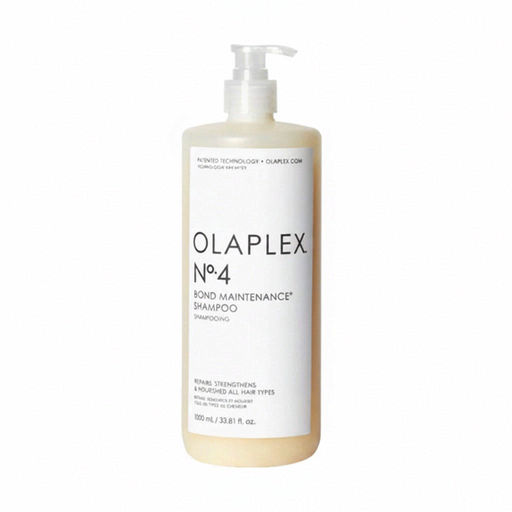
Why this fits the profile: The large bottle suits users looking for a professional shampoo for coloured, treated or regularly styled hair.
The product information states it is sulphate-free and colour-safe. Check the current ingredients list if you want to avoid specific substances.
1,000 ml volume, vegan according to the product information and suitable for different hair types.
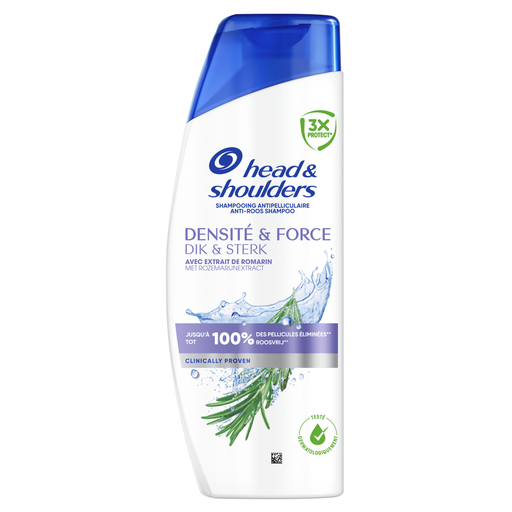
Why this fits the profile: This variant is aimed at users looking for an anti-dandruff shampoo for a scalp with dandruff, dandruff-related itching or excess sebum.
The active ingredient piroctone olamine is listed in the ingredients. Brand claims about clinical efficacy and dandruff reduction are based on Head & Shoulders’ own research; follow the usage instructions.
250 ml volume, suitable for daily use according to the product information and contains rosemary extract.
We’ve put together a full, up-to-date list of products that fully meet these strict selection criteria and comply with current European safety regulations.
Wet your hair thoroughly and take a small amount. Massage mainly the scalp; the lengths are usually cleansed sufficiently as the foam runs through them. Rinse thoroughly. If you use a lot of styling products or have an oily scalp, a second, smaller wash may be necessary.
For dry or damaged hair, you can use a conditioner or mask on the lengths. A shampoo for hair breakage can complement your hair care routine, but claims about hair strength or reduced breakage should always be read in the context of the brand and the conditions of use. Cosmetic shampoo does not replace medical treatment for sudden hair loss.
That depends on sebum production, exercise, styling and hair type. An oily scalp may need more frequent washing; dry or curly hair often needs less. Choose a formula that doesn’t leave your hair feeling tight or heavy after washing.
Not automatically. A sulphate-free shampoo contains other cleansers that can also be strong. Look at the full formula, the fragrance and how your hair reacts after use. “Sulphate-free” is a product specification, not a general guarantee of suitability.
Check the open-jar symbol on the packaging, for example 6M or 12M. Store the bottle in a cool, dry place, close the cap properly and don’t use any product that smells different, has changed colour or causes irritation.
