
Vandaag of morgen in huis

Kwaliteit gegarandeerd

Welkomstaanbiedingen ontgrendelen: GRATIS bezorging | Tot 80% korting | Gratis 30 dagen JoyPlus-proefperiode
Download de app
Finding the right shampoo seems simple, until you have to choose between terms such as repairing, bond repair, professional, sulphate-free and anti-hair-loss. Attractive packaging or a promising claim does not always tell you what your hair and scalp need. If you wash your hair every day, it is worth looking at the ingredients, size and intended use.
Words such as “repair”, “growth” and “anti-breakage” sound clear, but the results depend on the formula and the condition of your hair. Shampoo is rinsed out, so it only has brief contact with the hair and scalp. An anti-breakage shampoo may make the hair feel cosmetically smoother, but it will not automatically prevent every form of breakage.
Caution is also important with an anti-hair-loss shampoo. According to the product descriptions of some brands, ingredients such as caffeine, biotin or peptides may help care for the hair and scalp. This is not a medical treatment and does not guarantee protection against hair loss. If hair loss persists or occurs suddenly, it is wiser to seek medical advice.
A sulphate-free shampoo can feel pleasant on dry, coloured or sensitive-feeling hair, but sulphate-free does not automatically mean that a product is suitable for everyone. Other cleansing agents, fragrance ingredients and preservatives may also be relevant. Always check the full ingredients list and consider how your own hair and scalp react to the product.
A shampoo with stronger cleansing agents can actually be useful for an oily scalp, lots of styling products or frequent exercise. The right choice therefore depends on the balance between cleansing power and comfort.
A 1,000 or 1,500 ml bottle may seem good value, but it is mainly practical for families, hairdressers and consumers who already know the product. If you are trying a new formula, a smaller bottle involves less risk. Also check the use-by information and the period after opening on the packaging. This helps prevent a large bottle from being left unused.
Your scalp mainly determines how thoroughly you need to cleanse. Dryness, flaking or a tight feeling call for a gentler approach. With a shampoo for a dry scalp, look for caring ingredients such as glycerine, panthenol or certain oils on the label. The Sebamed Urea Relief product description mentions 5% urea and is aimed at dry and allergy-prone-feeling skin.
With a shampoo for an oily scalp, effective cleansing and a lightweight texture are more important than a rich oil-based formula., for example, lists Zinc PCA and piroctone olamine among its ingredients. According to the product description, these ingredients are intended to help regulate sebum and keep the scalp feeling fresh; this should not be interpreted as a medical claim.
For dry or damaged hair, you will often come across keratin shampoo, amino acids, proteins, glycerine and oils. According to the product information, OGX Keratin Oil contains hydrolysed keratin and argan oil. This makes it suitable for a routine for frizzy or fragile-feeling hair, although the formula may also contain silicones such as dimethicone and amodimethicone. These often create a smooth feel, but they are not right for every haircare routine.
A bond repair shampoo uses terminology relating to hair bonds or the hair fibre. lists PÉPTIDO-132 and Olaplex bis-aminopropyl diglycol dimaleate among its ingredients. According to the brands, these formulas have been developed for weakened or treated hair. Always compare the cleansing agents, fragrance ingredients and any silicones as well.
Those with coloured or lightened hair may want to look for a shampoo for coloured hair. Look for an explicit statement about colour protection and check whether the product is intended for daily use. According to the product description, Syoss Intense Blonde is aimed at blonde, grey and highlighted hair and at reducing yellow tones. This is a specific colour-care application, not a general shampoo for every hair colour.
Also check the net volume: 200 to 300 ml is suitable for trying a product, 385 to 440 ml is suitable for regular use at home, and a salon-size bottle of 1,000 ml or more makes sense for intensive use.
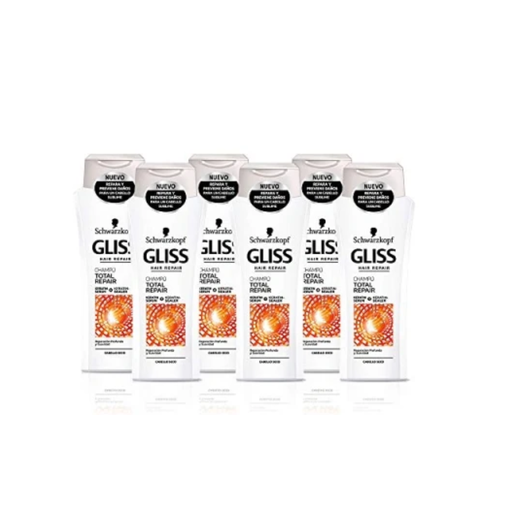
Why it suits this profile: A multipack with six 250 ml bottles is practical for daily use and for households with several people.
The volume and number of bottles are clear from the outset, so you do not have to rely solely on a repair claim.
According to the product description, it contains hydrolysed keratin and flower nectar; six individual bottles are easy to store.
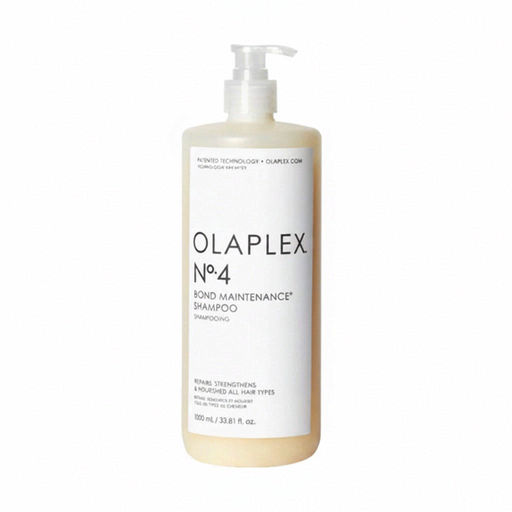
Why it suits this profile: A large bottle for anyone looking for a sulphate-free, colour-safe routine and using the product regularly.
The product description explicitly mentions colour safety and being free from sulphate-type surfactants; check the current packaging for the complete information.
1,000 ml volume; according to the ingredients list, it contains bis-aminopropyl diglycol dimaleate and gentle cleansing agents.
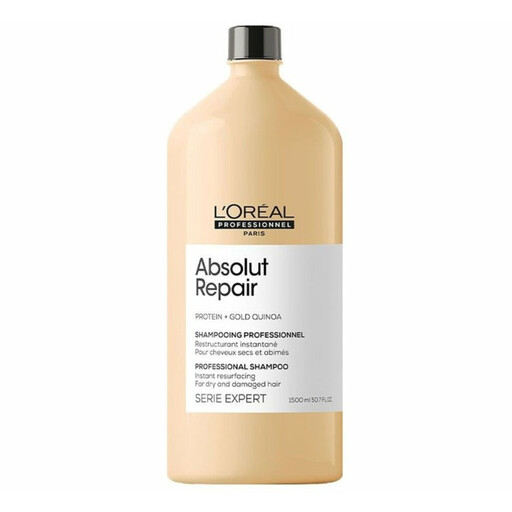
Why it suits this profile: The salon-size bottle is suitable for hairdressers, large households and people who wash their hair frequently or follow an established routine.
The packaging clearly states 1,500 ml, and according to the product information, the formula contains quinoa extract and hydrolysed proteins.
Large salon-size bottle; aimed at dry and damaged hair; using a pump or dispenser bottle may be practical.
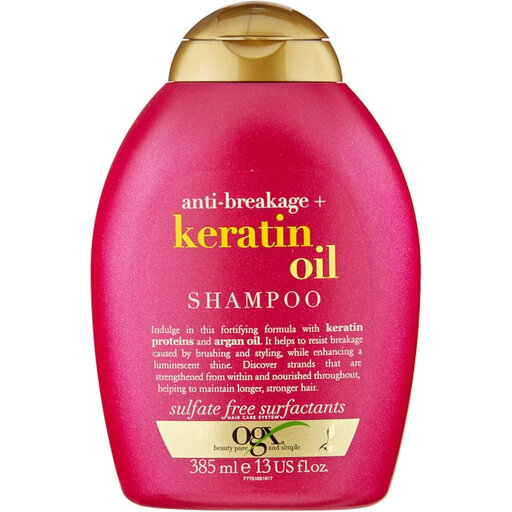
Why it suits this profile: For anyone looking for a shampoo for damaged hair with keratin and argan oil in a medium-sized bottle.
The ingredients list shows that, alongside keratin and argan oil, the formula also contains silicones and fragrance, allowing you to compare products more consciously.
385 ml volume; hydrolysed keratin and argan oil are listed; designed to leave hair feeling smoother and stronger.
We have put together a complete, up-to-date list of products that fully meet these strict selection criteria and the applicable European safety regulations.
Apply shampoo to wet hair and massage it mainly into the scalp. The lengths are usually cleansed sufficiently as the lather is rinsed through them. If your hair is dry or damaged, use lukewarm water and do not rub it dry vigorously. A conditioner or mask can help make the lengths easier to comb through.
Wash your hair as often as your scalp requires. Washing daily is not necessarily a problem, but a strongly cleansing formula can leave some people with a dry or tight feeling. Alternating between a gentle shampoo and a targeted formula can be practical, provided your scalp remains calm.
Look for a shampoo for dry hair containing caring ingredients such as glycerine, panthenol, oils, keratin or proteins. At the same time, check the cleansing agents and fragrance ingredients. For severely damaged or chemically treated hair, a repairing shampoo or bond repair shampoo may fit into your routine, but the brand’s product claims are no guarantee of complete hair repair.
The shelf life is stated on the packaging. Some products have a period after opening, such as 6M or 12M. Keep shampoo closed, out of direct sunlight and at normal room temperature. A large bottle is only good value if you use it within the stated period.
No. Sulphate-free shampoo can be a suitable choice for coloured, dry or sensitive-feeling hair. For an oily scalp or lots of styling products, a different level of cleansing power may feel more comfortable. Compare the full ingredients list and pay attention to how your hair and scalp respond.
