
Vandaag of morgen in huis

Kwaliteit gegarandeerd

Welkomstaanbiedingen ontgrendelen: GRATIS bezorging | Tot 80% korting | Gratis 30 dagen JoyPlus-proefperiode
Download de app
Buying shampoo seems simple until you have to choose between dozens of varieties for dry hair, dandruff, volume, damage or daily use. A high price or eye-catching packaging does not automatically mean a formula is right for your hair. The right choice starts with your scalp, hair length and the ingredients list.
Words such as “intensive repair”, “more volume” or “up to 100% dandruff-free” sound clear, but the conditions often appear in the small print. Claims may apply, for example, when the product is used regularly, as part of a complete product routine or under specific testing conditions.
So first assess the information that can be checked:
A shampoo may, for example, show a particular effect in an instrumental test according to the brand’s own research. That does not mean the same result is guaranteed for every user.
A nourishing shampoo for dry hair may feel pleasant on coarse lengths, but too heavy for fine hair. Conversely, a strongly cleansing formula can make dryness or a tight feeling worse. If you have a sensitive scalp, it is sensible to pay extra attention to fragrance, colourants and known allergens.
A 625 or 1000 ml bottle may seem good value per wash, but it is less practical if the shampoo turns out not to be suitable. Also check the expiry information and the period after opening. Use the packaging as a guide, especially when considering a shampoo offer.
Choose the formula based on the main concern:
Sulphate-free shampoo does not contain certain sulphate cleansers, but “sulphate-free” does not automatically mean that the formula is milder or more suitable for everyone. Some users look for a sulphate-free shampoo because they have coloured, dry or curly hair. Check the complete INCI list and also look out for fragrance and preservatives.
Olaplex N°4 Bond Maintenance Shampoo is described in the product information as sulphate-free and suitable for coloured hair. According to the product description, OGX Nourishing + Coconut Milk Shampoo is offered without sulphate cleansers, parabens, phthalates, microplastics or colourants. Always check the current packaging, as ingredients lists may change.
Do not compare only the shop price, but also the contents:
A shampoo for daily use can be convenient, but washing every day is not necessary for every hair or scalp type. Follow the instructions on the label and adjust the amount to your hair length.
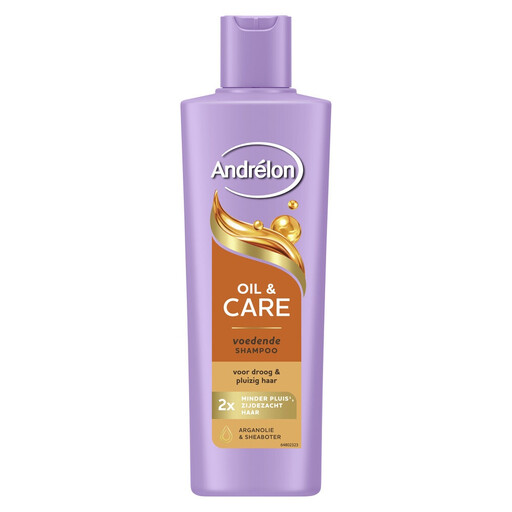
Why it suits this profile: A familiar option for anyone looking for shampoo for dry and frizzy hair who would like to try a smaller size first.
The product description specifies that it is intended for dry and frizzy hair, so you do not have to rely solely on a general claim.
250 ml; contains argan oil, coconut oil and shea butter according to the ingredients list; directions for use and allergens are stated.
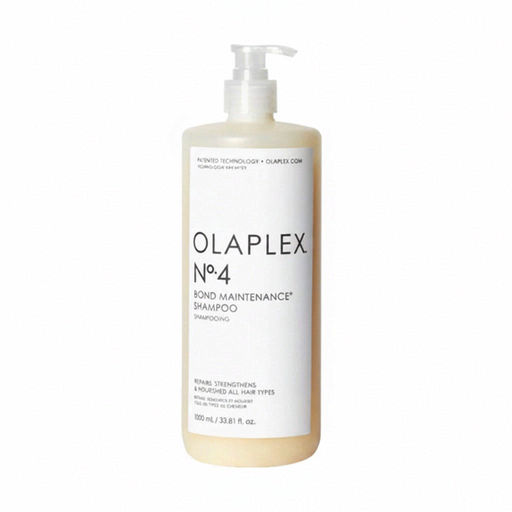
Why it suits this profile: Ideal for anyone looking for a large bottle and a sulphate-free formula for coloured or damaged hair.
The product information explicitly states that it is sulphate-free and colour-safe. This makes the choice easier to verify than a general promise of repair.
1000 ml; sulphate-free formula according to the product description; contains, among other ingredients, panthenol, plant protein and conditioning polymers.
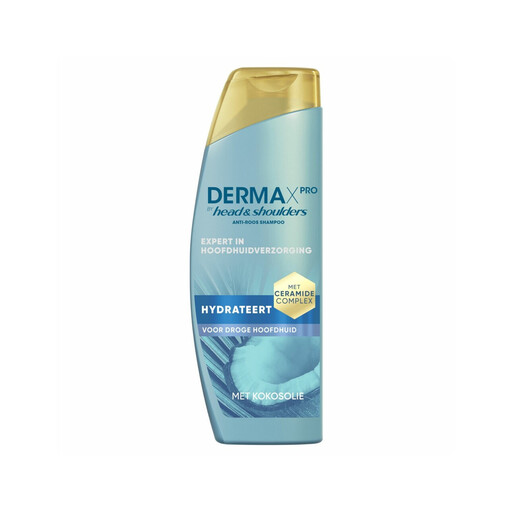
Why it suits this profile: For anyone looking for an anti-dandruff shampoo that, according to the product description, is intended for a dry, flaky scalp.
The ingredients list names piroctone olamine, while the packaging states that the formula is neither sulphate-free nor hypoallergenic. This allows you to assess more accurately whether it is suitable.
250 ml; contains piroctone olamine and glycerine; directions for use and eye warnings are provided with the product.
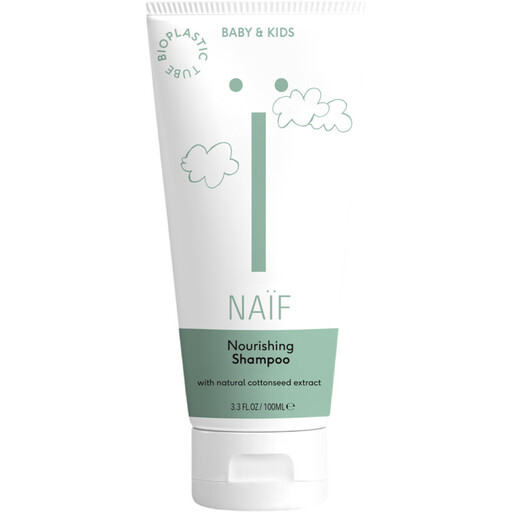
Why it suits this profile: Developed for babies, toddlers and children who need a mild shampoo for fine hair and a sensitive scalp.
The product information states the target group and provides specific safety instructions. If you have allergies, always check the current ingredients list.
200 ml; according to the product description, free from SLS/SLES, parabens and microplastics; contains glycerine and cotton extract.
We have put together a complete, up-to-date list of products that fully meet these strict selection criteria and the applicable European safety regulations.
First wet your hair thoroughly and distribute a small amount over your scalp. Massage gently and rinse thoroughly. For long or dry lengths, you generally do not need to apply a lot of shampoo directly to the ends. Avoid contact with the eyes and follow the warnings on the packaging.
Store the bottle in a cool, dry place, away from direct sunlight and out of reach of children. Check the expiry date and period after opening for each product. If irritation or a rash develops, stop using the product. If scalp problems persist, it is wiser to seek advice from a GP or pharmacist than to keep trying different shampoos.
Look for a hydrating shampoo with ingredients such as glycerine, oils or shea butter. Avoid a heavy formula if you have fine hair. A conditioner can help make the lengths easier to comb through.
That depends on the product. According to the packaging, some varieties are suitable for daily use, while others have different usage instructions. Check the directions and stop using it if irritation occurs. Claims about dandruff control apply only under the conditions stated by the brand.
The exact shelf life is stated on the packaging. Also look for the symbol indicating the period after opening, such as 12M. A large bottle is only good value if you use it within the stated period and the formula suits you.
