
Vandaag of morgen in huis

Kwaliteit gegarandeerd

Welkomstaanbiedingen ontgrendelen: GRATIS bezorging | Tot 80% korting | Gratis 30 dagen JoyPlus-proefperiode
Download de app
Buying a new shampoo seems simple, until you have to choose between shampoo for dry hair, damaged hair, oily hair or colour-treated hair. Packaging often promises shine, repair or stronger hair, but the formula, size and instructions determine whether the product fits your routine.
Three common pitfalls are:
Your scalp usually determines how often you want to wash your hair. If you have an oilier scalp, a cleansing shampoo for oily hair may feel comfortable. For daily use, pay attention to the cleansing base and follow the instructions on the packaging. A shampoo with a cooling ingredient such as menthol may provide a fresh sensation according to the product description; that does not automatically mean it treats a scalp problem.
Dry, porous or damaged hair often benefits more from a hydrating shampoo or repairing shampoo. Ingredients such as glycerine, oils, proteins or conditioning agents can make hair feel softer. However, check that the formula is not too heavy for fine hair.
A sulphate-free shampoo does not use traditional sulphate cleansers such as sodium laureth sulphate in the stated formula. This may appeal to people looking for a gentler washing experience or wanting their colour-treated hair to feel cared for for longer. However, sulphate-free does not automatically mean that a product is more suitable for everyone.
If you have dyed hair, look for a shampoo for colour-treated hair with an explicit colour-safe indication. L’Oréal Professionnel Vitamino Color states colour retention as its purpose, but the product information also indicates that the formula is not sulphate-free. Therefore, always check the current ingredients list on the packaging; brands may change their formulas.
Many shampoos for home use contain 250 to 400 ml. A 550, 1,000 or 1,500 ml bottle can be practical when several people use the same formula or when you are looking for a professional shampoo for intensive use. With a large bottle, a pump, suitable storage and an appropriate dosage are useful.
Focus on washing your scalp and let the lather run through the lengths. Apply conditioner or a hair mask mainly to the lengths and ends. This helps prevent a nourishing shampoo or conditioner from making your roots look greasy more quickly.
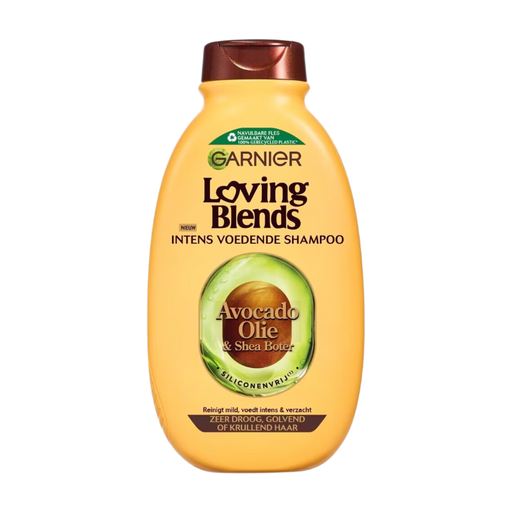
Why it suits this profile: A manageable 300 ml bottle with avocado oil and shea butter listed among the stated ingredients. Suitable if you are looking for a nourishing shampoo for dry hair as part of a normal home routine.
The product information states the size and full ingredients list, so you do not have to rely solely on a claim on the front of the bottle.
300 ml; avocado oil and shea butter listed; product for use on wet hair and scalp.
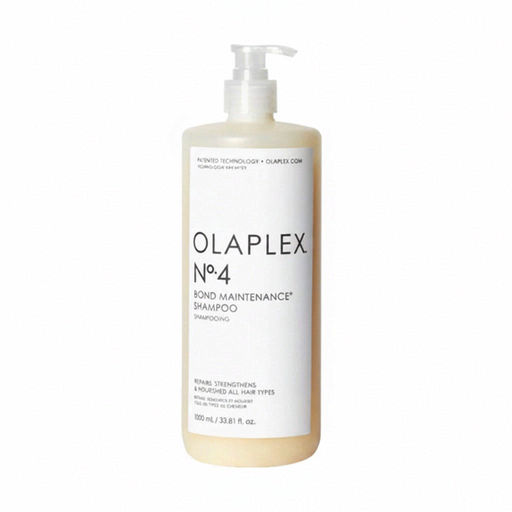
Why it suits this profile: The product description states that it has a sulphate-free, colour-safe formula for all hair types. The 1,000 ml size suits an established haircare routine or shared use.
The formula’s features are clearly stated: sulphate-free and suitable for colour-treated hair. Check the packaging for the current formulation.
1,000 ml; sulphate-free formula according to the product description; colour-safe; contains, among other ingredients, panthenol and plant proteins.
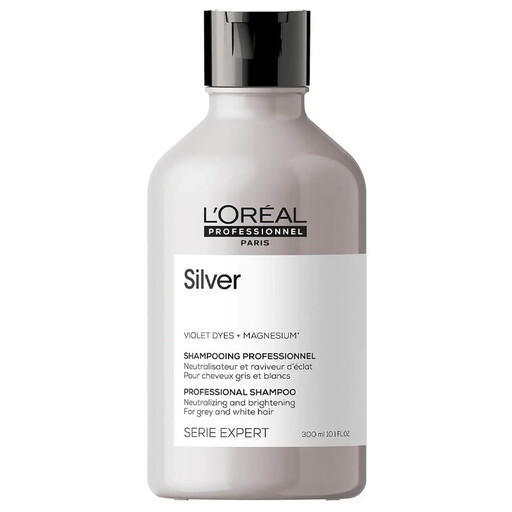
Why it suits this profile: According to the product information, this silver shampoo is intended for grey, white and light blonde hair. Violet pigments are designed to neutralise unwanted yellow and brassy tones.
The target hair types and processing time of 1 to 3 minutes are specified. This makes it clearer that it is not a universal shampoo for every hair colour.
300 ml; violet pigments; intended for grey, white and light blonde hair; usage time stated in the product information.
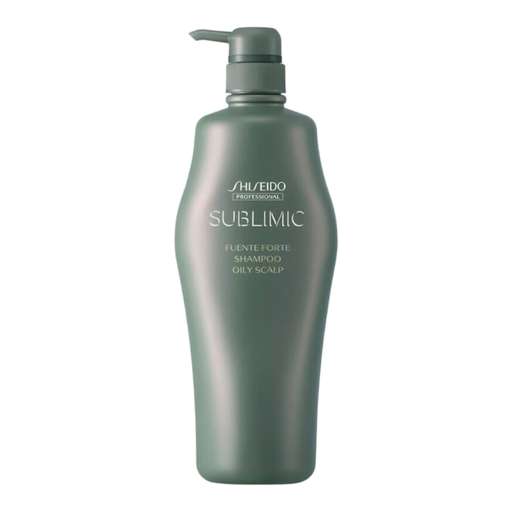
Why it suits this profile: The product description names the “Oily Scalp” variant and a formula that removes excess oil. The 1,000 ml bottle is suitable for regular or shared use.
The target user is clearly defined. This helps prevent you from choosing a strongly cleansing formula when you actually want to care for dry hair.
1,000 ml; variant for an oily scalp; description mentions removing excess oil and a fresh fragrance.
We have put together a complete, up-to-date list of products that fully meet these strict selection criteria and the applicable European safety regulations.
It depends on your scalp, hair type and daily activities. An oily scalp may require more frequent washing, while dry or curly hair may sometimes benefit from washing less often. Use a small amount, gently massage your scalp and rinse thoroughly. Always follow the specific instructions on the packaging.
Check the expiry date, batch information and the symbol indicating the period after opening on the packaging. Some products, for example, display 12M, referring to twelve months after opening. Store shampoo in a cool, dry place and close the bottle securely. A change in smell, colour or texture may be a reason to stop using the product.
Not necessarily. Compare the price per 100 ml, the amount needed per wash and how well it suits your hair. A 1,000 ml or 1,500 ml bottle can be practical for intensive use, but only if the formula is a good match for your scalp and hair lengths. Also check the ingredients list and any warnings before ordering.
