
Vandaag of morgen in huis

Kwaliteit gegarandeerd

Welkomstaanbiedingen ontgrendelen: GRATIS bezorging | Tot 80% korting | Gratis 30 dagen JoyPlus-proefperiode
Download de app
Buying a new shampoo seems simple, but the differences in formula, size and intended use can be significant. A bottle with an appealing promise is not automatically suitable for your scalp or hair lengths. If you focus mainly on fragrance, packaging or a striking claim, you may end up paying for a product that feels too heavy, does not cleanse sufficiently or runs out quickly.
As a Joybuy Product Recommendation Officer, I therefore start by looking at verifiable factors: hair type, scalp needs, ingredients, volume and frequency of use. This allows you to compare shampoo based on practical value rather than marketing language alone.
An everyday shampoo can be perfectly suitable for normal hair, but it is not automatically right for dandruff, an oilier scalp or very dry hair. A formula containing plenty of conditioning ingredients may work well for dry hair but leave fine hair feeling limp. Conversely, a strongly cleansing shampoo may make a dry scalp feel uncomfortable.
So start by identifying your main goal:
A small bottle may seem inexpensive, but a shampoo multipack can offer better value when you use the same formula regularly. Always compare the price per 100 ml. A multipack is particularly practical if you already know the product and the formula suits you well.
For a household with several users, six bottles of 250 or 400 ml are convenient. For occasional use, such as silver shampoo, a smaller pack is usually more sensible. This helps prevent a product from sitting unused in the bathroom for too long.
Brands use terms such as ‘repairing’, ‘strengthening’ or ‘against hair loss’. These words often describe the product’s positioning, but they do not guarantee personal results. A brand may cite certain effects based on its own research, but you should not confuse such a claim with a medical effect.
Also pay attention to warnings, fragrances and the full ingredients list on the packaging. This list may be updated. If you have a known allergy or develop irritation, stop using the product and follow the advice on the label.
The roots and hair lengths do not always have the same needs. An oilier scalp may require lighter cleansing, while dry ends may benefit from conditioner or a hydrating shampoo. Focus the shampoo massage mainly on the scalp and let the lather run through the lengths without rubbing harshly.
For dandruff, you can choose an anti-dandruff shampoo containing a specific ingredient, such as piroctone olamine in some Head & Shoulders formulas. According to the brand’s product description, this ingredient is intended to provide the anti-dandruff action. Check the label and use the product according to the instructions provided.
If you are looking for a gentle shampoo, you can consider the cleansing base, fragrance and conditioning ingredients. ‘Sulphate-free’ does not automatically mean that a product will work better for everyone. It is one product specification within a broader picture.
Oils, glycerine, proteins, silicones and conditioning polymers are among the ingredients used for dry or damaged hair. A shampoo for damaged hair may leave the hair feeling smoother, but split ends cannot be permanently repaired. If necessary, use it alongside a conditioner or hair mask.
A 2-in-1 shampoo combines cleansing and conditioning. This saves time, but for long, curly or very dry hair, using a separate conditioner may provide more conditioning.
As well as the number of millilitres, check the type of packaging. A 1,000 ml pump bottle is convenient for everyday use, while individual 250 ml bottles are easier to store or take with you. When looking at multipacks, check:
A large bottle only offers good value if you use the shampoo regularly and the formula suits you.
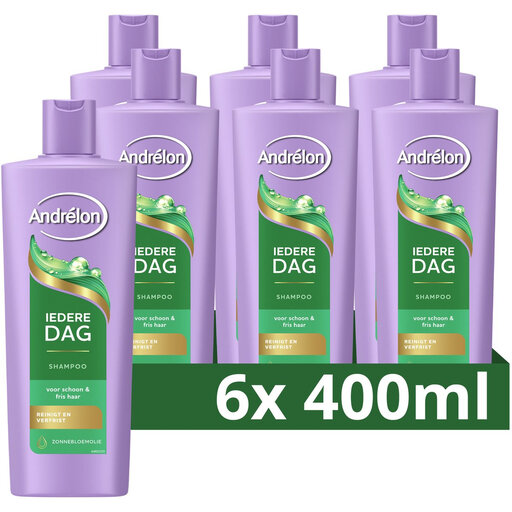
Why it suits this profile: The six 400 ml bottles are intended for daily use and provide a generous supply for a household. The product description positions the formula for normal hair.
You can check the total volume and volume per bottle in advance, rather than looking only at the price of a single bottle.
2,400 ml in total, suitable for daily use and practical as a value pack.
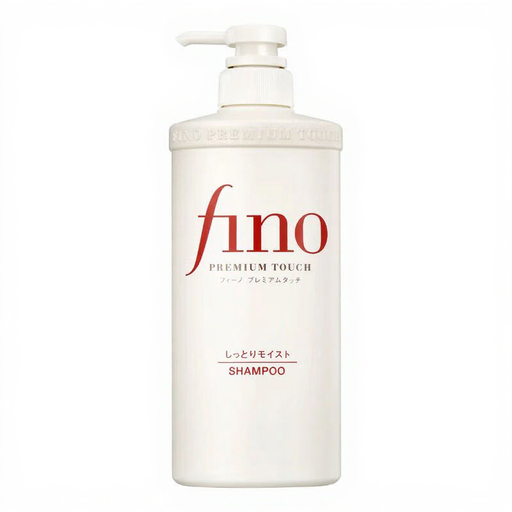
Why it suits this profile: The product specifications mention conditioning for damaged hair, including royal jelly extract, trehalose, PCA and Lipidure EX. The pump packaging is suitable for regular use.
The volume and ingredients are clearly stated, so you do not have to rely solely on a general term such as ‘repairing shampoo’.
550 ml volume, pump dispenser and a formula that, according to the product description, hydrates, conditions and leaves the hair feeling smoother.
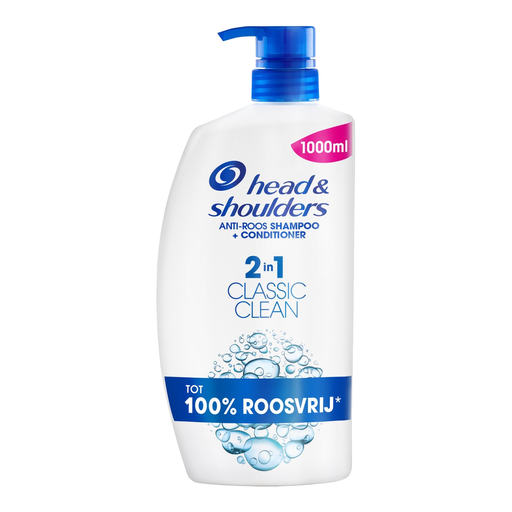
Why it suits this profile: The combination of anti-dandruff shampoo and conditioner is aimed at people who wash their hair frequently and want fewer separate steps. The 1,000 ml pump bottle is suitable for keeping in a permanent place in the bathroom.
The formula states both its anti-dandruff function and conditioning action. This makes it clear what the 2-in-1 solution is designed for.
1,000 ml volume, pump dispenser and a 2-in-1 formula for cleansing and conditioning.
We have put together a complete, up-to-date list of products that fully meet these strict selection criteria and the applicable European safety regulations.
Wet your hair thoroughly and start with a small amount. Gently massage the scalp and rinse thoroughly. Wash your hair as often as your scalp requires; daily washing is not necessary for everyone. According to the label, silver shampoo often needs to be left on briefly, as the purple pigments may otherwise become too strong.
When using a shampoo for hair loss or an anti-dandruff shampoo, do not use a higher dosage than indicated. If symptoms persist, irritation is severe or you notice sudden changes in your hair or scalp, it is advisable to seek medical advice.
According to the product description, an everyday shampoo usually has a milder positioning and is intended for regular washing. Andrélon Shampoo Every Day is available as a 6-pack of 400 ml bottles and, according to the listed specifications, is aimed at normal hair. Always check that your scalp does not react with dryness or sensitivity.
Check the packaging for the expiry date, batch information and the symbol indicating the period after opening, such as 12M. Store shampoo in a cool, dry place away from direct sunlight, with the cap or pump securely closed. A large pack is not practical if you only use it occasionally.
Not necessarily. Divide the total price by the total number of millilitres and compare the result with individual bottles. Also consider delivery costs, storage space and whether you intend to continue using the formula over the long term. This helps prevent you from ending up with a supply that ultimately does not suit your hair.
