
Vandaag of morgen in huis

Kwaliteit gegarandeerd

Welkomstaanbiedingen ontgrendelen: GRATIS bezorging | Tot 80% korting | Gratis 30 dagen JoyPlus-proefperiode
Download de app
Buying a new shampoo might seem straightforward, until you have to choose between an anti-dandruff shampoo, a hydrating formula, baby shampoo or a product for greasy hair. Marketing copy often promises a lot, but not every formula suits your scalp or washing routine.
So pay close attention to ingredients, purpose and size. That way, you can avoid buying a large bottle that doesn’t work well for you, or using an intensive cleanser when your scalp is actually dry and sensitive.
Words like “soothing”, “anti-hair loss” or “dandruff-free” are usually based on information from the brand. Don’t treat such claims as a personal guarantee. According to their own research or product information, Head & Shoulders formulas, for example, may contain piroctone olamine, ceramides, aloe vera or caffeine. That tells you something about the composition, but not automatically how your scalp will react.
For persistent itching, flakes, redness or hair loss, shampoo is not a substitute for medical advice.
A shampoo for greasy hair or a clarifying shampoo removes sebum, styling residue and other build-up. That can be handy for heavy hair or frequent product use, but daily use may be less suitable for a dry scalp.
A formula for daily use is generally designed for regular cleansing. Do check the full ingredients list: “mild” or “for sensitive scalp” doesn’t mean everyone can use the product without irritation.
A bottle of 800 or 1,000 ml might seem good value, but it’s only practical if the formula suits you. A smaller bottle of 200 to 250 ml can be more convenient to try out first. Also pay attention to the shelf life, the period after opening and how you use the product.
Choose a shampoo based on the problem you actually experience:
Don’t just check whether a shampoo is labelled “with aloe vera”, “with ceramides” or “with caffeine”, but also where these ingredients appear on the list. An ingredients list tells you about the presence of substances, but not automatically about their effectiveness.
Look out for, for example:
A 400 ml bottle is suitable for regular use in a household, while a 95 ml travel size is practical for hand luggage or for trying a product first. A multipack of six bottles can be interesting if you have a set routine, but check the total price per 100 ml and the storage space available beforehand.
Generally, massage shampoo gently into wet hair and rinse thoroughly. Avoid contact with the eyes. The exact instructions on the packaging remain the most important guide.
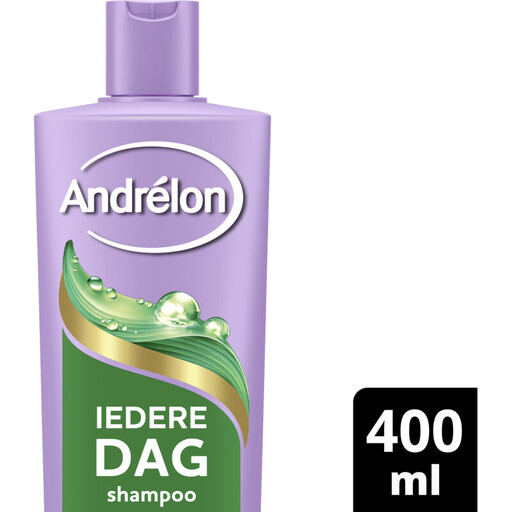
Why this suits the profile: A straightforward choice for adults looking for a daily shampoo for normal use and who find a 400 ml bottle convenient.
The purpose and size are clearly stated. Do check for perfume and citrus allergens in the ingredients list.
400 ml, designed for daily cleansing and, according to the product specifications, enriched with sunflower oil.
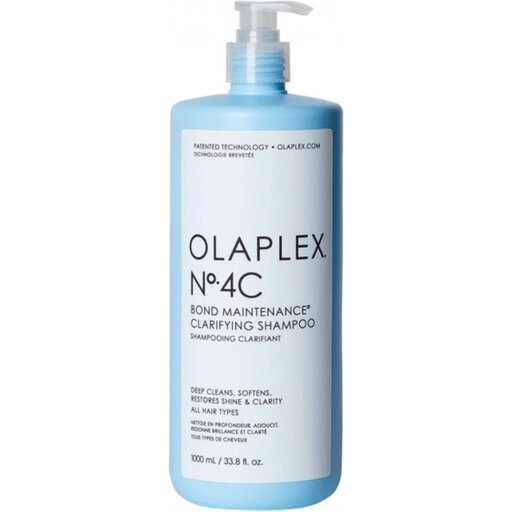
Why this suits the profile: Aimed at those looking for a large bottle and intensive cleansing for product build-up, mineral residue or excess oil.
The product description explicitly mentions deep cleansing. So use it purposefully and not automatically as a daily shampoo.
1,000 ml capacity; according to the product information, vegan and free from sulphates and parabens.
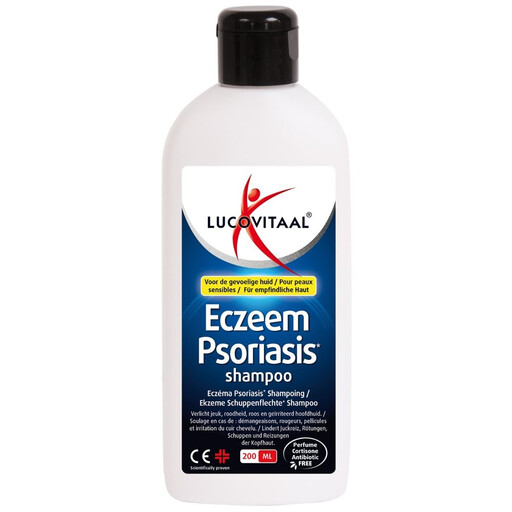
Why this suits the profile: Designed for adults with a doctor-diagnosed eczema or psoriasis-related scalp condition.
The product information states use after diagnosis and a leave-on time of 3–4 minutes. Follow the patient information leaflet and ask for advice if in doubt.
200 ml; according to the product information, free from perfume, soap, cortisones and antibiotics.
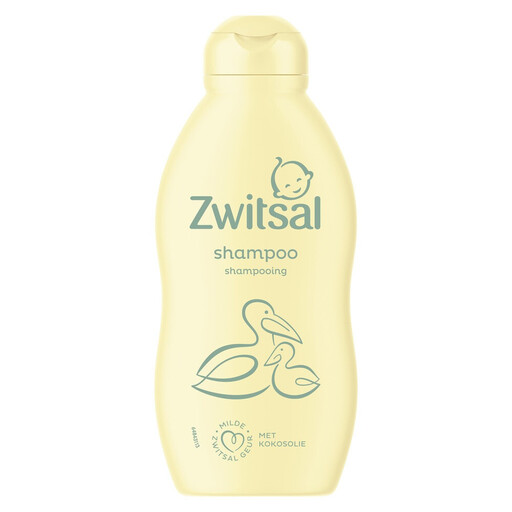
Why this suits the profile: A baby shampoo for parents looking for a formula that, according to the product information, is suitable from birth.
The packaging states 0% sulphate cleansers and dermatologically tested. Check the ingredients and supervise during washing.
200 ml; no-tears formula according to the product description and designed for sensitive baby skin.
We’ve put together a full, up-to-date list of products that fully meet these strict selection criteria and comply with current European safety regulations.
Look at the specific purpose and check for perfume, fragrances and known allergens. A shampoo for sensitive scalp is not automatically suitable for every user. If in doubt, first test a small amount and stop if irritation occurs.
That depends on your scalp, hair type and product. A daily shampoo is designed for regular washing, while a clarifying shampoo is generally used more purposefully. Always follow the label and adjust the frequency if your scalp feels dry or sensitive.
Some brands, including Head & Shoulders and Some By Mi, link their products to hair retention or hair loss. According to these brands’ own claims, the formulas contain, among other things, caffeine, piroctone olamine, peptides or biotin. This is no guarantee of results. For sudden or persistent hair loss, it’s wise to speak to your GP.
