
Vandaag of morgen in huis

Kwaliteit gegarandeerd

Welkomstaanbiedingen ontgrendelen: GRATIS bezorging | Tot 80% korting | Gratis 30 dagen JoyPlus-proefperiode
Download de app
Buying a new shampoo seems simple, until you’re faced with a shelf full of options. Shampoo for dry hair, oily hair, damaged hair, volume or a sensitive scalp: the packaging often promises a lot, but doesn’t always explain what’s relevant for your hair.
Three common pitfalls:
Your scalp determines how often you want to cleanse your hair and how gentle the formula needs to be. For an oily scalp, a shampoo with a clearly cleansing action may be practical. According to the product information, Timotei Shampoo Pure Green Tea Purifying is intended for oily hair, contains 400 ml and is silicone-free.
For a sensitive scalp, a gentle formula with as few potential irritants as possible is often a sensible starting point. Always check the full ingredients list, especially if you’ve previously reacted to perfume, essential oils or certain preservatives.
For dry or damaged hair, you can look for ingredients such as glycerine, shea butter, plant oils or proteins. These ingredients don’t, on their own, mean that hair will be “repaired”, but they may suit a nourishing routine. According to the product description, Andrelon Pro Nature Shea Shampoo contains shea butter, 94% ingredients of natural origin and no sulphates or silicones.
Sulphates such as Sodium Laureth Sulfate and Sodium Lauryl Sulfate cleanse thoroughly and create lather. That isn’t necessarily a bad thing, but it may feel less suitable for a dry or sensitive scalp. A sulphate-free shampoo uses different cleansing agents. So check the full ingredients list rather than looking only at the front of the bottle.
Silicones can make hair feel smoother. If you’re specifically looking for a silicone-free shampoo, you could consider options such as Andrelon Pro Nature Shea or Timotei Pure, provided the current packaging lists the same formulation. Product formulas can change, so always check the label when your order arrives.
Also look out for perfume and fragrance allergens such as limonene, linalool or coumarin. Andrelon Shea Shampoo, for example, lists coumarin. This doesn’t automatically make the product unsuitable, but it is relevant information for consumers who want to avoid this substance.
A 400 ml bottle can be more practical for daily use or for a household with several users. A 200 to 250 ml bottle is easier to take with you or try first. Also consider the recommended frequency of use. A clarifying shampoo for intensive cleansing doesn’t necessarily have the same place in your routine as a shampoo for daily use.
According to the product information, Olaplex No. 4C Clarifying Shampoo is designed to remove product residue, minerals and other impurities. The 1000 ml bottle is intended for long-term use. If you use lots of styling products or live in a hard-water area, this type of cleansing shampoo can be useful, but use it according to the label and pay attention to how your hair and scalp respond.
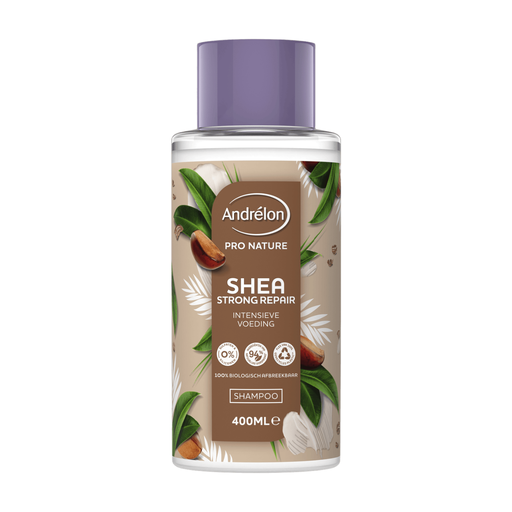
Why it suits this profile: A generous bottle with a sulphate- and silicone-free formula for anyone looking for a simple hair-care routine for hair that feels dry or damaged.
The product information clearly states the formula, size and absence of sulphates and silicones. However, check the current packaging before use and look out for coumarin.
400 ml; contains shea butter; 94% ingredients of natural origin according to the product description; vegan according to the product specifications.
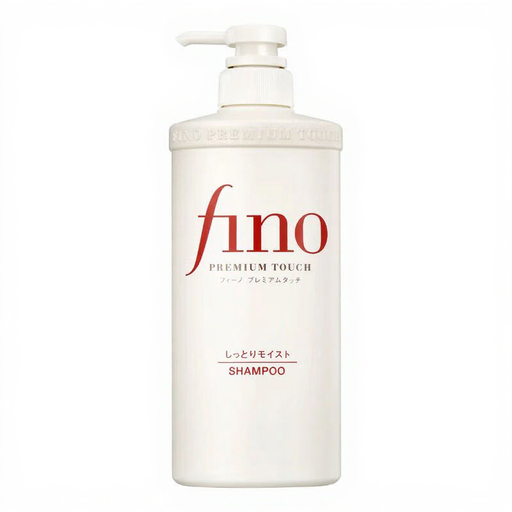
Why it suits this profile: For consumers looking for a larger bottle and a nourishing shampoo suitable for different hair types.
The product information states that it contains 550 ml, comes in a pump bottle and has an ingredients list. However, the formula contains sulphates, perfume and dimethicone, so check whether it suits your preferences.
550 ml; pump bottle; intended for all hair types according to the specifications; ingredients such as glycerine, PCA and royal jelly extract.
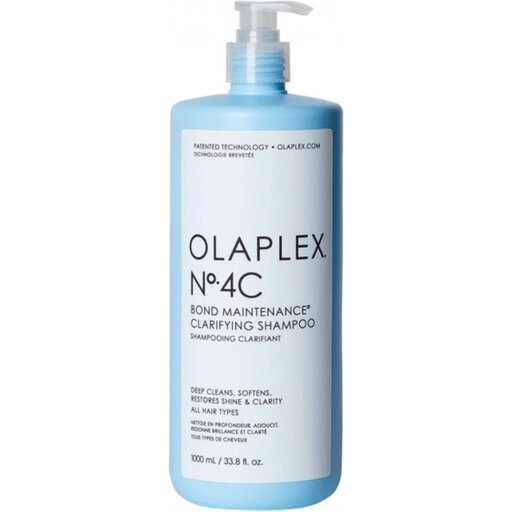
Why it suits this profile: A suitable option if you regularly use styling products or are looking for a shampoo for intensive cleansing.
Its use is clearly focused on removing product residue, minerals and impurities. Don’t automatically use a clarifying shampoo every time you wash your hair; follow the label.
1000 ml; designed for deep cleansing according to the product information; vegan according to the product specifications; suitable for coloured and chemically treated hair according to the description.
We’ve put together a complete, up-to-date list of products that fully meet these strict selection criteria and the applicable European safety regulations.
Look for a moisturising shampoo containing ingredients such as glycerine, shea butter or plant oils. Avoid very strong cleansing if your hair feels tight afterwards. A shampoo for damaged hair may contain nourishing ingredients, but no shampoo can permanently repair split ends. A conditioner or hair mask can provide extra care for the lengths.
That depends on your scalp, hair texture and the formula. A gentle shampoo for daily use can be practical if you sweat a lot or your hair becomes oily quickly. Focus on washing the scalp and let the lather run through the lengths. If you have dry hair, washing less often may feel more comfortable.
Choose a baby shampoo that is clearly intended for babies and children, and follow the age and safety information on the packaging. According to the product description, Naïf Nourishing Shampoo for Babies & Kids is free from SLS/SLES, parabens, mineral oil and microplastics. Zwitsal Anti-Prick Shampoo Mini Travel Size, at 75 ml, is compact for travelling. Always check the ingredients and stop using the product if irritation occurs. If symptoms persist, it is advisable to seek medical advice.
