
Vandaag of morgen in huis

Kwaliteit gegarandeerd

Welkomstaanbiedingen ontgrendelen: GRATIS bezorging | Tot 80% korting | Gratis 30 dagen JoyPlus-proefperiode
Download de app
Buying a new shampoo seems simple, but products vary considerably in terms of cleansing power, conditioning ingredients, size and intended use. A formula for an oily scalp will not automatically feel comfortable on dry or curly hair. Terms such as “repair”, “shine” and “natural” only tell you something when you also check the ingredients list and product information.
Words such as repair, extra volume or intense shine sound clear, but shampoo alone cannot literally restore already damaged hair to its original condition. According to brands’ own research or product information, ingredients such as keratin, glycolic acid and oils may contribute to a particular look or feel. Treat this as a product feature rather than a guarantee.
Your lengths may be dry while your scalp becomes oily quickly. A shampoo for dry hair is not always suitable for the roots. Conversely, a highly cleansing or clarifying shampoo may leave the lengths feeling less comfortable. First decide where your needs lie: scalp, hair lengths or both.
A sulphate-free shampoo may provide a gentler washing experience, but that does not automatically mean the formula is suitable for every hair type. “Vegan” mainly says something about the origin of the ingredients, not directly about cleansing power. Also check that a claim on the product page matches the packaging. Ingredients lists can be updated; the packaging contains the most current information.
Look at the first ingredients in the list. Cleansing agents such as sodium laureth sulfate, cocamidopropyl betaine and milder surfactants partly determine how thoroughly the shampoo cleanses.
The right frequency depends on sebum production, styling products, exercise and personal preference. More lather does not automatically mean better cleansing.
With a shampoo for damaged hair, you will often see ingredients such as hydrolysed proteins, keratin, glycerine, silicones and oils. These can make the hair feel smoother, softer or easier to comb. Silicones are not inherently bad, but with some routines they can leave the hair feeling heavy or cause build-up.
Do you use a lot of wax, gel or dry shampoo? An occasional clarifying shampoo can then help wash away product residue and excess oil. A product such as Uppercut Detox & Degrease is described in the product information as being intended for this type of residue. Do not automatically use an intensive cleansing formula every time you wash your hair if it leaves your hair feeling dry.
A 1000 ml bottle may seem good value, but it is only practical if you like the formula and will use enough of it. For a first purchase, 250 ml shampoo may be easier to manage. If you share a household or often use the same shampoo, you could consider shampoo 400 ml, 550 ml, 800 ml or shampoo 1000 ml.
Bear in mind:
The choices below are based on verifiable product information, such as size, ingredients and the uses described by the brand. They are not a general ranking.
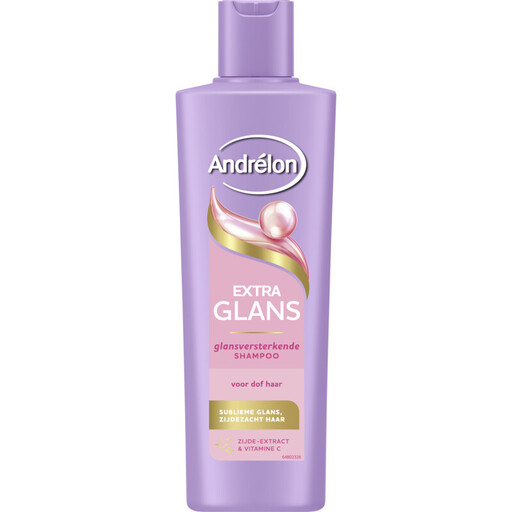
Why it suits this profile: A familiar 250 ml size for anyone wanting to try a shine shampoo without immediately buying a large supply.
The size is clearly stated, and the ingredients list shows that the formula contains sodium laureth sulfate, dimethiconol, argan oil, silk amino acids and vitamin C, among other ingredients. This lets you compare the shine claim with the formulation.
250 ml size; silk amino acids, argan oil, panthenol and ascorbic acid are listed in the stated formulation.
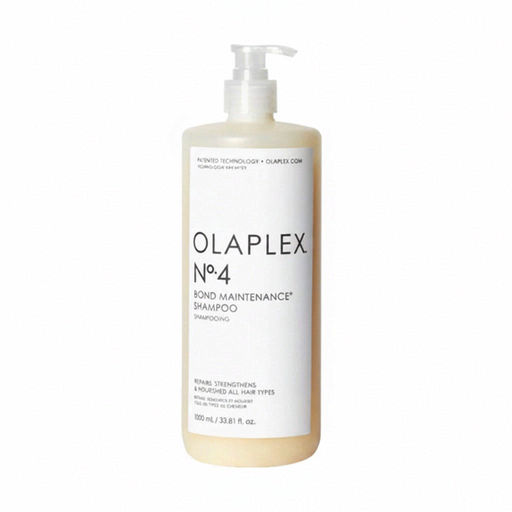
Why it suits this profile: A large bottle for anyone looking for a sulphate-free shampoo for regular use who already knows that this formula suits their routine.
The product information explicitly mentions sulfate-free, colour-safe and vegan. Check the current packaging if these properties are decisive for you.
1000 ml size; the stated formula contains mild cleansing agents, glycerine, panthenol and hydrolysed plant protein, among other ingredients.
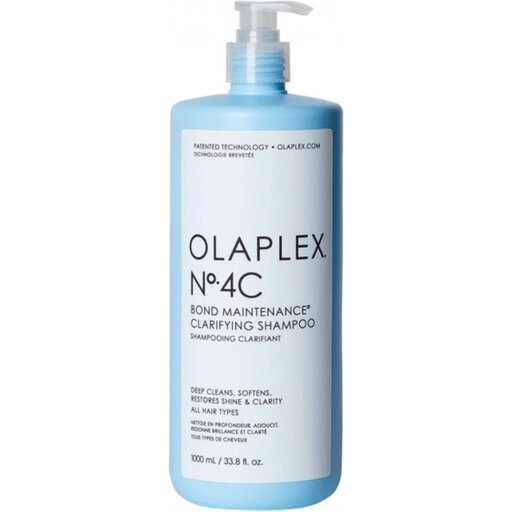
Why it suits this profile: Designed for users who regularly use styling products or want to incorporate a deep cleanse into their haircare routine.
The product description positions this as a deep-cleansing shampoo for product build-up, minerals and impurities. This makes its intended use clearer than a general shine claim.
1000 ml size; vegan and sulphate-free according to the supplied product information.
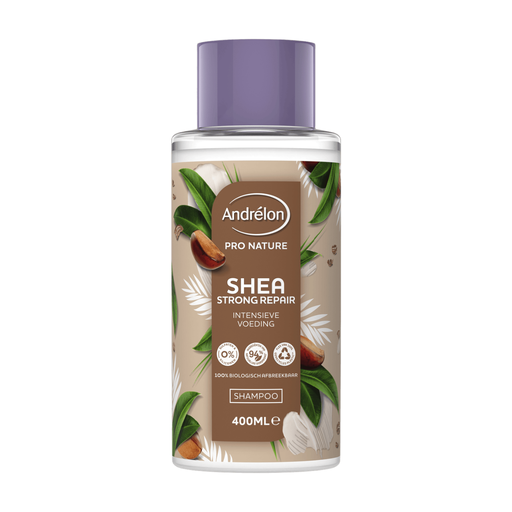
Why it suits this profile: A 400 ml size for anyone wanting to use a conditioning shampoo for dry hair without immediately opting for a one-litre bottle.
The product information states 0% sulphates and silicones and 94% ingredients of natural origin. The ingredients list includes shea butter, coconut oil and glycerine, among others.
400 ml size; vegan according to the supplied product details; a formula without sulphates or silicones according to the product description.
We have compiled a complete, up-to-date list of products that fully meet these strict selection criteria and the applicable European safety regulations.
It depends on your scalp, hair length, exercise and use of styling products. An oily scalp may require more frequent washing than dry hair. Choose the formula based on how your scalp and hair feel after washing, not just on the name on the bottle.
Check the shelf-life information and the open-jar symbol showing the period of use after opening on the packaging. Store shampoo in a dry place, tightly closed and away from direct sunlight. Exact information may vary from one product to another.
Not necessarily. A professional shampoo may have a specialised formula or a larger bottle, but always compare the ingredients, size, directions for use and price per 100 ml. For occasional use, a 250 ml shampoo may work out better value than a large bottle that ends up unused.
