
Vandaag of morgen in huis

Kwaliteit gegarandeerd

Welkomstaanbiedingen ontgrendelen: GRATIS bezorging | Tot 80% korting | Gratis 30 dagen JoyPlus-proefperiode
Download de app
Buying a new shampoo might seem straightforward – until you’re faced with formulas for dry hair, oily hair, breakage, dandruff or damaged lengths. Products often promise repair, more volume or less hair loss, but those words don’t automatically mean the formula is right for your scalp and hair type.
With this practical guide, you’ll learn to focus on verifiable product information, such as ingredients, volume, intended use and warnings. That way, you can avoid spending money on an expensive bottle that ends up unused after just a few washes.
Words like “repair”, “bond”, “strength” and “anti-breakage” usually refer to the formula’s intended purpose. They are not a guarantee that split ends will be permanently fixed or that hair loss will stop. According to a brand’s own research, certain results may be mentioned, but always check the conditions. A claim might, for example, only apply when used with a conditioner or a full product range.
With a shampoo for hair loss, extra caution is needed. Shampoo is rinsed out and is primarily designed to cleanse the hair and scalp. If you’re experiencing persistent hair loss, itching or irritation, it’s wiser to seek advice from a GP or other healthcare professional rather than simply switching products.
The front often highlights keratin, oil, proteins or plant extracts. The full ingredients list tells you much more about the formula. Look out for:
A keratin shampoo or bond repair shampoo might be interesting for brittle lengths, but the effect also depends on how often you wash, your styling routine and your conditioner.
A 1,000 ml or 1,500 ml bottle might seem like good value, but it’s not always practical in a small bathroom or if you only use it occasionally. Compare the price per 100 ml and check the shelf life after opening. A value pack of shampoo is mainly useful for households with multiple users, salons, or people who already know they love the formula.
First, decide what you need the shampoo for:
Sulphates are not necessarily bad, but they can feel too harsh for some people who wash daily or have a sensitive scalp. Sulphate-free formulas are often gentler, but that doesn’t automatically mean they’re suitable for every hair type.
Wash your hair based on how quickly your scalp becomes oily. The lengths usually need less cleansing than the roots. Rinse thoroughly and avoid contact with the eyes. If irritation occurs, stop using the product; always check the warnings on the packaging.
Don’t just compare 250 ml bottles with each other. Convert to price per 100 ml and note the number of bottles in a multipack. A salon size is efficient for regular use, but a smaller bottle makes more sense when you want to try a new formula first.
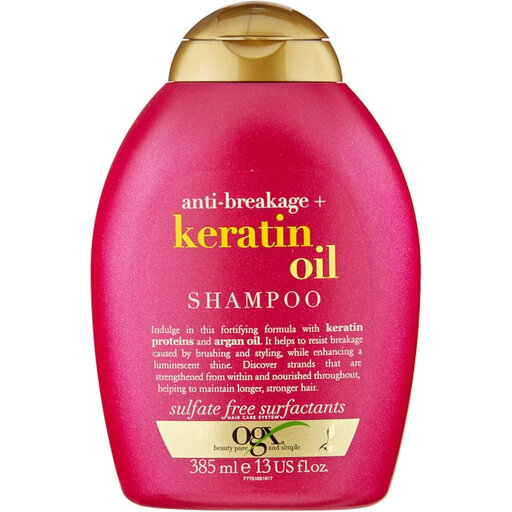
Why this fits the profile: A straightforward 385 ml bottle for anyone wanting to try a shampoo for brittle or frizzy hair without committing to a large size straight away.
The product description mentions keratin and argan oil, but doesn’t present this as a medical treatment. Check the full ingredients list if you want to avoid fragrance or certain preservatives.
385 ml volume; keratin and argan oil listed in the product information; designed for a smoother, stronger-looking result according to the brand description.
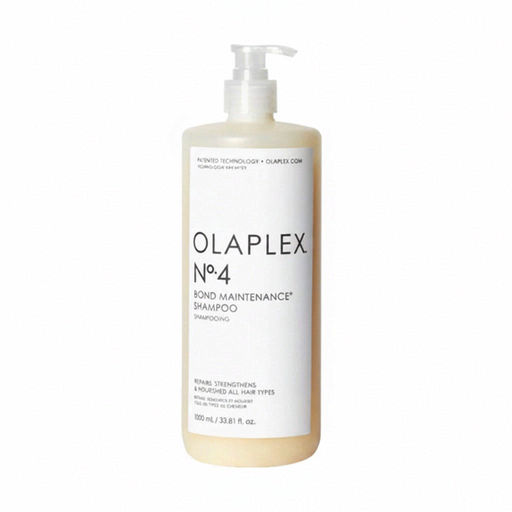
Why this fits the profile: The large size suits frequent use, coloured hair, or a household where several people use the same formula.
According to the product information, the formula is sulphate-free and suitable for coloured hair. The claim about reduced breakage comes from the brand’s product communication and is not a guarantee for every hair type.
1,000 ml volume; sulphate-free formula; product description states it’s suitable for all hair types and coloured hair.
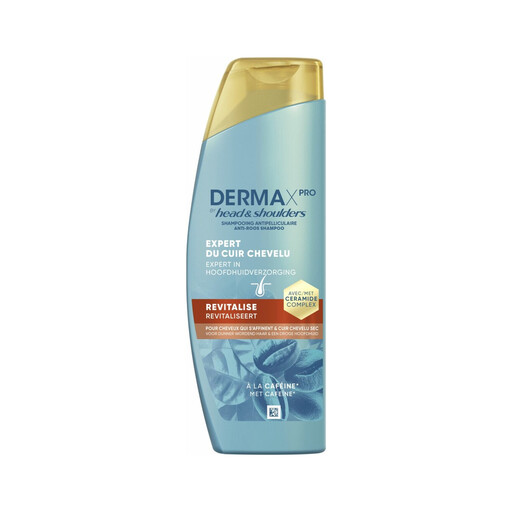
Why this fits the profile: For adults who want to tailor their hair care mainly to a dandruff-prone scalp and prefer a compact bottle.
Piroctone olamine is listed in the ingredients. The product description also mentions caffeine and a ceramide complex; these brand claims should not be read as medical treatment.
250 ml volume; anti-dandruff purpose according to product specification; piroctone olamine listed as an ingredient.
We’ve put together a full, up-to-date list of products that fully meet these strict selection criteria and comply with current European safety regulations.
Look for a formula with conditioning ingredients, glycerine, oils, proteins or keratin. A repairing shampoo still primarily cleanses the scalp. Use a conditioner or mask for extra care on the lengths, and limit heat styling if your hair breaks easily.
That depends on how much styling product, oil and mineral build-up you have in your hair. Use a clarifying shampoo more as a periodic deep clean rather than a standard product for every wash. With dry, coloured or curly hair, using it too often can leave your hair feeling rougher.
Not always. Compare the total price with the volume and convert to price per 100 ml. A pack like a Gliss Kur shampoo or Syoss multipack can be practical for regular use, while a professional shampoo of 1,000 or 1,500 ml mainly makes sense for salons and larger households. Also check the shelf life and store the bottle according to the instructions on the packaging.
