
Vandaag of morgen in huis

Kwaliteit gegarandeerd

Welkomstaanbiedingen ontgrendelen: GRATIS bezorging | Tot 80% korting | Gratis 30 dagen JoyPlus-proefperiode
Download de app
A new shampoo may seem like a simple purchase, but products vary widely in how they cleanse and condition, how much they contain and how often they should be used. A hydrating shampoo for dry hair, for example, needs different qualities from a shampoo for fine hair or a clarifying shampoo for product build-up.
If you rely only on words such as “repairing”, “natural” or “extra shine”, you could end up paying more than you need to for a formula that isn’t right for your hair or scalp. Use these practical points to compare shampoos based on information you can check.
Claims such as “up to 100% stronger hair”, “anti-hair loss” and “repairs from within” are often based on the brand’s own research or tests. A brand’s research may show these results under specific conditions, such as when using a full product range. So don’t assume they’ll apply to every user.
Shampoo mainly cleanses your scalp and hair. If you have persistent hair loss, itching or irritation, shampoo is no substitute for advice from a doctor or dermatologist.
A natural shampoo may contain plant oils or extracts, but it can also contain fragrances that don’t suit every scalp. Check the full ingredients list and look for certifications, fragrance and cleansing agents. “100% natural” on its own tells you nothing about how your skin will react.
A deep-cleansing shampoo can be useful if you use a lot of styling products, but daily use may not suit some hair types. A clarifying shampoo is generally designed for occasional use. A gentle daily shampoo makes more sense if you wash your hair often or have a sensitive scalp.
Start with one main concern. For example, choose:
Sulphate-free shampoo doesn’t contain sulphates such as sodium laureth sulphate or sodium lauryl sulphate. That doesn’t automatically make the formula better or gentler for everyone, but it may suit you if you have curly or coloured hair, or a scalp that tends to feel dry.
A silicone-free shampoo doesn’t contain silicones such as dimethicone. Some people choose this for a lighter or more natural feel. Others prefer silicones because they can make hair feel smoother and easier to comb.
Always check the ingredients on the packaging. Brands can change their formulas. For example, the product information for L’Oréal Elvive Glycolic Gloss specifically states that ingredients lists are updated regularly.
Don’t compare the shelf price alone. Divide the price by the volume and check how many bottles are included. The selected products range from 250 ml to 550 ml. Syoss Repair Shampoo, for example, is available in a pack of six 440 ml bottles, giving you 2,640 ml in total. A multipack like this is most practical if you already know the formula suits you and you have enough storage space.
Also check how long the product keeps after opening. Some products, for example, show 6M or 12M. Follow the directions and safety instructions on the label too, such as avoiding contact with your eyes.
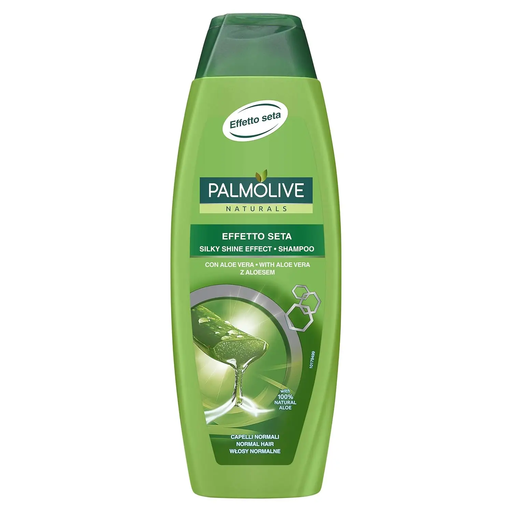
Why it suits this profile: An affordable formula for anyone looking for a shampoo for regular use, with aloe vera and a 350 ml capacity.
The product information clearly states the volume, mentions aloe vera and says it’s suitable for frequent use, without making a complicated routine a requirement.
350 ml; aloe vera; designed to leave hair soft and shiny; suitable for frequent use according to the product description.
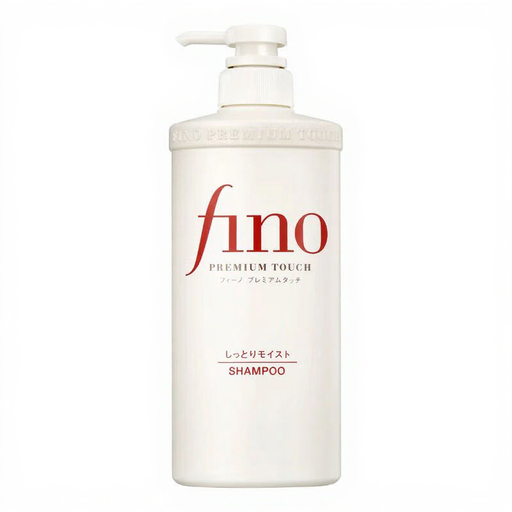
Why it suits this profile: A good option if you’re looking for a larger bottle and a conditioning shampoo for dry or damaged hair.
The description names specific ingredients such as royal jelly extract, PCA, glutamate and Lipidure EX. Check the current packaging for the full list.
550 ml; pump bottle; designed to hydrate, smooth and condition damaged hair according to the product description.
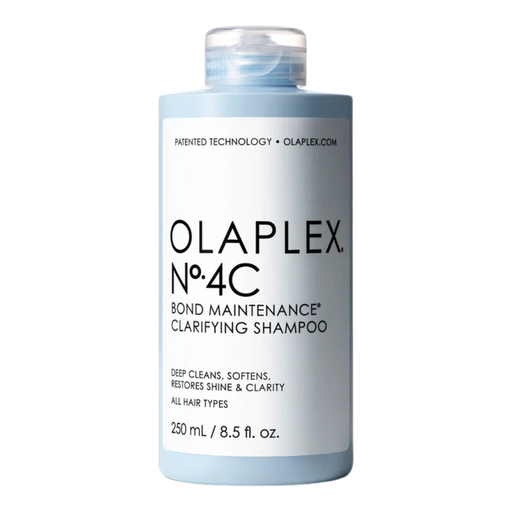
Why it suits this profile: For anyone who wants to remove styling products, hard water residue or other build-up from time to time.
The product information recommends weekly use and clearly states which types of build-up the formula helps remove. This makes its intended use clearer than using a strong cleanser every day.
250 ml; sulphate-free and pH-neutral formula according to the product information; designed to deeply cleanse hair and scalp.
We’ve put together a complete, up-to-date list of products that meet these strict selection criteria and current European safety regulations.
You don’t automatically need to use a large amount. Wet your hair thoroughly, work the shampoo mainly into your scalp and rinse well. The lengths are usually cleansed sufficiently as the lather rinses through. If your hair is dry or damaged, using conditioner after washing can help with combing.
Use a shampoo for sensitive scalps according to the instructions on the packaging. Stop using it if you experience a burning sensation, swelling or persistent irritation. Seek medical advice if the symptoms continue.
It depends on oil production, hair texture, exercise, styling and personal preference. A gentle formula may be suitable for regular use. A clarifying shampoo is usually used less often, for example weekly, according to the product instructions.
Check the symbol on the packaging. A label such as 12M generally means the product can be used for twelve months after opening. Store shampoo in a dry place, close the packaging securely and always follow the information on the label.
Not necessarily. Compare the volume, recommended amount and how often you’ll use it. A 550 ml bottle may cost less per millilitre than a smaller one, but only if the formula is actually right for your hair. A cheaper shampoo you don’t like won’t save you money in the long run.
