
Vandaag of morgen in huis

Kwaliteit gegarandeerd

Welkomstaanbiedingen ontgrendelen: GRATIS bezorging | Tot 80% korting | Gratis 30 dagen JoyPlus-proefperiode
Download de app
Buying a new shampoo seems simple, until you have to choose between nourishing, repairing, sulphate-free and professional formulas. Marketing copy often promises shine, repair or fuller-looking hair, but the right choice mainly depends on your scalp, hair lengths and washing routine.
Watch out for these common pitfalls before you order:
A shampoo for an oilier scalp is designed to remove sebum, styling residue and dirt thoroughly. If you have dry lengths, however, a formula that cleanses too intensively can leave the ends feeling coarse. Therefore, focus on washing the scalp and allow the lather to run through the lengths as you rinse.
Milder cleansers and conditioning ingredients are often a better choice for a dry or tight-feeling scalp. For dry hair, you could look for glycerine, oils, shea butter or conditioning agents. This does not automatically make a product suitable for everyone; fragrances and certain preservatives may cause irritation for some users.
According to the product description, Andrelon Pro Nature Shea Shampoo contains 0% sulphates and silicones and 94% ingredients of natural origin. The product information also mentions a vegan formula and a 400 ml contents. Always check the current packaging before buying, as ingredients lists can change.
A sulphate-free shampoo does not contain commonly used sulphate cleansers such as sodium laureth sulphate or sodium lauryl sulphate. This may be relevant if you are looking for gentler cleansing or your hair tends to feel dry quickly. However, sulphates are not necessarily unsuitable: they can be useful for an oily scalp or when you use a lot of styling products.
Silicones can make hair feel smoother and help with detangling. If you prefer to avoid silicones, check the ingredients list rather than relying solely on the front of the packaging.
For grey, white or light blonde hair, a silver shampoo containing violet pigments can help visually neutralise yellow or brassy tones. This is not an ordinary everyday shampoo: leaving it on for too long or using it too often can affect the colour tone. Follow the recommended application time on the packaging.
Ingredients such as oils, proteins and conditioning agents are common in products for coloured, dry or damaged hair. A shampoo for coloured hair may focus on colour retention, while a repairing shampoo is primarily intended to leave hair feeling smoother and more cared for. Claims about hair breakage or repair are brand claims; do not treat them as guaranteed results.
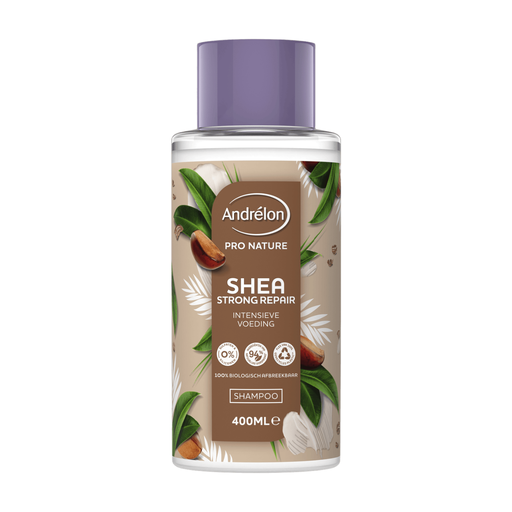
Why it suits this profile: A straightforward choice for anyone wanting to try a nourishing shampoo without sulphates or silicones.
The formula characteristics mentioned are clearly stated in the product information. Check the current ingredients list before ordering.
400 ml contents; according to the product description, 0% sulphates and silicones, with shea butter and 94% ingredients of natural origin.
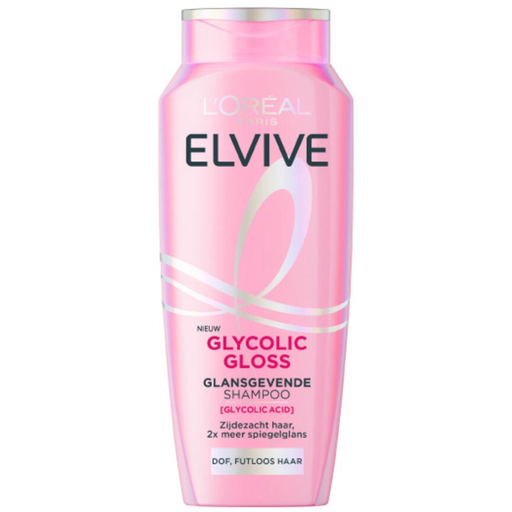
Why it suits this profile: Designed for dull and porous hair when you want a smoother feel and enhanced shine.
The product description states that it has a sulphate-free formula. The promised shine is a brand claim, not a guaranteed result for every hair type.
250 ml; glycolic acid is listed as an ingredient; according to L'Oréal, intended to leave hair feeling smoother and shinier.
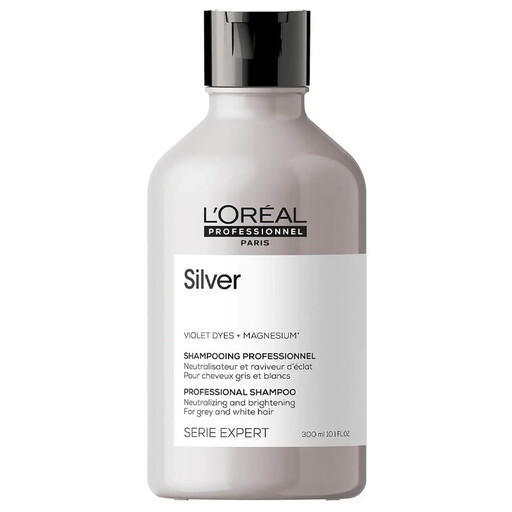
Why it suits this profile: For adults with grey, white or light blonde hair who want to maintain a cooler colour appearance.
The target audience and violet pigments are clearly described. Do not leave the shampoo on for longer than instructed on the packaging.
300 ml; according to the product description, with violet pigments to neutralise yellow and brassy tones.
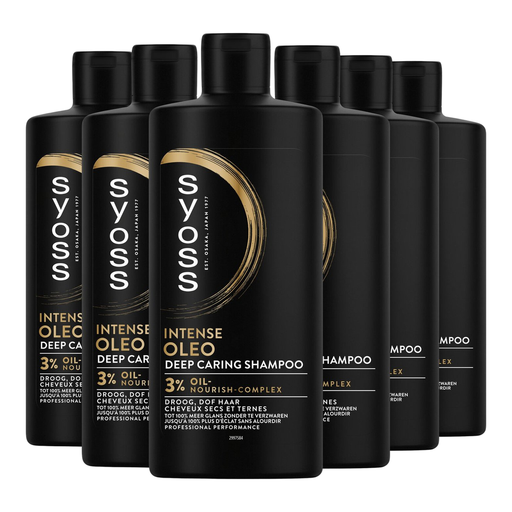
Why it suits this profile: Handy for households that wash their hair regularly and prefer to stock up in one go.
The total contents and number of bottles are clearly stated: six 440 ml bottles. Compare the price per 100 ml with individual bottles.
Total contents 2640 ml; according to the product description, with 3% Oil-Nourish-Complex and designed for dry and dull hair.
We have put together a complete, up-to-date list of products that fully meet these strict selection criteria and the applicable European safety regulations.
Use a small amount each time you wash your hair and only add more if necessary. Massage the shampoo mainly into the scalp and rinse thoroughly. For dry or damaged hair, applying conditioner to the lengths is often more practical than using extra shampoo.
A shampoo for hair loss should be assessed carefully. If a brand claims in its own product description that it reduces hair loss or supports hair growth, this is not a medical guarantee. If you experience sudden or persistent hair loss, it is better to consult your GP. Also stop using the product if you experience itching, swelling or redness.
The same applies to a dandruff-free shampoo for a sensitive scalp: first check exactly what the term means. “Free from dandruff” is not a defined effect. Look at the ingredients, directions for use and any warnings on the label.
Choose a formula with conditioning ingredients such as glycerine, shea butter or oil, and combine it with conditioner if needed. A shampoo for dry hair should cleanse the scalp without leaving the lengths feeling rough. Try a new formula for a few washes before buying a large pack.
This depends on your scalp, sporting activities, styling products and hair type. An oily scalp may require more frequent washing, while dry or curly hair may benefit from longer intervals. Do not use extra shampoo to compensate for a product that is not suitable; instead, choose a formula that fits your routine.
A multipack may offer a lower price per millilitre, but always compare the total contents, delivery costs and shelf life after opening. A value pack makes most sense when you already know the product and the formula is suitable for everyone in your household.
