
Vandaag of morgen in huis

Kwaliteit gegarandeerd

Welkomstaanbiedingen ontgrendelen: GRATIS bezorging | Tot 80% korting | Gratis 30 dagen JoyPlus-proefperiode
Download de app
Buying a new shampoo sounds simple until you have to choose between colour protection, nourishment, a sensitive scalp, dandruff or oily roots. Marketing copy does not always make it clear which features are relevant to your hair. For example, a shampoo for dry hair may feel too heavy on fine hair, while a strongly cleansing formula can be unnecessarily drying when used every day.
As a Joybuy Product Recommendation Officer, I filter the most important product specifications and turn them into practical choices. This helps you compare shampoos based on how they are used, their size and their formula, rather than relying solely on the packaging or advertising claims.
Not every shampoo for colour-treated hair does the same thing. A colour-protecting shampoo is intended for hair with a permanent or semi-permanent colour. A silver or purple shampoo, on the other hand, contains pigments that, according to the brand’s product description, help visually neutralise unwanted yellow or brassy tones.
So do not automatically use silver shampoo with every shade of blonde. The formula is mainly intended for blonde, grey, white or highlighted hair. For red, brown or fantasy colours, an ordinary colour-protecting shampoo may be a better choice.
‘Naturally derived’ does not, by itself, tell you whether a shampoo is suitable for your scalp or hair type. Plant oils and extracts can also contain a fragrance ingredient that you are sensitive to. Always check the ingredients list and directions for use.
When choosing shampoo for a sensitive scalp, pay particular attention to perfume, essential oils and known fragrance allergens. A mild shampoo is not automatically irritation-free for everyone.
A clarifying shampoo is designed to remove product build-up, excess oil or mineral deposits. This can be useful if you use a lot of styling products or have a scalp that becomes oily quickly. However, deep cleansing is not always necessary every time you wash your hair.
Check the recommended usage on the packaging. A nourishing shampoo or shampoo for dry hair is usually a more logical choice when your hair mainly feels rough, frizzy or brittle.
Start with your main need:
A 440 ml bottle may seem good value, but always compare the price per 100 ml. Also consider multipacks: a multipack is only practical if you regularly use that particular variant and observe the product’s shelf life after opening.
The products available range from 250 ml to 1,000 ml. A smaller bottle is useful for trying out a new formula, while a larger pack is better suited to an established routine or a household with several users.
Check the following before buying:
For example, according to its own product description, Andrelon states that it contains purple pigments for blonde, grey and highlighted locks. For Head & Shoulders, the anti-dandruff and itch claims mentioned are based on information from the brand and the studies described alongside it. Treat such statements as product information, not as a guaranteed personal result.
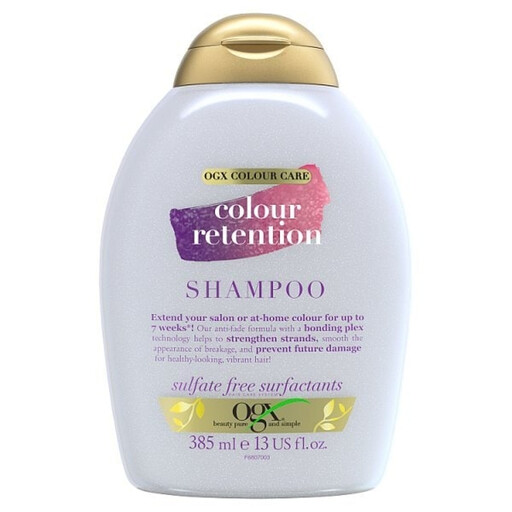
Why it’s a good fit: A practical choice for adults looking for one everyday shampoo suitable for different hair types, while keeping colour protection in mind.
The variant is clearly labelled Colour Protect. This makes its purpose easier to compare than that of a general shampoo with a vague shine claim.
385 ml, suitable for all hair types according to the product details. The packaging also states that it is paraben-free and dermatologically tested.
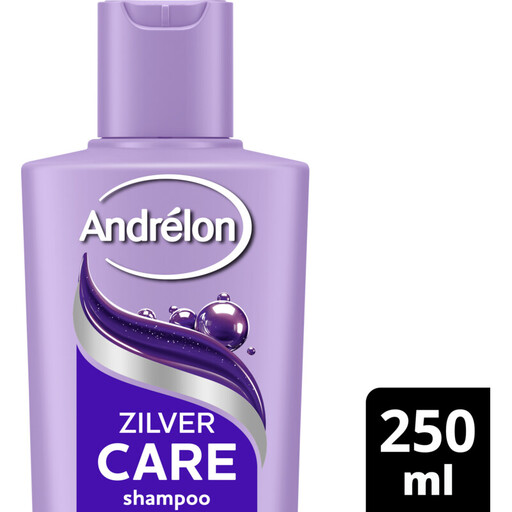
Why it’s a good fit: For blonde, grey or highlighted hair when you are looking for a purple shampoo with colour-correcting pigments.
The purple pigments and intended user group are stated explicitly in the product information. Use as directed on the label and avoid contact with the eyes.
250 ml, with purple pigments, a vegan formula and no parabens listed.
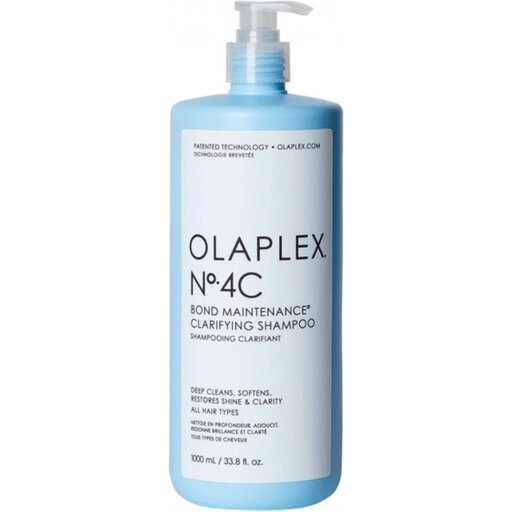
Why it’s a good fit: For anyone who regularly uses styling products or is looking for a large bottle for an established hair-care routine.
The variant is explicitly a clarifying shampoo. This makes it clear that it is intended for deeper cleansing and not necessarily for every daily wash.
The bottle contains 1,000 ml. The product description mentions use for product build-up and a vegan, sulphate-free and paraben-free formula.
Browse a current selection of shampoo variants and compare size, purpose and product specifications before ordering.
For shampoo for dry hair, options such as Garnier Loving Blends Argan & Camellia, Garnier Rich Argan or the Honey Gold formula may suit the target group described. For damaged and brittle hair, Garnier describes Honey Gold as a conditioning formula containing honey and beeswax. This is information from the manufacturer; results may vary from person to person.
If you have an oily scalp, you could consider Garnier Magnetic Charcoal. According to Garnier’s product description, this variant is designed to cleanse an oily scalp and hydrate the lengths of the hair. A dry shampoo such as Andrelon Brunette Care is particularly useful between washes and contains brown colour pigments to help reduce visible white residue on brown hair, according to the product information.
For colour protection, L’Oréal Elvital Color Shine, OGX Colour Retention, Palmolive Brilliant Color and Gliss-Kur Ultimate Color are logical variants to compare side by side. Pay particular attention to size, price per 100 ml and any additional instructions. For blonde hair with warm tones, L’Oréal Professionnel Silver, Andrelon Silver Care and Syoss Intense Blonde are examples of shampoos containing purple or violet pigments.
It depends on your scalp, hair length, sporting activities and styling products. Wash your hair when it visibly looks greasy or feels heavy. If your hair is dry or colour-treated, washing it less often may help keep your routine simpler. Always follow the label when using specialised formulas.
Not automatically. Silver shampoo contains pigments and is designed for colour correction. Check the recommended frequency and any development time on the packaging. If you wish, alternate it with an ordinary shampoo for colour-treated hair or a nourishing shampoo.
Not necessarily. Divide the price by the number of millilitres and then compare the price per 100 ml. A 1,000 ml bottle can be cost-effective if you use it regularly, but a smaller pack reduces waste if the formula does not suit your hair. Also check the product’s shelf life after opening.
