
Vandaag of morgen in huis

Kwaliteit gegarandeerd

Welkomstaanbiedingen ontgrendelen: GRATIS bezorging | Tot 80% korting | Gratis 30 dagen JoyPlus-proefperiode
Download de app
Shampoo may seem like a simple product, but there are major differences in formula, contents and intended use. If you choose based solely on scent, packaging or a striking claim, you could end up with a bottle that is not suitable for your hair or scalp. A good choice therefore starts with your everyday needs: do you want to tackle dandruff, maintain colour, cleanse oily hair or care for dry and damaged hair?
Terms such as “repair”, “against hair loss” or “up to 100% dandruff-free” sound clear, but they do not always tell you what to expect in your situation. According to Head & Shoulders’ own research, certain anti-dandruff formulas can visibly reduce dandruff when used regularly. This is not a guarantee for every user and is not a medical claim.
Always check the full product description, ingredients list and instructions for use. If itching, redness or flaking persists, shampoo is not a substitute for advice from a doctor or pharmacist.
Dry hair and an oily scalp can occur at the same time. A rich shampoo for dry hair may feel heavy on a scalp that becomes oily quickly, while a strongly cleansing formula can make dry hair feel rougher. Consider both factors:
A shampoo multipack or salon-size bottle may seem appealing, but it is not automatically better value. Compare the price per 100 ml and check whether you want to use the formula for an extended period. A 1500 ml bottle is practical for a salon or a household with several users, but less convenient if you like to alternate between products regularly.
Check whether the formula contains ingredients suited to your objective. Piroctone olamine, for example, is found in various anti-dandruff shampoo formulas. A shampoo for sensitive scalps may benefit from a simpler formula without fragrance or soap, as with certain products for dry and irritated scalps.
Also look out for substances you would rather avoid. In the product information, you can check whether a shampoo is sulphate-free, paraben-free, silicone-free or fragrance-free. These characteristics alone do not determine whether a product is right for you; your hair structure and personal tolerance remain important.
The most common sizes in the range are approximately 200 to 400 ml, 1000 ml and multipacks containing several bottles. Choose:
A pump bottle can be practical in the shower, while smaller bottles are easier to store. After purchasing, always check the expiry and usage information on the packaging.
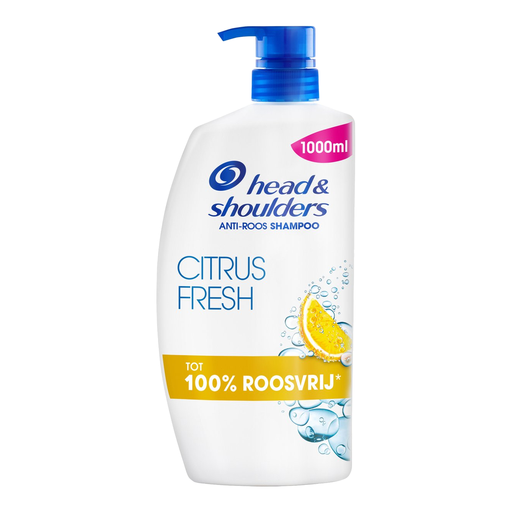
Why it suits this profile: The 1000 ml size is suitable for daily use if you are looking for a regular anti-dandruff shampoo without buying several bottles at once.
The product information clearly states the variant, contents and ingredients. This allows you to compare the formula rather than choosing based solely on the fresh citrus scent.
1000 ml contents; piroctone olamine in the ingredients list; intended for anti-dandruff care.
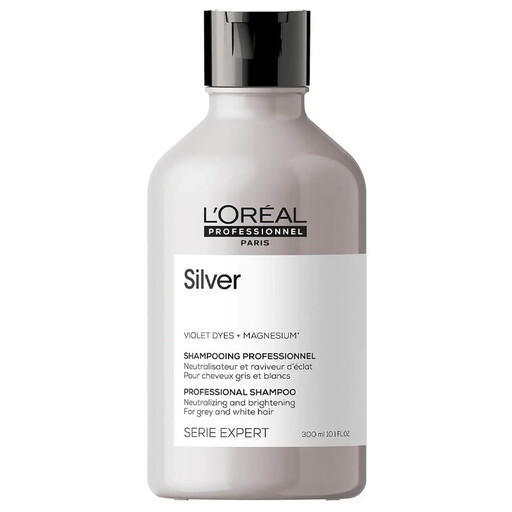
Why it suits this profile: For adults with grey, white or light blonde hair who want to maintain their colour tones at home with a targeted silver shampoo.
The instructions specify a processing time of 1–3 minutes. This helps prevent overuse; always follow the directions on the packaging.
300 ml contents; violet pigment according to the product description; designed for grey, white and light blonde hair.
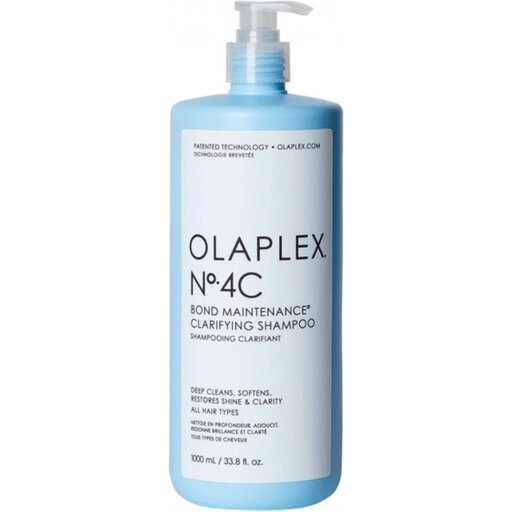
Why it suits this profile: Suitable for users who want to wash styling products, minerals or other build-up from their hair and need a large bottle.
The variant is clearly labelled as a clarifying shampoo. Its purpose is therefore different from that of a shampoo for daily use or coloured hair.
1000 ml contents; intended for deep cleansing; product information states that it has a sulphate- and paraben-free formula.
We have put together a complete, up-to-date list of products that fully meet these strict selection criteria and the applicable European safety regulations.
Look for a short ingredients list and check whether it contains fragrance, soap or other known triggers. According to the product description, a product such as Lucovitaal Eczema Psoriasis Shampoo is fragrance-free and soap-free. Only use this type of product as directed; if you have a diagnosed condition, it is advisable to consult a doctor.
This depends on your hair, styling routine and the instructions on the packaging. A clarifying shampoo is designed to remove build-up, so it does not necessarily need to be used every day. You could alternate it with a milder shampoo for normal, dry or coloured hair.
You can only determine this by calculating the price per 100 ml or per bottle. A 6-pack or 1500 ml bottle is practical for regular use, but only offers better value if you will actually use up the formula. Also check the expiry information and store the bottles in a cool, dry place.
