
Vandaag of morgen in huis

Kwaliteit gegarandeerd

Welkomstaanbiedingen ontgrendelen: GRATIS bezorging | Tot 80% korting | Gratis 30 dagen JoyPlus-proefperiode
Download de app
Buying shampoo seems simple, until you have to choose between anti-dandruff shampoo, shampoo for a dry scalp, a moisturising formula or a product for greasy hair. Marketing claims often promise fuller, stronger or healthier hair, but not every formula suits every scalp.
So pay close attention to the ingredients list, what the shampoo is designed to do and how much comes in the pack. That way, you can avoid buying a large bottle only to find you don’t like it after a few washes.
Words such as ‘repairing’, ‘strengthening’ or ‘volume’ don’t tell you much on their own. Look at the specific product information. For example, a shampoo for fine hair may simply leave it feeling lighter, while a formula for damaged hair may contain conditioning ingredients and silicones.
Claims about hair loss also need to be considered carefully. According to the product description, a shampoo may help with hair breakage or scalp care, but that is not the same as a proven solution for medical hair loss.
A dry scalp needs a different approach from greasy hair. Using a strong cleansing shampoo for greasy hair on a dry scalp may leave it feeling tight. Conversely, a rich, moisturising shampoo may make your hair feel heavy more quickly.
Focus on applying shampoo to your scalp, then rinse the lather through the lengths. Conditioner or a hair mask is usually better suited to dry ends.
A 1,000 ml shampoo bottle may seem like good value, but it’s only practical if the formula suits you. Also consider its shelf life, how much you need to use and how much space you have in the bathroom. A multipack may be convenient for everyday use, but less suitable if you like to switch between regular shampoo and, for example, purple shampoo.
Check the ingredients list and the product’s stated purpose:
Start by choosing the need that matters most to you:
Compare more than just the millilitres; check how many bottles there are too. A pack of six 250 ml bottles, for example, contains 1,500 ml. Also check:
When trying a new formula, choosing a smaller pack is often a sensible first step. If you like the shampoo, a larger pack may offer better value.
The options below are based on verifiable details in the product information. Brand claims about performance are not presented as guaranteed results.
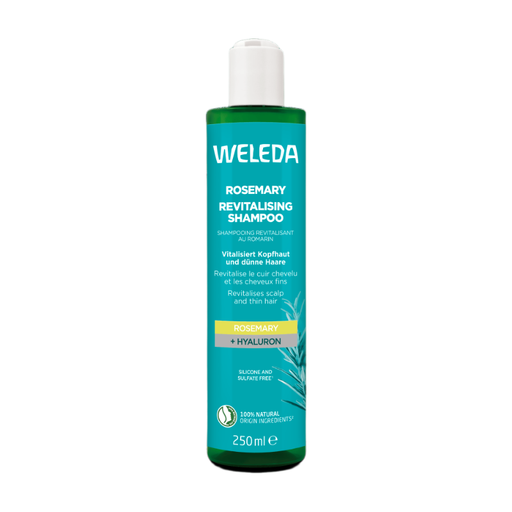
Why it suits this profile: The 250 ml bottle is a manageable size if you want to try a formula for fine, limp hair first. According to the product description, this shampoo is vegan and free from silicones and sulphates.
The product description lists specific features such as hyaluronic acid, rosemary oil and the absence of sulphates and silicones, rather than relying on a general promise of volume.
250 ml; according to the product information, 100% natural, vegan and carrying the NATRUE label.
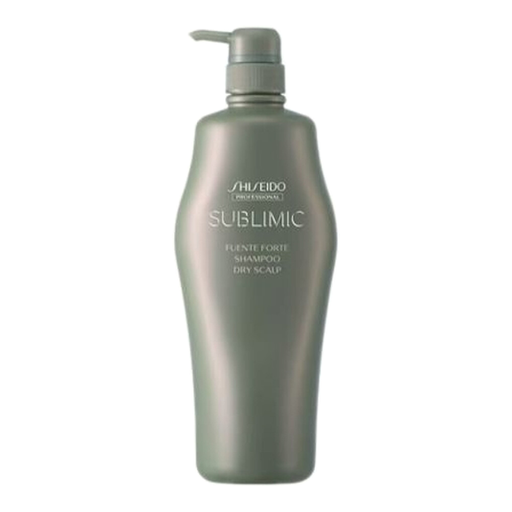
Why it suits this profile: The 1,000 ml bottle is suited to people who use shampoo regularly and are specifically looking for a product for a dry scalp.
Its purpose is clearly described: it is a shampoo for dry scalps. That makes it a more specific choice than a general shampoo for all hair types.
1,000 ml; according to the product description, designed to cleanse gently and help the scalp retain moisture.
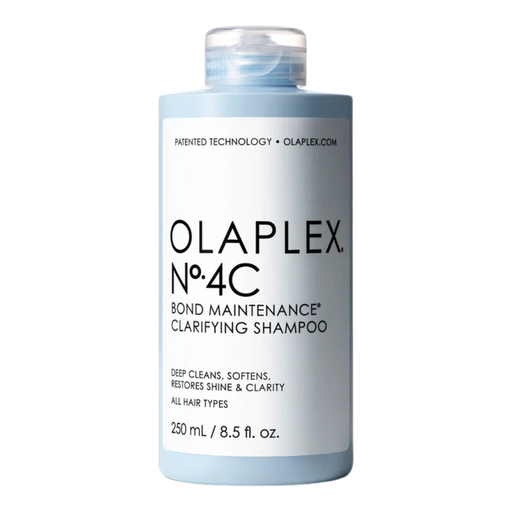
Why it suits this profile: According to the product information, this shampoo is designed to cleanse hair and scalp thoroughly, for example to remove styling residue or minerals from hard water.
The product description gives a clear indication of when to use it: for a weekly cleanse rather than automatically at every wash.
250 ml; sulphate-free and pH-balanced formula according to the product specifications; suitable for all hair types.
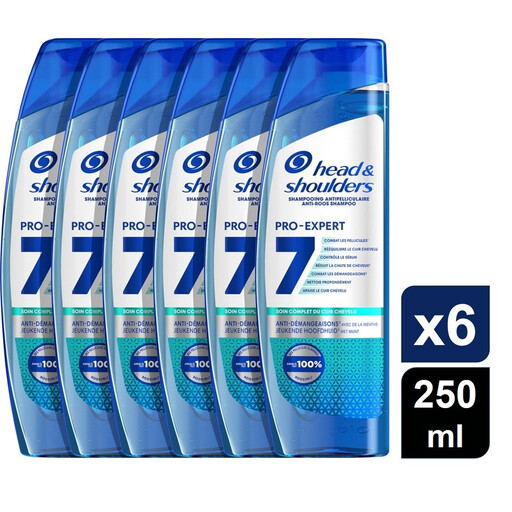
Why it suits this profile: The multipack contains six bottles, with 1,500 ml in total. It’s a good fit for households that use anti-dandruff shampoo regularly and don’t want to keep ordering another bottle.
The pack and its contents are clearly specified. The product description also mentions use for dandruff and itching, so you can compare its purpose with your own needs.
Six 250 ml bottles; 1,500 ml in total; according to the product information, suitable for regular use.
We’ve put together a complete, up-to-date list of products that meet these strict selection criteria and current European safety requirements.
It depends on your scalp, hair type and styling routine. Greasy hair may need washing more often than dry hair. Clarifying shampoo is usually intended for occasional use. Always follow the instructions on the packaging.
Not necessarily. Sulphate-free formulas may suit you if you want a gentler cleanse, but other ingredients also affect how a shampoo feels. Check the full ingredients list and look out for fragrance or any ingredients you’re sensitive to.
Look for the symbol on the packaging, such as 6M or 12M. This indicates the recommended period after opening. Store the bottle somewhere cool and dry, keep the cap firmly closed and stop using it if the smell, colour or texture changes.
