
Vandaag of morgen in huis

Kwaliteit gegarandeerd

Welkomstaanbiedingen ontgrendelen: GRATIS bezorging | Tot 80% korting | Gratis 30 dagen JoyPlus-proefperiode
Download de app
Want to buy shampoo online, but finding it hard to tell the difference between all the brands, ingredients and promises? A product for oily hair will not automatically work well for a dry scalp. A larger bottle is not always better value either if the formula does not fit your daily routine.
When comparing products, focus mainly on your hair type, scalp needs, volume and frequency of use. This helps you avoid choosing based solely on attractive packaging, a familiar brand name or a striking marketing claim.
A shampoo for all hair types can be practical, but it is not always suited to oily hair, curls or damaged lengths. For example, anyone dealing with flakes may look for anti-dandruff shampoo, while someone with frizzy lengths may need shampoo for dry hair or shampoo for damaged hair.
So first consider where your needs lie: your scalp, your hair lengths or both.
Terms such as “anti-hair loss”, “repairing” or “stimulates growth” may sound convincing, but they do not guarantee personal results. According to the product descriptions of some brands, certain ingredients are intended to care for the hair or scalp. You should read this as brand product information, not as a medical claim.
If you experience persistent hair loss, severe itching or an irritated scalp, shampoo is not a substitute for professional medical advice.
A 1000 ml shampoo may initially appear more expensive than a 400 ml bottle, but it can offer better value per millilitre. However, make sure you like the formula before buying a large bottle. For trying a product for the first time, a 400 ml shampoo may make more sense. A larger size is particularly suitable for households where the same shampoo is used regularly.
Use the product description as your first filter:
A long ingredients list does not automatically mean that a shampoo is better suited to you. Look at the first ingredients, any fragrances and active ingredients you have reacted to in the past. Also follow the label and product instructions. Some specialised formulas are intended for use a few times a week, while others are suitable for daily use.
Stop using the product if irritation occurs and rinse thoroughly if it comes into contact with your eyes.
Do not just compare 400 ml with 400 ml. The range also includes 800 ml, 1000 ml, a 550 ml shampoo and multipacks such as six 440 ml bottles. Divide the price by the number of millilitres to assess the actual value. Also check the best-before information on the packaging and consider how much space a large bottle takes up in your bathroom.
The selection below is based on the stated volume, target audience, ingredients and directions for use. These are not universal solutions; the right choice depends on your own hair and scalp.
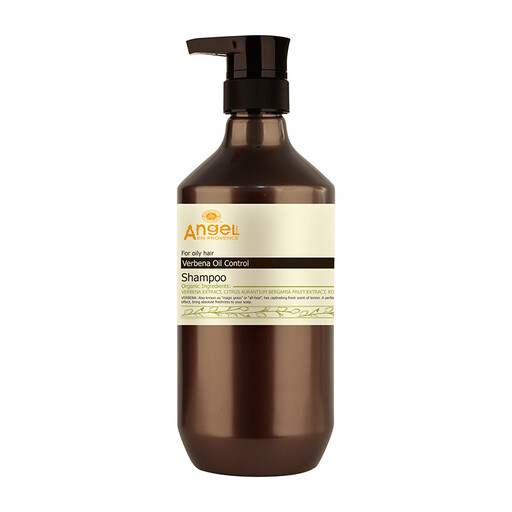
Why it suits this profile: The 800 ml bottle is practical if you wash your hair regularly and are looking for shampoo for oily hair without immediately choosing a professional shampoo in a smaller bottle.
The product description specifically mentions oil control and an 800 ml volume. This means you can assess your choice based on your scalp, rather than the packaging alone.
800 ml volume; verbena is listed as the main ingredient; easy to use: massage in and rinse out.
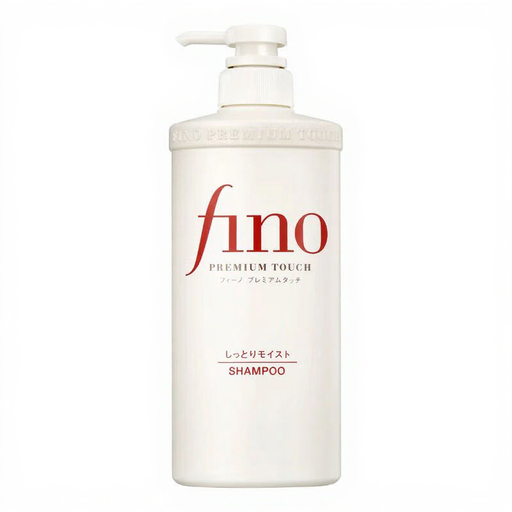
Why it suits this profile: According to the product information, this Shiseido shampoo is suitable for all hair types, particularly damaged hair. The pump bottle is convenient for regular use.
The product description lists ingredients and usage warnings. You can therefore check whether the formula and fragrances suit your preferences.
550 ml volume; lists royal jelly extract, trehalose and Lipidure EX; dermatologically tested according to the product details.
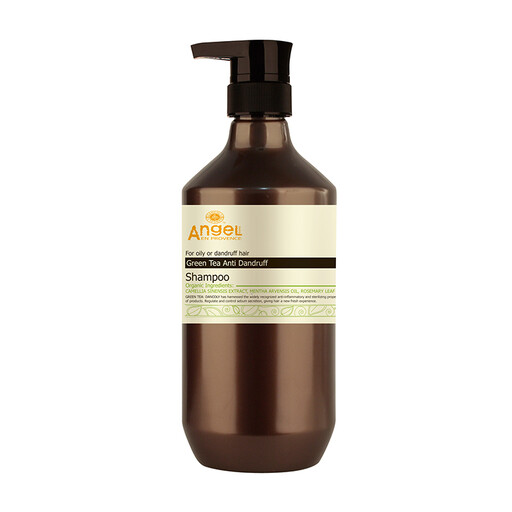
Why it suits this profile: For anyone specifically looking for anti-dandruff shampoo and wanting to adjust the frequency of use to the condition of their scalp.
The variant is clearly labelled as anti-dandruff and gives specific instructions to use it two to three times a week, depending on your situation.
800 ml volume; green tea extract, menthol and zinc pyrithione are listed in the ingredients; aimed at the scalp.
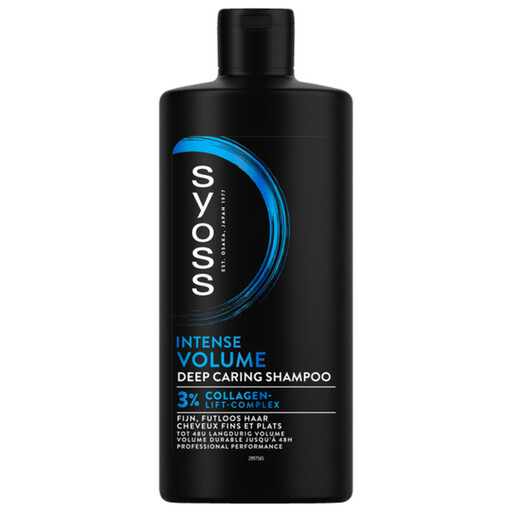
Why it suits this profile: A sensible option for anyone looking for volumising shampoo for fine or flat hair and wanting to try a medium-sized bottle first.
The product information specifically mentions 0% silicones and identifies fine or limp hair as the target audience. This makes the choice easier to assess than a general promise of volume.
440 ml volume; silicone-free formula according to the product description; designed for fine and flat hair.
We have put together a complete, up-to-date list of products that fully meet these strict selection criteria and the applicable European safety regulations.
Choose a variant specifically designed for oily scalp, oil control or purifying. Wash your hair as needed and look out for signs such as a tight-feeling scalp or increased dryness. Shampoo for oily hair is not automatically suitable for dry lengths; if necessary, use conditioner on the ends.
That depends on the price per millilitre and how often you use the shampoo. Divide the total price by 1000, 800, 550 or 400 ml and compare the result. A 1000 ml shampoo is particularly practical when several people use the same formula or when you already know that the variant suits you.
Check the best-before date, batch information and the period after opening stated on the packaging. Store the bottle in a cool, dry place, close hair products properly and avoid getting water into the opening. If the smell, colour or texture changes, it is best to stop using the product.
