
Vandaag of morgen in huis

Kwaliteit gegarandeerd

Welkomstaanbiedingen ontgrendelen: GRATIS bezorging | Tot 80% korting | Gratis 30 dagen JoyPlus-proefperiode
Download de app
Buying a new shampoo sounds simple until you have to choose from dozens of varieties. Moisturising, nourishing, anti-dandruff, for fine hair, sulphate-free or suitable for daily use: every label promises something different. Yet a striking claim does not automatically mean the shampoo is right for your hair.
The most common disappointing purchases arise from three pitfalls:
The right choice therefore starts with your scalp, hair structure and washing routine.
An oily scalp needs a different approach from a dry or sensitive scalp. If you have visible dandruff and itching, you could consider an anti-dandruff shampoo containing an ingredient such as piroctone olamine. Always check the directions for use and the full ingredients list.
You should not identify a shampoo for a sensitive scalp solely by its packaging. Also check for fragrance, sulphates and potential allergens. “Mild” or “dermatologically tested” does not guarantee that every ingredient will be suitable for everyone.
If you experience persistent irritation, severe flaking or sudden hair loss, shampoo is not a substitute for medical advice.
Sulphate-free shampoo does not automatically mean that the product is a better match for you. Sulphates are cleansing agents; some people prefer a sulphate-free formula, while others need more cleansing power. Look at the complete list, not just one ingredient.
Also compare the volume. A 250 ml bottle is convenient for trying a product first. A 400 ml bottle or larger can be appealing for regular use. Divide the price by the number of millilitres to compare a shampoo offer fairly.
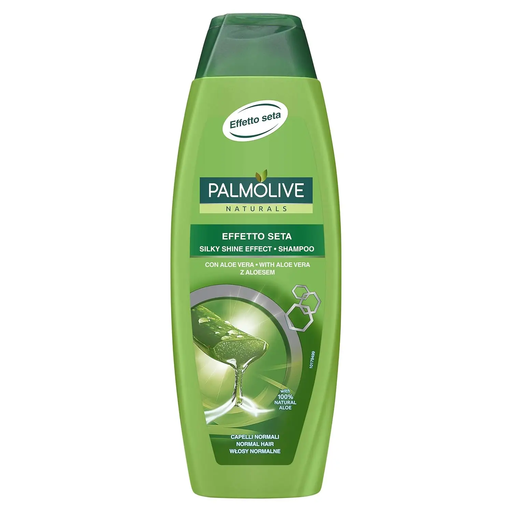
Why it suits this profile: The 350 ml size is a manageable option for anyone wanting to try a moisturising shampoo without immediately buying a large pack. According to the product description, the formula is suitable for frequent use and contains aloe vera.
You start with a medium-sized bottle instead of immediately choosing a value pack. However, check the ingredients and fragrance information before buying.
350 ml volume; aloe vera listed for this variant; suitable for frequent use according to the brand.
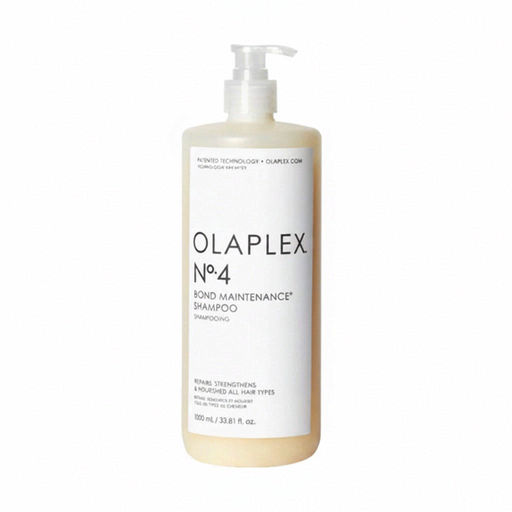
Why it suits this profile: This large bottle is aimed at those with an established routine who want a professional shampoo for damaged or treated hair. The product information states that it has a sulphate-free formula and is suitable for coloured hair.
The product information clearly states the formula and volume. This allows you to weigh up the sulphate-free formula, 1000 ml size and your own hair needs, rather than relying solely on marketing language.
1000 ml volume; sulphate-free according to the product description; intended for different hair types and coloured hair.
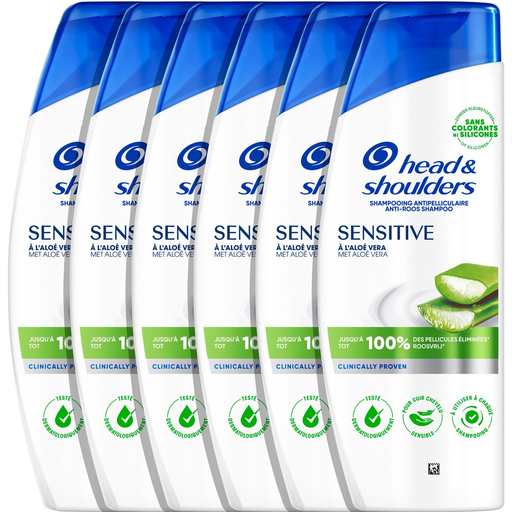
Why it suits this profile: This variant is intended for users specifically looking for anti-dandruff shampoo for a sensitive scalp and who want to wash their hair regularly. According to the product description, the formula contains piroctone olamine and aloe vera.
The variant is clearly linked to dandruff and a sensitive scalp. Before use, check the warnings, fragrances and your personal tolerance.
250 ml volume; piroctone olamine and aloe vera listed; suitable for daily use according to the brand.
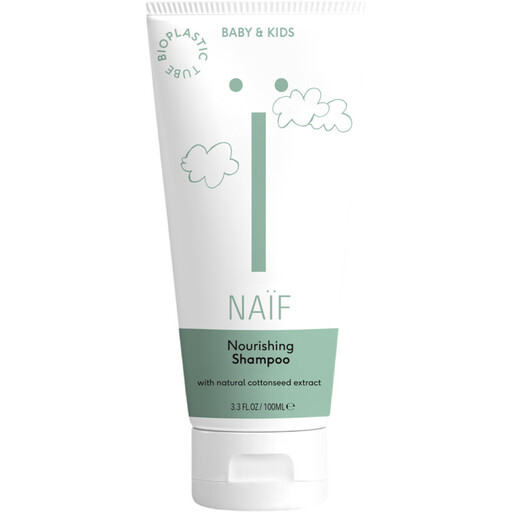
Why it suits this profile: According to the product information, this baby shampoo has been developed for babies, toddlers and children. The formula lists ingredients including coco-glucoside, glycerine and cotton extract.
You choose a product designed for a specific target group rather than an ordinary adult shampoo. Avoid contact with the eyes and follow the age and safety advice on the packaging.
200 ml volume; intended for babies and children; according to the product information, free from SLS/SLES and parabens.
We have put together a complete, up-to-date list of products that fully meet these strict selection criteria and the applicable European safety regulations.
Wet your hair thoroughly and use an amount suited to its length and thickness. Gently massage the scalp, then rinse thoroughly. With anti-dandruff shampoo, the leave-on time may be important, so follow the instructions on the label.
Do not automatically wash your hair twice. With a shampoo for daily use, one wash is often a practical starting point. If your hair is dry or damaged, use conditioner on the lengths if needed, so you do not weigh down the scalp unnecessarily.
It depends on sebum production, exercise, styling products and your scalp. Washing daily may suit some people, while others wash less often. Choose a formula that the packaging says is suitable for your routine, and adjust the frequency if your scalp feels tight or becomes greasy quickly.
Check the expiry information on the packaging. Some products have a use-by date; others display a symbol such as 12M, which refers to the period after opening. Store shampoo in a dry place, close the bottle properly and stop using it if its scent, colour or texture changes noticeably.
Not always. Compare the price per 100 ml and consider how much you need for each wash. A large bottle can offer better value if you have an established routine, but a smaller bottle is the wiser choice when trying a new shampoo for the first time.
