
Vandaag of morgen in huis

Kwaliteit gegarandeerd

Welkomstaanbiedingen ontgrendelen: GRATIS bezorging | Tot 80% korting | Gratis 30 dagen JoyPlus-proefperiode
Download de app
A new shampoo might seem like a simple purchase, but the sheer range of options makes it hard to compare. A product designed for dry hair, for example, can be too heavy for an oily scalp. What’s more, a shampoo with a striking promise may rely heavily on marketing language, while the ingredients list tells a different story.
So, watch out for three common pitfalls:
Your scalp usually determines how often you need to shampoo. For an oily scalp, light, cleansing formulas are generally a good fit. Timotei’s shampoo for oily hair, for instance, is designed for oily hair and, according to the product information, contains green tea. Roy Hair Strength Expert Care Shampoo for Oily Scalp includes ginseng extract and cleansing ingredients such as Sodium Laureth Sulfate.
An oily scalp doesn’t automatically mean you need to wash the lengths aggressively. Massage the shampoo mainly into the roots and let the foam run through the ends as you rinse. For a dry or sensitive scalp, a gentle shampoo with less intensive cleansing can be more comfortable. Sebamed Daily Shampoo contains ingredients like Decyl Glucoside and Disodium Laureth Sulfosuccinate.
If you’re actively looking for a sulphate-free shampoo or silicone-free shampoo, you need to check the full INCI list. Andrelon Pro Nature Shea and Bamboo are described as free from sulphates and silicones according to the product information. The formulas contain mild cleansers and nourishing ingredients.
Silicones can make hair feel smoother and help with tangles, but some people prefer a silicone-free routine. For curls, a formula with coconut oil and without sulphates or silicones can be appealing. Andrelon Pro Nature Coconut Shampoo is described as being for curly hair and contains coconut oil.
Also, pay attention to perfume and fragrance ingredients like limonene, linalool or coumarin. These substances are permitted in cosmetics, but they can be relevant for some people with sensitive skin. Always check the packaging, as ingredient lists can change.
For dry hair, frizzy hair or curls, hydrating and nourishing ingredients are often more important than strong cleansing. Think of glycerine, coconut oil, shea butter or other oils. NIVEA Diamond Gloss Care Shampoo contains, according to the product information, glycerine, macadamia oil, rose oil and Eucerit. The formula also contains Sodium Laureth Sulfate and perfume; that makes it worth checking the ingredients if you prefer to avoid these substances.
For damaged hair, a shampoo alone isn’t a complete hair care routine. A conditioner or mask can help make hair feel easier to comb through. Coloured hair also requires a product where the manufacturer explicitly mentions colour care. L’Oréal Professionnel Vitamino Shampoo is described as being for coloured hair and colour retention, but it is not sulphate-free or silicone-free.
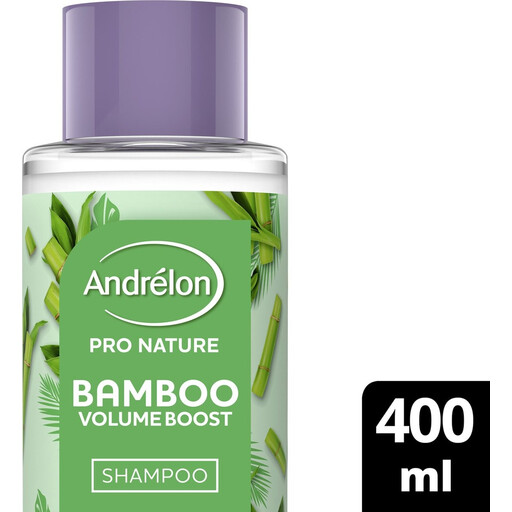
Why this fits the profile: An accessible choice for limp hair when you’re looking for volume without committing to a large pack straight away.
The product information mentions a sulphate-free and silicone-free formula and a 400 ml size, so you’re not relying solely on a shine claim.
Bamboo extract, plant-based cleansers, 400 ml and, according to the product information, vegan and silicone-free.
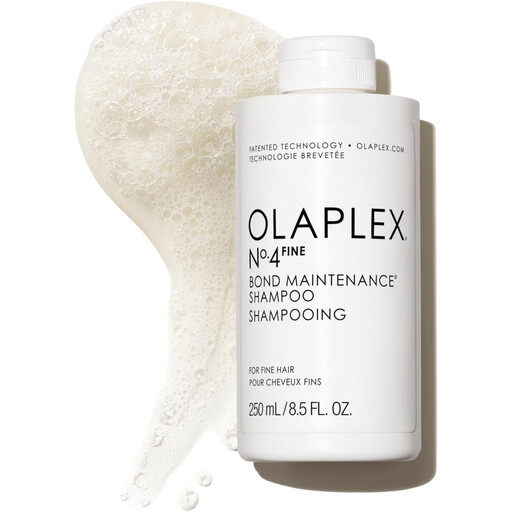
Why this fits the profile: Ideal for anyone wanting a compact formula for fine, coloured or chemically treated hair and who’s happy to compare ingredients and price.
The product description states a 250 ml size and suitability for coloured and chemically treated hair. This means you can choose a smaller pack first.
According to the product information, vegan, colour-safe and designed to give fine hair more body.
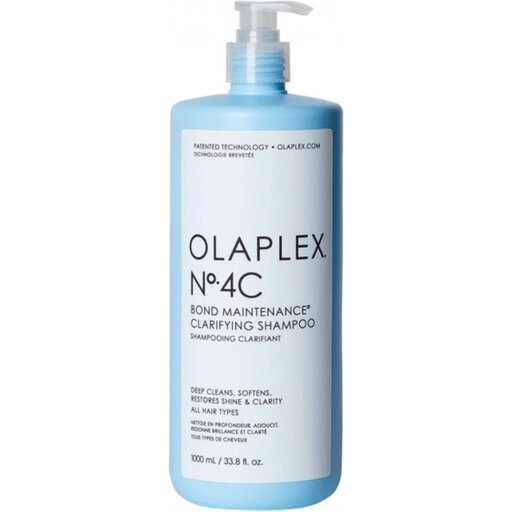
Why this fits the profile: For users who regularly want to wash away styling products, oil or mineral build-up and find a large pack practical.
The product description positions this as a clarifying shampoo for build-up and impurities. So don’t automatically use it as a daily shampoo if your hair feels dry.
1000 ml size and a formula with multiple cleansing ingredients; according to the product information, vegan.
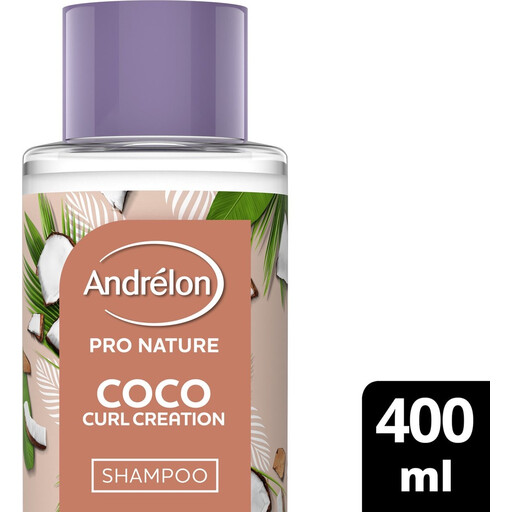
Why this fits the profile: A targeted option for curly, dry or frizzy hair when hydration and a silicone-free routine are important.
The product information explicitly mentions curls, hydration and 0% sulphates and silicones. Check the current packaging if you’re sensitive to perfume.
Coconut oil, 400 ml and, according to the product information, sulphate-free and silicone-free, vegan and focused on hydration.
We’ve put together a full, up-to-date list of products that fully meet these strict selection criteria and comply with current European safety regulations.
That depends on your sebum production, your styling routine and your hair type. An oily scalp may need more frequent washing, while dry, curly or damaged hair often benefits from less frequent cleansing. A daily shampoo is only worthwhile if your scalp and hair respond well to it. Use a small amount and rinse thoroughly.
Not automatically. Sulphate-free shampoos use different cleansers, but perfume or certain preservatives can also be relevant for a sensitive scalp. Compare the full ingredients list and pay attention to how your hair reacts. With a lot of oil, wax or silicones, a stronger cleanser can sometimes be more practical.
Products with a claim like shampoo for hair loss should not be seen as a medical treatment. According to the brand’s own research, ingredients such as peptides, caffeine or plant extracts can play a supporting role in the product’s positioning, but shampoo is rinsed out and doesn’t replace medical advice. If you experience sudden or persistent hair loss, it’s wise to contact your GP.
