
Vandaag of morgen in huis

Kwaliteit gegarandeerd

Welkomstaanbiedingen ontgrendelen: GRATIS bezorging | Tot 80% korting | Gratis 30 dagen JoyPlus-proefperiode
Download de app
Choosing a new shampoo might seem straightforward, but an attractive bottle tells you very little about the formula. A shampoo for dry hair, for example, can be too heavy for fine hair, while a daily shampoo may not cleanse an oily scalp thoroughly enough. Terms like “natural”, “repair” and “anti-hair loss” also need to be read in the right context.
As a Joybuy Product Recommendation Officer, I therefore focus on verifiable information: hair type, volume, ingredients, intended use and packaging format. That way, you avoid paying for a promise that doesn’t match your hair or scalp.
Words like “repair”, “volume” or “anti-hair loss” often describe the intended use of a product. They don’t automatically mean that damaged hair will be structurally repaired or that hair loss will stop. According to brands’ own information, certain formulas can, for example, make hair feel softer, help reduce breakage or cleanse the scalp. That’s quite different from a medical effect.
For persistent hair loss, itching or flaking, shampoo is no substitute for advice from a doctor or pharmacist. Always check the ingredients on cosmetics and follow the warnings on the packaging.
A sulphate-free shampoo can be pleasant if you’re looking for a gentler cleanse or if your hair feels dry quickly. However, a formula with sulphates isn’t automatically unsuitable. The right choice depends on how often you wash, how many styling products you use and how your scalp reacts.
The same goes for a silicone-free shampoo. Silicones can make hair feel smoother, but some users prefer a formula without silicones, for example with fine hair or when they want to limit product build-up. So look at the full ingredients list, not just a single ingredient.
A 250 ml shampoo is handy for travel, but less practical if you’re catering for a family or washing daily. A 400 ml shampoo is often a useful mid-size option. For heavy use, a 1,500 ml bottle can be more economical, although it takes up more space and a pump dispenser is then convenient.
So compare the price per 100 ml. Also pay attention to the recommended amount: a strongly foaming formula may seem economical, but foam doesn’t directly tell you how much cleansing you need.
Your scalp mainly determines the level of cleansing that suits you. For a shampoo for oily hair or an oily scalp, look for a formula that, according to the product description, is aimed at removing excess sebum. Roy Hair Strength Expert Care Shampoo for Oily Scalp 400ml Zilu Shampoo, for example, mentions ginseng extract and a target for oily scalp. The ingredients list does include Sodium Laureth Sulfate and Ammonium Lauryl Sulfate, so if you’re looking for a sulphate-free shampoo, you’ll need to compare further.
Dry or damaged lengths often benefit more from nourishing ingredients such as oils, glycerine, proteins or conditioners. A shampoo for dry hair and a shampoo for damaged hair are not automatically the same: dry hair primarily needs care and softness, while damaged hair is often the result of colouring, heat or chemical treatments.
Look out for ingredients you may be sensitive to, such as perfume allergens. The Andrelon Everyday formula, for example, lists perfume, linalool, citrus oil and other fragrances. The product information states the shampoo is vegan and dermatologically tested, but this doesn’t mean everyone will tolerate the formula without a reaction.
If you’re looking for a vegan shampoo, check the product claim and packaging. Andrelon Pro Nature Shea lists vegan as a product feature. According to the description, the formula contains 94% ingredients of natural origin, 0% sulphates and 0% silicones. “Natural” on its own says nothing about its suitability for your hair; the actual ingredients remain the deciding factor.
A daily shampoo is intended for regular washing, but the ideal washing frequency varies from person to person. With an oily scalp, washing more often can be practical, while curly or dry hair is sometimes washed less frequently. Apply shampoo mainly to the scalp and let the foam run through the lengths. A conditioner can then help make the lengths easier to comb through.
For curls, a formula with nourishing oils is interesting. Andrelon Pro Nature Coconut is described as being for curly hair and states 0% sulphates and silicones. That makes it an option for anyone specifically looking for a shampoo for curly hair, but the final result depends on your curl type and overall routine.
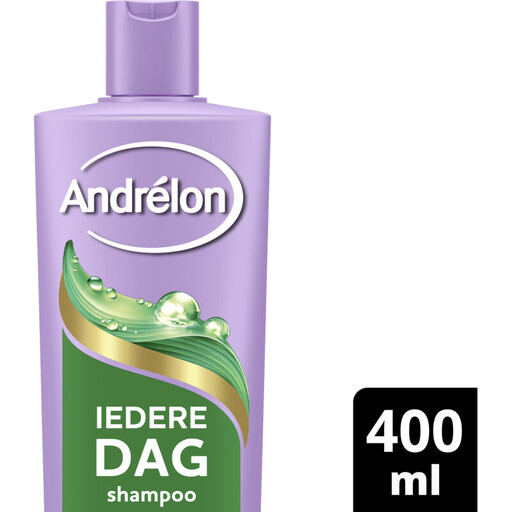
Why this suits the profile: A straightforward choice for adults looking for a normal daily cleanse and a standard size.
The product information clearly states the purpose, the 400 ml volume and the ingredients. The formula does contain sulphates and perfume, so checking beforehand is important.
400 ml, intended for all hair types and, according to the product data, vegan and paraben-free.
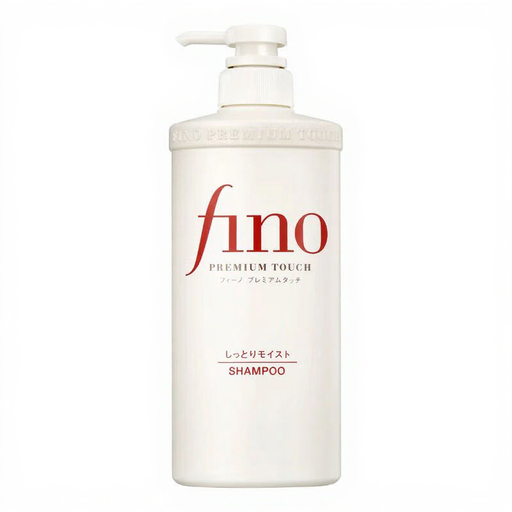
Why this suits the profile: Suits anyone looking for a larger bottle and a nourishing formula for hair that feels dry or damaged.
The formula contains Sodium Laureth Sulfate, Sodium Lauryl Sulfate and dimethicone. This is not a sulphate-free or silicone-free choice, so check whether it fits your routine.
550 ml volume; the product description mentions royal jelly EX, trehalose, PCA and squalane.
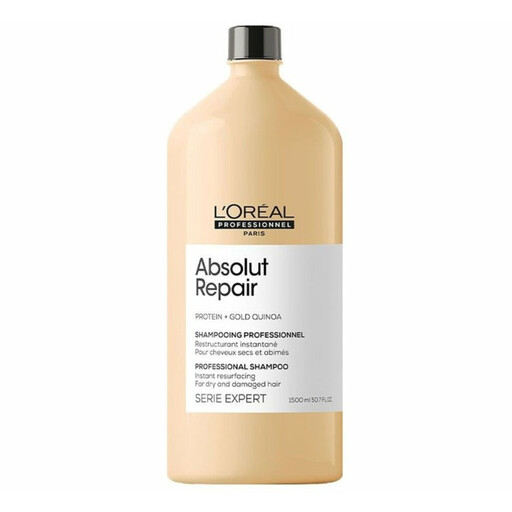
Why this suits the profile: The salon-size bottle suits households with multiple users or intensive hair care after colouring and styling.
The volume and purpose are clearly specified. The formula is not sulphate-free, silicone-free or paraben-free, so this choice is mainly about size and care goal.
1,500 ml volume; the product description mentions golden quinoa and protein for damaged hair.
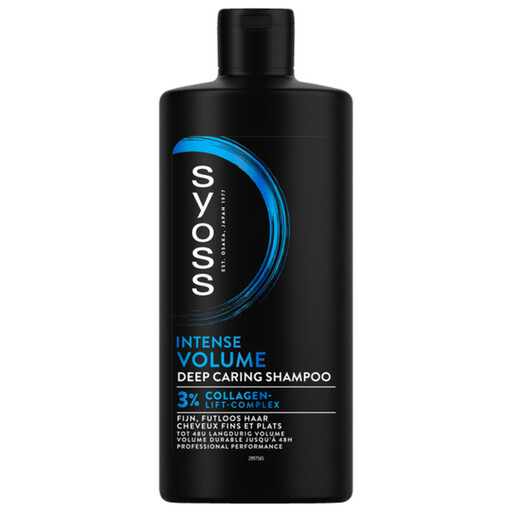
Why this suits the profile: Aimed at fine or flat hair and suitable for anyone looking for a volume shampoo without silicones.
The description states 0% silicones and positions the formula for fine hair. The volume effect mentioned is a brand claim and not a guarantee for every user.
440 ml volume; according to the product information, vegan, with 90% ingredients of natural origin and a recycled bottle.
We’ve put together a full, up-to-date list of products that fully meet these strict selection criteria and comply with current European safety regulations.
Look for a shampoo for dry hair or damaged hair with nourishing ingredients such as oils, glycerine, proteins or conditioning agents. Also check whether the formula contains sulphates or silicones if you want to avoid those ingredients. A conditioner for the lengths can complement the care.
That depends on your scalp, hair texture and daily routine. If you exercise a lot, use styling products or have an oily scalp, you may wash more often. Dry, curly or treated hair is often washed less frequently. Use a small amount and massage mainly the scalp.
Follow the storage information on the packaging. Check the expiry date or the symbol for the period after opening, often indicated as, for example, 12M. Store the bottle closed, in a dry place and out of direct sunlight. Stop using it if irritation occurs and rinse immediately with water if it comes into contact with your eyes.
