
Vandaag of morgen in huis

Kwaliteit gegarandeerd

Welkomstaanbiedingen ontgrendelen: GRATIS bezorging | Tot 80% korting | Gratis 30 dagen JoyPlus-proefperiode
Download de app
Shampoo may seem like a simple product, but there is a huge range to choose from. Are you looking for shampoo for damaged hair, a formula for an oily scalp or perhaps a sulphate-free shampoo? Then simply relying on words such as “repair”, “shine” or “natural” is not enough. The ingredients, size and suitability for your hair determine whether a product is right for you.
Words such as “repairing”, “anti-hair loss” and “professional” sound convincing. However, they do not automatically mean that your hair will be structurally repaired or that hair loss will stop. According to a brand’s own research or product information, certain ingredients may contribute to a particular user experience, but this is not a medical guarantee.
Extra caution is needed with shampoo for hair loss. Shampoo mainly cleanses the scalp and hair. If you experience persistent hair loss, itching or irritation, it is wiser to seek advice from a doctor or pharmacist than simply to switch products.
A nourishing shampoo containing oils, butters or silicones can feel pleasant on dry or damaged hair. However, a rich formula may feel heavy on a scalp that becomes oily quickly. Conversely, a strongly cleansing shampoo can make dry hair feel rougher.
It is therefore important to consider your scalp and your lengths separately. You can use a mild shampoo on the scalp and apply extra conditioning only to the lengths.
A 250 ml bottle may appear cheaper, but a shampoo in a larger size can offer better value for daily use. Divide the price by the number of millilitres and check the packaging too. A 1,500 ml salon bottle takes up more space and is less convenient if you have limited storage.
Start by choosing the most important purpose:
Check the INCI list on the packaging. Sodium Laureth Sulfate and similar sulphates provide powerful cleansing, while cocamidopropyl betaine and some amino-acid cleansers are often found in milder formulas. This alone does not determine whether a shampoo is suitable or unsuitable; your scalp and how your hair responds remain important.
If you deliberately avoid sulphates or silicones, you can look for a sulphate-free shampoo or silicone-free shampoo. However, pay attention to the difference between a marketing statement and the full ingredients list. For example, the product information for Andrelon Pro Nature states 0% sulphates and silicones. Always check the current packaging if the formula has changed.
For occasional use or travelling, 250 to 300 ml is practical. A 400 to 550 ml bottle is better suited to regular use. For a family, hair salon or intensive user, 1,000 to 1,500 ml may be worth considering.
Usually, use a small amount and apply the shampoo mainly to the scalp. Allow the lather to run through the lengths and rinse thoroughly. A second wash may be necessary after using lots of styling products or if you have an oily scalp. Avoid contact with the eyes and stop using the product if irritation occurs.
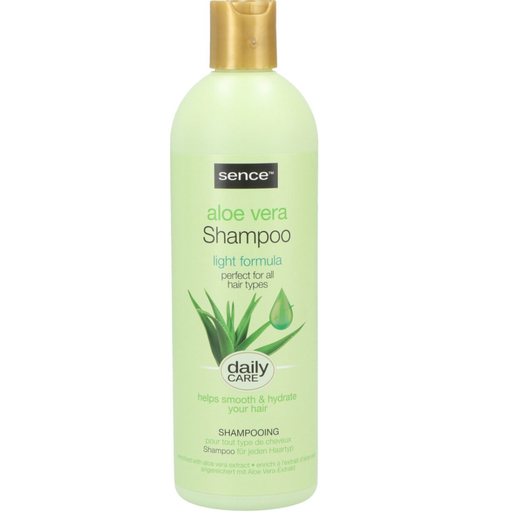
Why it suits this profile: The 400 ml size offers a practical introduction to a shampoo for dry and damaged hair, without immediately having to buy a salon-sized bottle.
The product information clearly states that it contains aloe vera and comes in a 400 ml size. Check the current ingredients and whether it is suitable for you on the packaging.
Aloe vera variant; 400 ml; intended for dry and damaged hair according to the product description.
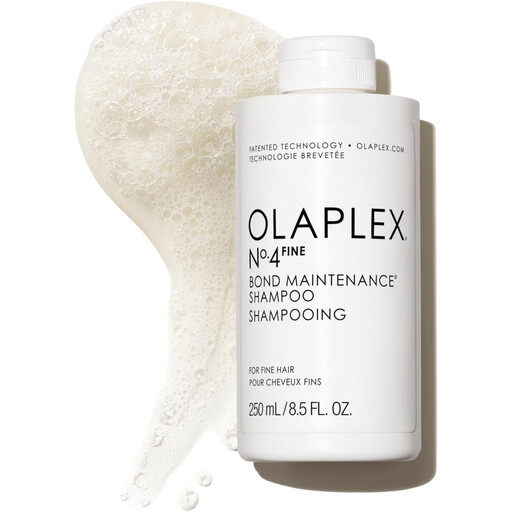
Why it suits this profile: A compact choice for anyone caring for coloured or chemically treated hair and looking for a formula that, according to the product information, is vegan and colour-safe.
The product description specifically mentions gentle cleansing, colour-safe use and chemically treated hair. The bottle is 250 ml, so you are not buying an unnecessarily large supply.
250 ml; vegan according to the product information; suitable for coloured and chemically treated hair according to the description.
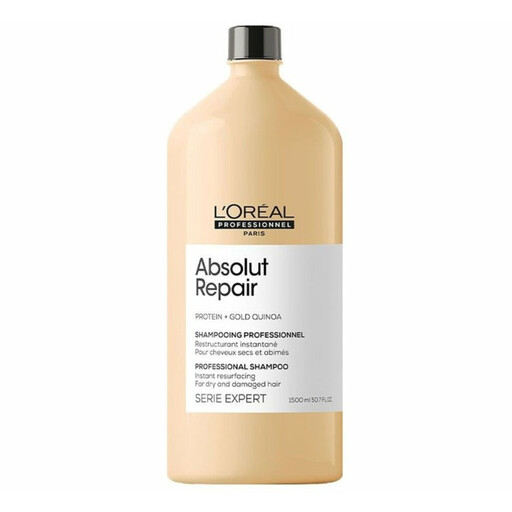
Why it suits this profile: The 1,500 ml salon size is aimed at households with several users or professional use involving frequent washes.
The size is clearly stated, allowing you to compare the price per millilitre. The formula contains sulphates and silicones; this is important for anyone who specifically wants to avoid these ingredients.
1,500 ml; Absolut Repair variant; golden quinoa and proteins are mentioned in the product information.
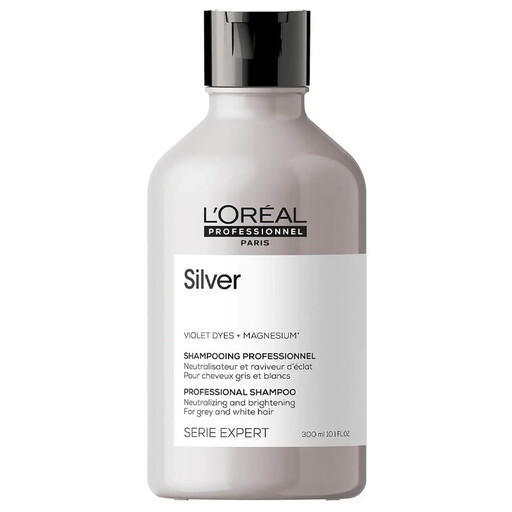
Why it suits this profile: According to the product description, this silver shampoo is intended for grey, white and light blonde hair with unwanted yellow or brassy tones.
The target audience and application are clearly described. Do not automatically use the shampoo every day; follow the development time and instructions on the packaging.
300 ml; violet pigments according to the product information; designed for grey, white and light blonde hair.
We have put together a complete, up-to-date list of products that fully meet these strict selection criteria and the applicable European safety regulations.
That depends on your scalp, perspiration, styling products and hair type. An oily scalp may require more frequent washing, while dry, curly or heavily treated hair can be washed less often. Use a small amount and massage it mainly into the scalp.
Check the open-jar symbol on the packaging, for example 12M. This generally means that the product should be used within twelve months of opening. Store shampoo in a dry place, close the cap securely and check its scent, colour and texture. Always follow the information on the packaging.
Not necessarily. Compare the price per 100 ml, size, amount needed per wash and the purpose of the formula. A professional shampoo may be designed for a specific use or come in a larger size, but an affordable option may be sufficient for everyday cleansing. The right choice is above all the shampoo that suits your scalp, hair type and washing routine.
