
Vandaag of morgen in huis

Kwaliteit gegarandeerd

Welkomstaanbiedingen ontgrendelen: GRATIS bezorging | Tot 80% korting | Gratis 30 dagen JoyPlus-proefperiode
Download de app
Buying a new shampoo may seem straightforward, but the sheer choice can make comparing products difficult. A product may claim, for example, to protect colour for weeks, neutralise yellow tones or intensely nourish dry hair. Such claims are not automatically a guarantee for your hair. The result also depends on your hair colour, how often you wash it, your scalp and the rest of your haircare routine.
The most common shampoo pitfalls are:
Don’t start with the brand; start with your main hair concern. Choose one primary goal, then look at additional properties.
A shampoo for coloured hair is designed to cleanse without making your colour look dull too quickly. Look for terms such as “colour protect”, “colour retention” or “colour retention shampoo”. Also check the volume and recommended frequency of use. A larger bottle is only good value if you actually like the formula and use it regularly.
According to the product description, L'Oréal Elvital Shampoo Color Shine contains Vitamin Cg and a UVB filter. According to L’Oréal’s own information, the colour protection is intended to last for up to 40 washes. Treat this as a brand claim, rather than a fixed outcome for every type of coloured hair.
Purple shampoo generally contains purple pigments that can help make yellow or brassy tones appear less visible. The effect varies depending on your base colour and your hair’s porosity. Leave the product on for a few minutes according to the instructions on the packaging, and it is best to start with a shorter time rather than a longer one.
Purple shampoo is not a regular nourishing shampoo. If you wish, alternate it with a mild or hydrating formula. This helps prevent colour correction from becoming more important than everyday care.
When comparing shampoo for dry hair and shampoo for damaged hair, ingredients such as glycerine, oils, panthenol, keratin and conditioning agents may be worth considering. They do not automatically “repair” damaged hair permanently. According to Garnier’s product description, Loving Blends Argan & Camelia is intended for dry, dull hair and contains argan and camellia oils.
For dry lengths, use a conditioner or hair mask as well. Apply shampoo mainly to the scalp and allow the lather to run through the lengths. This reduces unnecessary friction.
When choosing shampoo for a sensitive scalp, look at the full ingredients list rather than relying only on “mild” or “hypoallergenic” on the front of the pack. Sensitivity is personal, and despite being positioned as mild, a product may still contain an ingredient that does not suit you.
According to the product information, Garnier Loving Blends Mild Oat is described as hypoallergenic, silicone-free and developed for sensitive scalps. The product page lists rice cream and organic oat extracts. Stop using the product if irritation occurs and consult a doctor or pharmacist if symptoms persist.
A clarifying shampoo is designed to provide a more thorough cleanse, removing styling residue, excess oil or mineral build-up, for example. Do not automatically use it every time you wash your hair. According to the product description, Olaplex No. 4C Clarifying Shampoo is positioned for deep cleansing and is available in a 1000 ml bottle.
With this type of shampoo, pay particular attention to the recommended frequency of use and pair it with conditioner if needed. A product that cleanses deeply is not necessarily suitable for daily use.
Hair and scalp type
Choose between normal, dry, damaged, oily, coloured, blonde or sensitive hair. If you have several concerns, give priority to the most urgent one. An oily scalp with dry ends, for example, calls for light cleansing at the scalp and extra care through the lengths.
Formula and ingredients
Compare surfactants, fragrance, colour pigments, silicones and conditioning ingredients. “Silicone-free”, “vegan” or “paraben-free” does not mean that a product is suitable for everyone. Check claims on the packaging and product page, and do not present brand claims as guaranteed results.
Volume, dosage and directions for use
Pay attention to the number of millilitres and the instructions. A 1500 ml bottle, such as a professional L’Oréal Silver Shampoo, may be practical for intensive use, but less convenient if you want to try the formula first. Also check warnings, such as avoiding contact with the eyes, and always follow the label.
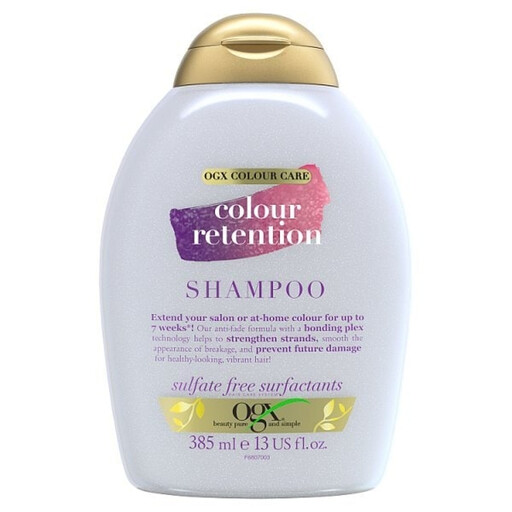
Why it suits this profile: According to the product information, the formula is suitable for all hair types and designed to help retain colour, making it a straightforward starting choice for adults with coloured hair.
The product page states a clear purpose and a volume of 385 ml. However, check for yourself whether the fragrance and listed ingredients suit your scalp.
385 ml; Colour Protect variant; according to the product information, paraben-free and dermatologically tested.
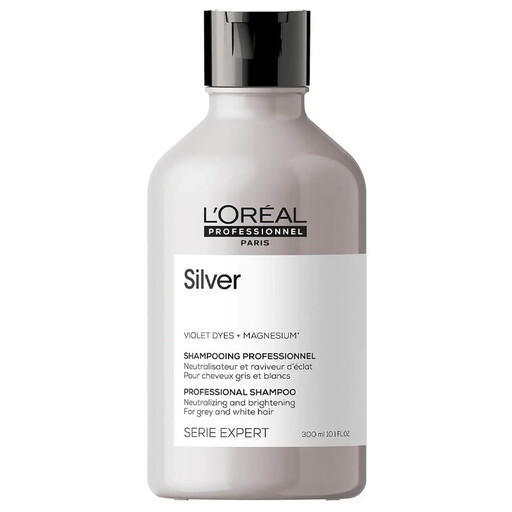
Why it suits this profile: For anyone specifically looking for purple shampoo for blonde, grey or white hair and who prefers a compact bottle for home use.
The violet pigments and recommended processing time of 1 to 3 minutes are clearly stated in the product information. This makes it easier to control application than when the instructions are unclear.
300 ml; violet pigments; intended for grey, white and light blonde hair.
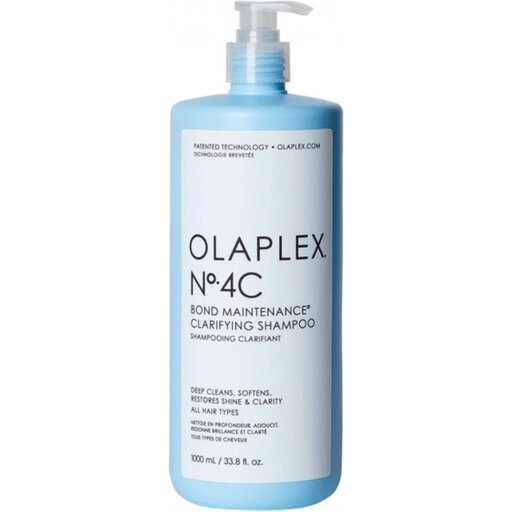
Why it suits this profile: A large bottle is well suited to households or users who regularly use styling products and occasionally want a more thorough cleanse.
The product description explicitly mentions product residue, minerals and impurities as areas of use. Use it according to the label, rather than automatically as your daily shampoo.
1000 ml; clarifying formula; according to the product information, vegan and free from sulphates and parabens.
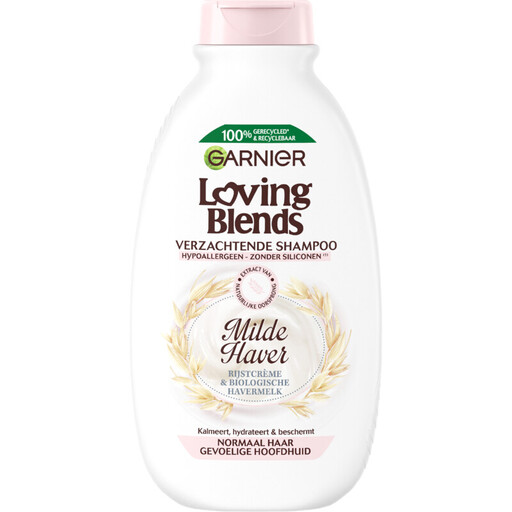
Why it suits this profile: According to the product information, this option was developed for normal hair and sensitive scalps, with a hypoallergenic, silicone-free formula.
The product information specifies the scalp type and formula properties. Even so, check the current packaging and, if in doubt, test it cautiously first.
300 ml; Mild Oat variant; according to the product page, hypoallergenic, silicone-free and dermatologically tested.
We have compiled a complete, up-to-date list of products that fully meet these strict selection criteria and the applicable European safety regulations.
It depends on your scalp, activity levels and use of styling products. An oily scalp may require more frequent washing than dry or curly hair. Use enough product to cleanse the scalp and rinse thoroughly. Use purple shampoo or clarifying shampoo according to the label, rather than automatically every time you wash your hair.
Check the open-jar symbol on the packaging, such as 12M. This generally means that the product should be used within twelve months of opening. Keep shampoo closed, dry and out of direct sunlight. The current shelf-life information on the packaging takes precedence.
Not necessarily. Compare the price per 100 ml, the amount required per wash and the volume of the bottle. A large bottle may offer good value with regular use, but a smaller bottle limits the risk of waste if the formula does not suit your hair.
