
Vandaag of morgen in huis

Kwaliteit gegarandeerd

Welkomstaanbiedingen ontgrendelen: GRATIS bezorging | Tot 80% korting | Gratis 30 dagen JoyPlus-proefperiode
Download de app
Buying a new shampoo seems simple enough – until you have to choose between hydrating, repairing, sulphate-free and professional formulas. Marketing copy often promises shine, repair and less frizz, but not every variant suits your scalp or hair length.
The most common buying mistakes come down to three pitfalls:
First, think about where your needs lie. If you have an oily scalp, a formula focused on cleansing makes more sense than a very nourishing shampoo. The Andrélon Longer Fresh Shampoo, 400 ml, is described as suitable for oily hair and contains vitamin B3 among its ingredients. If you mainly have dry lengths, you might be better off looking at a shampoo for dry hair or a shampoo for damaged hair with caring ingredients.
For curls, hydration and frizz control are key. A shampoo for curls such as Andrélon Pro Nature Coco Curl Creation is, according to the product information, aimed at hydration and care. With long hair, the condition of your ends also matters. A shampoo for long hair can be paired with conditioner or a hair mask, so you’re caring for both your scalp and your lengths.
If you’re looking for a shampoo without sulphates or a shampoo without silicones, you need to check the full INCI list. The claim “0% sulphates and silicones” appears, for example, on the Andrélon Pro Nature variants in the product information. Other products, such as Syoss Intense Oleo, contain Sodium Laureth Sulphate according to the listed ingredients.
No sulphates doesn’t automatically mean a product works better for everyone. Sulphates can provide a strong cleansing effect, whereas a gentler formula may produce less lather. Silicones can make hair feel smoother, but they aren’t desirable in every routine. Also look out for fragrance ingredients such as limonene, linalool or coumarin if you prefer to avoid them.
A 400 ml bottle of shampoo is practical for regular use and takes up little space. A 1500 ml pack can be better value per millilitre, but it needs more storage room and may not come with a pump. The L'Oréal Professionnel Pro Longer and Absolut Repair are examples of salon-sized 1500 ml packs; for Pro Longer, it’s explicitly stated that the pump is not included.
Don’t automatically use a clarifying shampoo with every wash. The Olaplex No. 4C Clarifying Shampoo, 1000 ml, is described as intended for deep cleansing and removing product residue and minerals. Such a product works better as an addition to your routine rather than as your only shampoo in a simple daily regime.
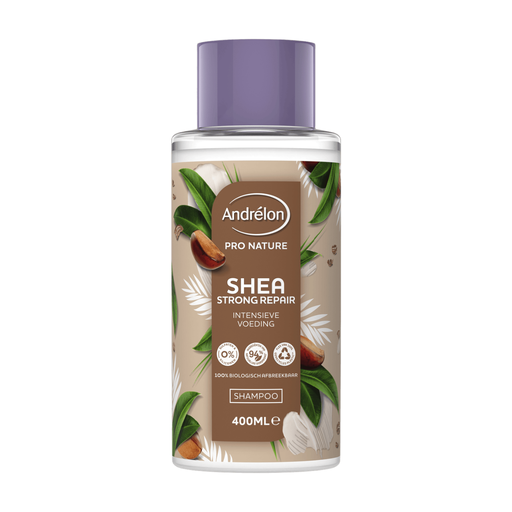
Why it fits this profile: A straightforward pack for anyone looking for a shampoo without sulphates and silicones for dry or damaged hair.
The product information clearly states 0% sulphates and silicones and 94% naturally derived ingredients. Check the current packaging for the full INCI list.
400 ml volume; shea butter; vegan according to the product specifications.
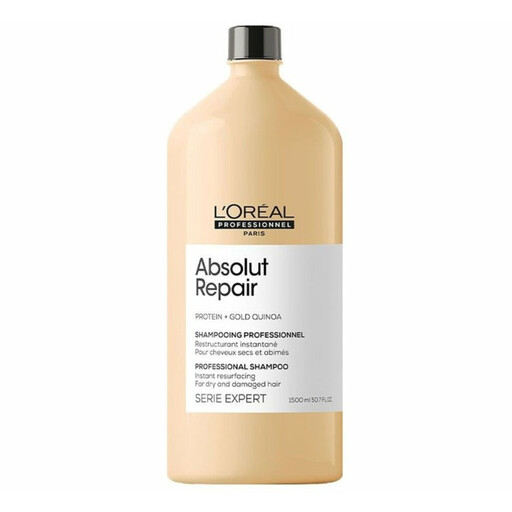
Why it fits this profile: A salon size for damaged, dry or chemically treated hair and households that wash frequently.
The formula is not sulphate-free or silicone-free according to the product details. That makes the choice verifiable rather than based on a general term like professional.
1500 ml volume; golden quinoa and proteins according to the product description; designed for nourishment and care.
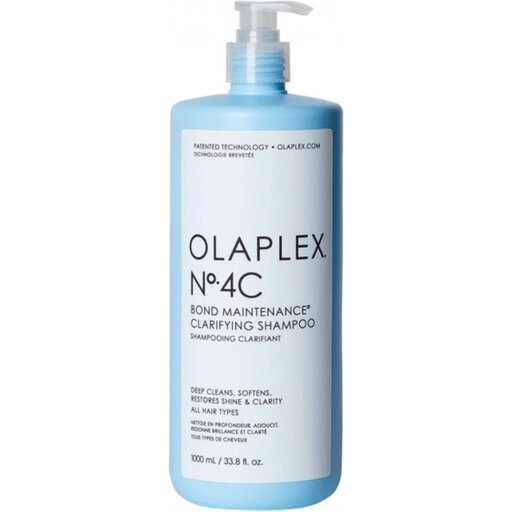
Why it fits this profile: Suitable for anyone wanting to tackle styling product build-up, excess oil or mineral deposits with a deep-cleansing shampoo.
The product description clearly states its purpose as clarifying. Use it as a targeted addition and not automatically as a daily shampoo.
1000 ml volume; vegan according to the product information; sulphate- and paraben-free according to the listed specifications.
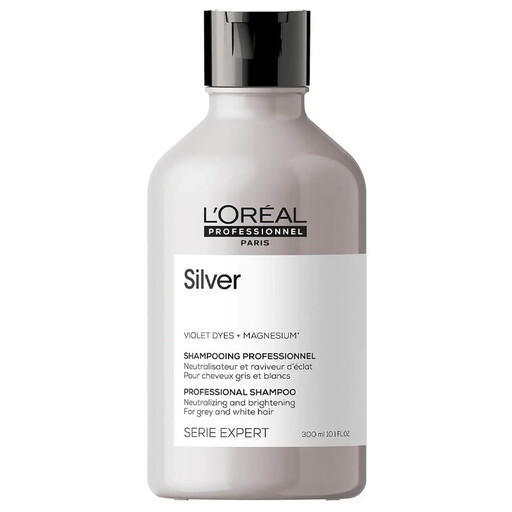
Why it fits this profile: A targeted choice for anyone looking for a silver shampoo for blonde hair, grey hair or white hair.
The violet pigments and the purpose of neutralising yellow or brassy tones are clearly stated. Follow the leave-in time on the packaging to avoid an overly strong colour result.
300 ml volume; designed for grey, white and light blonde hair; contains violet pigments according to the product details.
We’ve put together a full, up-to-date list of products that fully meet these strict selection criteria and comply with current European safety regulations.
Choose a formula that, according to the product information, is focused on nourishment, hydration or repair. Also pay attention to the cleansing ingredients and use conditioner on the lengths. A repairing shampoo doesn’t replace a haircut or hair treatment; brand claims describe the intended effect of their formula and are no guarantee for every hair type.
That depends on how much styling product you use, your water hardness and your sebum production. Start with occasional use and see how your hair feels. If it becomes rough or dry, alternate with a gentler shampoo for daily use.
Check the jar symbol on the packaging. “12M” usually means the product is intended for use within twelve months of opening. Keep the bottle tightly closed, away from direct sunlight, and watch for changes in smell, colour or texture. The exact shelf-life information on the packaging is what you should follow.
