
Vandaag of morgen in huis

Kwaliteit gegarandeerd

Welkomstaanbiedingen ontgrendelen: GRATIS bezorging | Tot 80% korting | Gratis 30 dagen JoyPlus-proefperiode
Download de app
Buying a new shampoo seems simple, until you have to choose between anti-dandruff shampoo, shampoo for dry hair, shine shampoo or a repairing shampoo. Marketing copy often promises stronger, fuller, shinier or healthier-looking hair. These claims only mean something when you consider them alongside the ingredients list, volume and intended use.
As a Joybuy Product Recommendation Officer, I filter product information down to practical points. This helps you see which shampoo suits your hair and avoid paying for a formula you do not need.
Terms such as “anti-hair-loss shampoo”, “repairs from within” and “up to 100% stronger” often come from brand communications. Such results may be based on the relevant brand’s own research or on specific testing conditions, so they may not reflect your experience. Shampoo is rinsed out, which means it is not the same as an intensive hair treatment.
So focus on what can be checked:
If you have persistent scalp problems or noticeable hair loss, shampoo is not a substitute for advice from a doctor or pharmacist.
A sulphate-free shampoo can be a good choice for people who colour their hair or prefer a less stripping feel. However, that does not mean every sulphate-free formula is suitable for every scalp. Other cleansing agents can also cleanse powerfully, while fragrance or certain preservatives may cause irritation for some users.
Always check the current ingredients list on the packaging. Brands can alter their formulas. For example, L’Oréal’s product information states that ingredients lists are updated regularly.
A 250 ml shampoo may appear cheaper than a 400 or 550 ml bottle, but the price per 100 ml provides a fairer basis for comparison. A shampoo multipack can be worthwhile for everyday use, provided you already know the formula and have enough storage space.
Also watch out for conflicting product information. The Pantene Repair & Protect listing gives the volume as 250 ml in the product details, while the product name states 400 ml. In this situation, check the packaging, current offer and volume before placing your order.
Choose your objective first, then the brand:
Sodium Laureth Sulfate and Sodium Lauryl Sulfate are cleansing ingredients found in several formulas. They are not automatically unsuitable, but they may feel too stripping for some people. Olaplex N°4 and L’Oréal Glycolic Gloss are described as sulphate-free in the product information.
Also look out for:
An ingredients list cannot tell you exactly how your hair will respond. Introduce a new routine gradually and avoid using several new products at the same time.
A large bottle is practical for a household with several users. Olaplex N°4 Bond Maintenance Shampoo is available in a 1000 ml bottle. For trying a product or travelling, 250 ml or 285 ml may be more convenient.
Focus on washing your scalp and allow the lather to run through the lengths. Rinse thoroughly. If your hair is dry or damaged, conditioner can often make combing easier. The shampoo alone does not need to provide all the conditioning your hair needs.
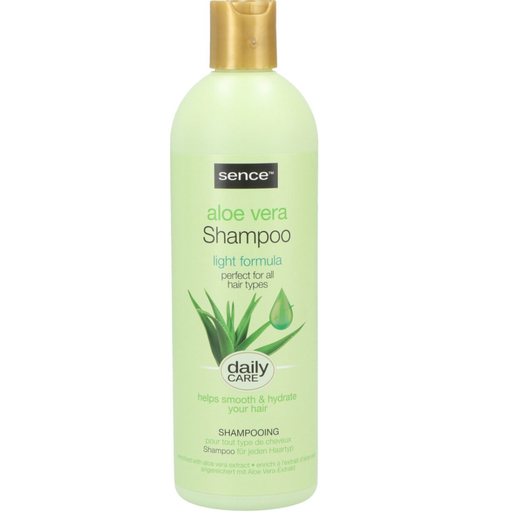
Why it suits this profile: The 400 ml bottle is practical for regular use, and the product description focuses on dry and damaged hair with aloe vera extract.
The choice is based on volume and the stated use, rather than an unsubstantiated promise about hair growth or repair.
400 ml; aloe vera extract according to the product description; designed for dry and damaged hair.
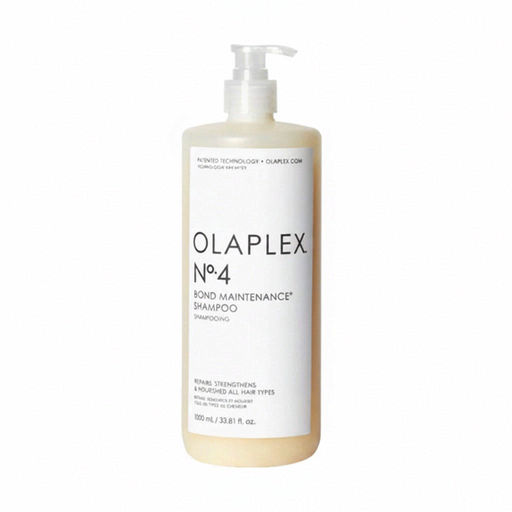
Why it suits this profile: A large bottle suits an established haircare routine and shoppers looking for a sulphate-free, colour-safe formula.
The product information clearly outlines the formula’s properties and volume, rather than relying solely on a general claim about shine or repair.
1000 ml; sulphate-free according to the product information; suitable for coloured hair and various hair types.
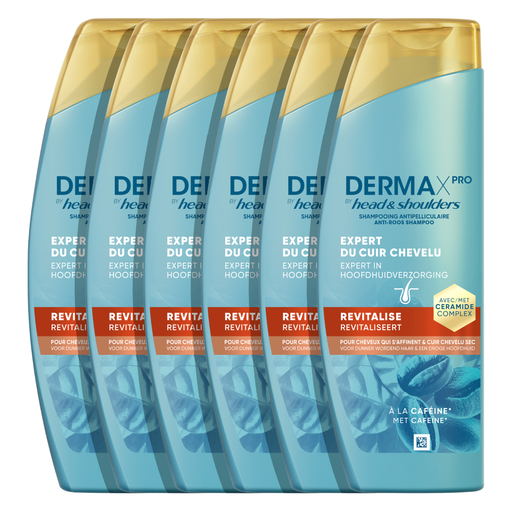
Why it suits this profile: This shampoo multipack is aimed at users who regularly use anti-dandruff shampoo and mention a dry scalp and thinning hair.
The product information mentions piroctone olamine and its use for visible dandruff. Claims about hair retention come from the brand and are not a guarantee.
Six 250 ml bottles; piroctone olamine in the ingredients list; contains caffeine and a ceramide complex according to the product information.
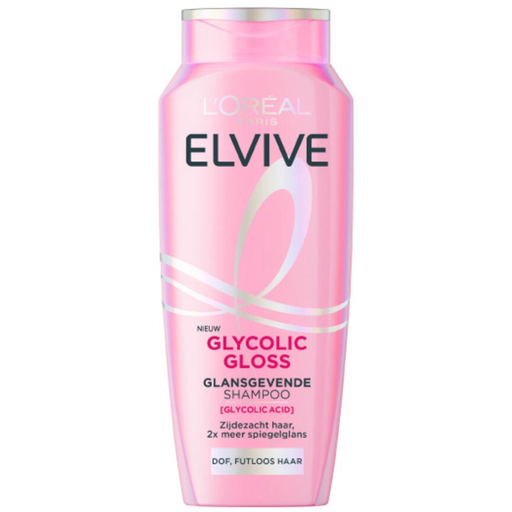
Why it suits this profile: The product description focuses on dull and porous hair and mentions a sulphate-free formula with glycolic acid.
The choice is linked to a specific hair concern and stated formula information, rather than just the word “shine”.
250 ml; sulphate-free according to the product description; intended to provide shine, softness and a smoother-feeling hair surface.
We have put together a complete, up-to-date list of products that fully meet these strict selection criteria and the applicable European safety regulations.
Choose a shampoo for dry hair with conditioning ingredients such as glycerine, panthenol or plant oils. Also use conditioner on the lengths. If your scalp becomes greasy quickly, apply the shampoo mainly to the scalp rather than generously to the ends.
Check the packaging for the expiry information and the open-jar symbol, such as 12M. Keep the bottle closed, dry and away from direct sunlight. Has the smell, colour or texture changed? Stop using the product.
That depends on the total price and volume. Divide the price by the number of bottles, then compare the price per 100 ml with a single bottle of shampoo. A multipack is particularly practical when you already know the formula and use it regularly.
