
Vandaag of morgen in huis

Kwaliteit gegarandeerd

Welkomstaanbiedingen ontgrendelen: GRATIS bezorging | Tot 80% korting | Gratis 30 dagen JoyPlus-proefperiode
Download de app
A new shampoo may seem like a simple purchase, but the differences between formulas can be significant. Dry hair needs a different approach than oily hair, while fine hair can quickly become weighed down by a formula that is too rich. Terms such as “natural,” “repairing” and “volume” only become meaningful when you check the ingredients, size and directions for use.
As a Joybuy Product Recommendation Officer, I filter the most important product information so you can assess marketing claims more effectively and make a more informed choice.
A shampoo with a high percentage of ingredients of natural origin may sound appealing. However, it is primarily the complete ingredients list that determines whether a formula suits your hair and scalp. For example, a product may contain perfume or certain fragrance substances even when it is marketed as a natural shampoo.
Therefore, check:
Terms such as repair shampoo, “reconstruction” or “less hair breakage” often refer to product claims made by the brand. A brand’s own research or instrumental testing may measure certain results, but those outcomes are not automatically the same for every user.
A shampoo primarily cleanses the scalp and hair. For additional conditioning, you may need a conditioner or hair mask. Also pay attention to product combinations: according to the product information, some claims only apply when you use multiple products from the same range.
A 400 ml bottle may seem good value, but a value pack can offer a lower price per millilitre if you use the product regularly. On the other hand, a larger pack requires more storage space and is less convenient if you want to try a formula first.
Therefore, compare the price per 100 ml, not just the total price. For a 70-gram shampoo bar, a comparison per gram makes more sense than comparing it with a liquid bottle.
Use the following overview as a starting point:
Sulphate-free shampoo uses different cleansing agents from formulas containing, for example, sodium laureth sulfate. This does not automatically mean that the shampoo is milder or more suitable for everyone. The lather and cleansing power may feel different.
Silicone-free shampoo does not contain silicones such as dimethicone in the listed ingredients. Some users choose this because they prefer a lighter or more natural feel in their hair. Check the current packaging, as formulas may change.
A vegan shampoo, natural shampoo or shampoo bar may suit more conscious purchasing decisions, but check exactly which property is being stated:
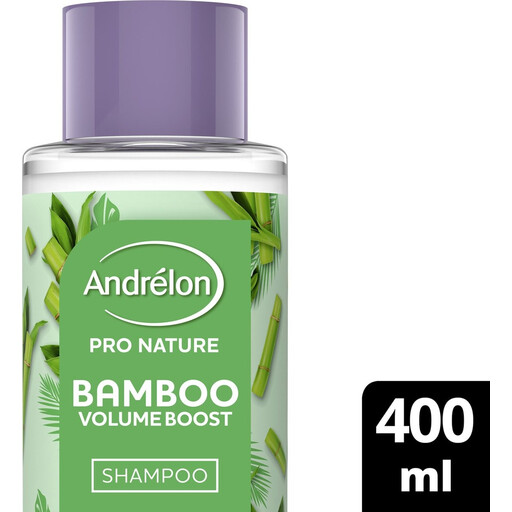
Why it’s a good fit: A practical choice for adults with limp or fine hair who want a standard bottle and a lightweight volumising focus.
The product information clearly states 400 ml, a sulphate-free and silicone-free formula, and 94% ingredients of natural origin. Check the current packaging for the definitive claim.
Bamboo extract, coconut water and plant-based cleansers are listed among the stated ingredients; the variant is designed to create lightweight volume.
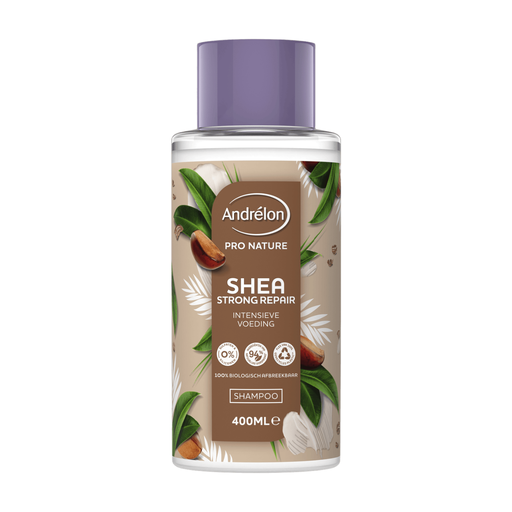
Why it’s a good fit: Suitable for those who primarily want to wash dry or damaged hair with a formula focused on nourishment and conditioning, according to the description.
The stated formula contains 0% sulphates and silicones and lists shea butter as an ingredient. The claims are based on product information provided by the brand.
400 ml capacity, a vegan claim and a formula with 94% ingredients of natural origin, according to the product details.
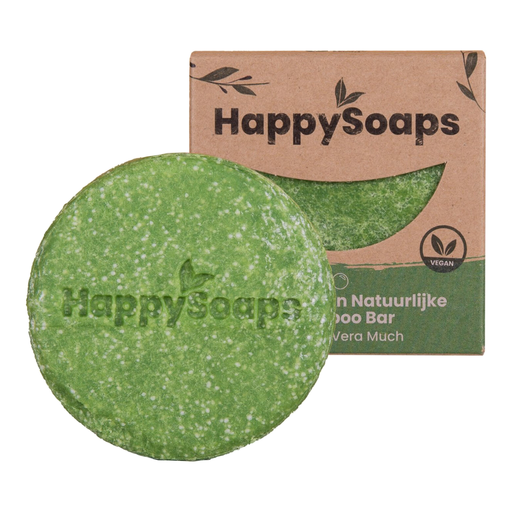
Why it’s a good fit: A shampoo bar for anyone who values plastic-free packaging, vegan care and a compact format.
The product comes as a solid 70-gram bar, so you do not inadvertently buy a large bottle before trying the formula. Allow the bar to dry thoroughly after use.
According to the product details, this bar is vegan, plastic-free and intended for normal, oily and damaged hair.
Explore a current selection of natural hair-care shampoos and compare size, hair type, ingredients and packaging claims.
For babies and children, a dedicated formula is generally more practical than an adult shampoo. According to the product information, Naïf Nourishing Shampoo for Babies & Kids is intended for babies, toddlers and children. The stated formula contains coco-glucoside, glycerine and cotton extract, among other ingredients, and does not list SLS/SLES or parabens.
Always read the directions for use and avoid contact with the eyes, even when a product is described as mild or eye-friendly. If irritation persists, discontinue use.
This depends on your scalp, hair texture, styling products and daily activities. Oily hair may require more frequent washing than dry or curly hair. Start by following the product’s directions and adjust the frequency according to how your hair and scalp feel.
No. Sulphate-free is a specific formulation characteristic, not a general measure of quality. Some people prefer the feel of a sulphate-free shampoo, while others favour stronger cleansing power and more lather. Consider your hair type and check the ingredients list.
Follow the expiry and period-after-opening information on the packaging. Products in the reference collection list different storage periods, including a period after opening of 6 or 12 months. Keep shampoo closed, dry and away from direct sunlight unless the label provides different instructions.
