
Vandaag of morgen in huis

Kwaliteit gegarandeerd

Welkomstaanbiedingen ontgrendelen: GRATIS bezorging | Tot 80% korting | Gratis 30 dagen JoyPlus-proefperiode
Download de app
Buying a new shampoo seems simple enough – until you have to choose from formulas for dry, oily, curly, coloured or damaged hair. Claims like “natural”, “restorative” and “volume” sound appealing, but they don’t always tell you what to expect when you wash. Even a shampoo deal with a large bottle or multipack isn’t automatically good value if the formula doesn’t suit your hair or scalp.
With this practical guide, you can focus on the information that really matters: your hair type, the ingredients, the volume and the intended use.
A product may boast a high percentage of naturally derived ingredients and still contain fragrance or certain cleansing agents. Always check the full ingredients list. Don’t just look for words like natural, plant-based or with extracts.
A shampoo with bamboo, coconut, aloe vera or honey can feel pleasant, but the effect depends on the overall formula and your own hair. According to the product description, Andrelon Pro Nature Bamboo, for example, contains 94% naturally derived ingredients and is sulphate- and silicone-free. These are verifiable product details; they don’t guarantee that every hair type will get the same result.
Marketing copy often uses terms like repair, recovery or restores damaged hair. Hair fibres that have been affected by heat, colouring or bleaching cannot literally be returned to their original state. A nourishing shampoo can, however, make hair feel smoother, softer and more manageable.
According to Syoss’s own research, the Repair formula, when used with the matching conditioner, can reduce hair breakage by up to 90%. This claim applies under the stated conditions of use and should not be read as a general guarantee.
A 400 ml or 440 ml bottle may look cheap per unit, but also check the price per 100 ml and the shelf life after opening. A multipack of six bottles makes sense when several family members use the same formula, or when you already know and trust a particular shampoo. For a new formula, a single bottle is a sensible first purchase.
Start by choosing based on your daily situation:
Sulphate-free shampoo uses different cleansing agents than formulas containing, for example, sodium laureth sulfate. Some people find a sulphate-free formula more pleasant for dry hair, curls or a sensitive scalp. Others prefer a stronger lathering feel.
Check the claim on the product page and packaging. Andrelon Pro Nature Bamboo, Shea and Coco Curl Creation are listed as sulphate-free according to the product specifications. Syoss Repair, on the other hand, states that the formula is not sulphate-free. That doesn’t automatically make one formula suitable for everyone; it simply helps you compare more effectively.
A silicone-free shampoo can suit shoppers who want a lighter hair care routine. Silicones can, however, make hair feel smooth, which some users find beneficial. So check the ingredients list rather than just the front of the bottle.
If you have a sensitive scalp, it’s wise to check for fragrance ingredients and known fragrance allergens. Products may contain ingredients such as limonene, linalool or hexyl cinnamal. Stop using if irritation occurs and always follow the warnings on the packaging.
Compare the amount: many single bottles contain between 200 ml and 400 ml, while a value pack contains significantly more product. A shampoo bar is an alternative to a bottle. The HappySoaps bar contains 70 g and is listed as plastic-free and vegan according to the product information. The Love Beauty and Planet Shampoo Bar contains 90 g and states it uses 100% recycled and recyclable packaging.
Allow a shampoo bar to dry thoroughly after use. This prevents the bar from becoming unnecessarily soft and being used up more quickly.
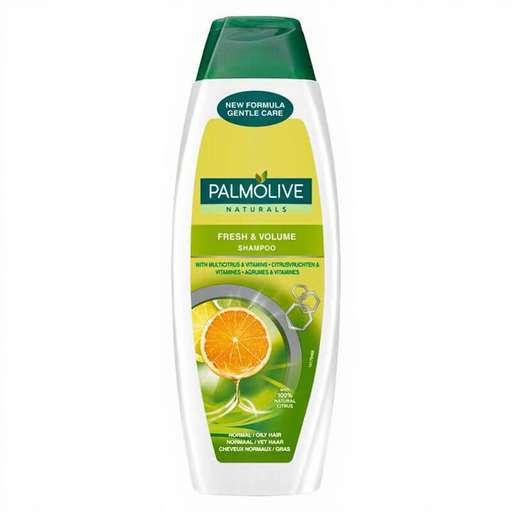
Why this fits the profile: A straightforward choice for normal hair and shoppers who want to try a standard pack without committing to a multipack straight away.
The product information states 350 ml and an ingredients list, so you can check the volume and cleansing ingredients rather than relying solely on the “volume” claim.
350 ml volume; citrus extracts are used according to the product description for a fresh feel and volume.
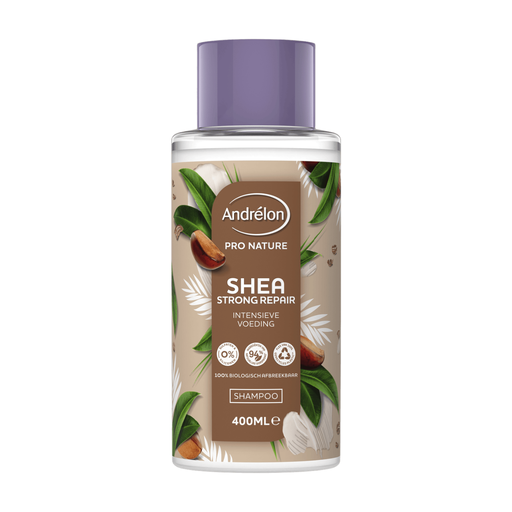
Why this fits the profile: Suits adults with dry or coarse hair who want a nourishing shampoo without sulphates and silicones.
The product specifications explicitly state 0% sulphates and silicones and 94% naturally derived ingredients. Check these details again on the packaging when you receive it.
400 ml; shea butter in the ingredients list; according to the product specifications, it is vegan and dermatologically tested.
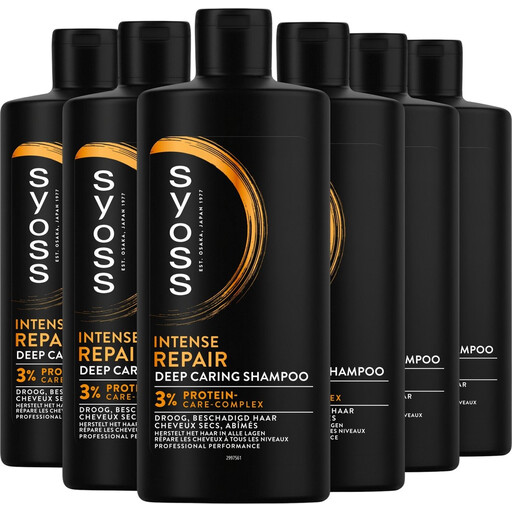
Why this fits the profile: Handy for households that wash regularly and already know that a formula for dry or damaged hair works for them.
The packaging clearly states six bottles of 440 ml, totalling 2640 ml. It also states that the formula is not sulphate-free and not silicone-free, so you can make an informed choice.
Value pack of 6; 440 ml per bottle; vegan according to the product information and bottles made from 100% recycled plastic, excluding cap and label.
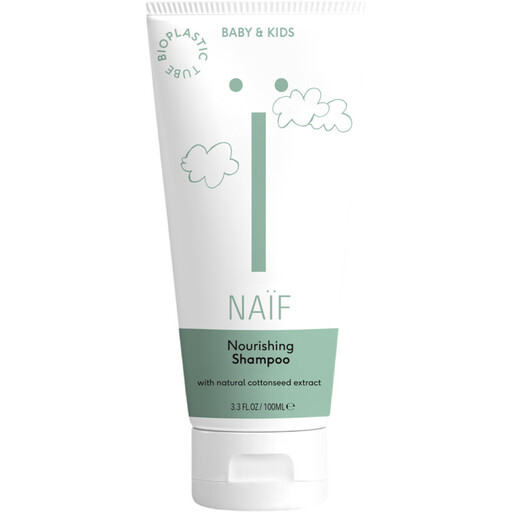
Why this fits the profile: Designed for babies, toddlers and children, with product information about use on fine hair and a sensitive scalp.
The formula and target audience are specifically stated. The claim that the product does not irritate the eyes comes from the brand’s product description; still avoid contact with the eyes.
200 ml; intended for babies and children; according to the product information, it is free from SLS/SLES, parabens, microplastics and mineral oil.
We’ve put together a full, up-to-date list of products that fully meet these strict selection criteria and comply with current European safety regulations.
Apply shampoo mainly to the scalp, where sebum and styling residue build up. The lengths are usually cleansed sufficiently as the lather is rinsed out. Use lukewarm water and rinse thoroughly. For dry or curly hair, washing less often can help prevent unnecessary drying, but the right frequency varies from person to person.
Store a shampoo bar in a dry place and screw the cap back on a bottle tightly. Check the expiry date and the period after opening on the packaging. Product information can change from one pack to another, so the label is always the final authority.
Choose a shampoo for oily hair with a cleansing, not-too-heavy formula. According to the product information, Timotei Pure Green Tea is designed for oily hair, contains 400 ml and is silicone-free. Also consider how often you wash: very harsh cleansing can make your scalp feel less comfortable.
No. Sulphate-free means that a certain group of cleansing agents is not present in the formula. That can suit dry hair, curls or a preference for a mild lather, but it is not a universal quality guarantee. Compare the full ingredients list and pay attention to how your hair and scalp react.
That depends on your hair length, how often you wash and how much you use. A 200 ml bottle may be enough for one person for several weeks; a 2640 ml multipack is more suitable for heavy or shared use. Always compare the price per 100 ml and check the stated period after opening.
