
Vandaag of morgen in huis

Kwaliteit gegarandeerd

Welkomstaanbiedingen ontgrendelen: GRATIS bezorging | Tot 80% korting | Gratis 30 dagen JoyPlus-proefperiode
Download de app
When you shop for shampoo online, you’ll soon come across terms such as “restorative”, “intensely nourishing” and “professional formula”. On their own, these words don’t tell you much. A shampoo that feels great on dry hair may be too heavy for an oily scalp. And a large salon-size bottle isn’t automatically better value if the formula isn’t right for your hair.
Use this practical checklist to choose more confidently between shampoo for dry hair, shampoo for damaged hair, daily shampoo or a product for coloured or long hair.
Brands often go into detail about ingredients and the results you can expect. Claims such as “repair”, “hair growth” or “colour protection” should be read as product information from the brand, not as a universal guarantee. The brand’s own research also suggests that results can vary from person to person. So start by checking the ingredients list, hair type and directions for use.
A shampoo may leave your hair feeling softer or looking shinier, but that doesn’t automatically mean it will permanently repair split ends. Damaged ends can’t literally grow back together.
A sulphate-free shampoo may appeal if you’re looking for a gentler cleanse or want to wash coloured hair as carefully as possible. But sulphates aren’t a problem for everyone. A shampoo containing sulphates may actually be useful if you have an oily scalp or use lots of styling products.
Look at the formula as a whole. For example, according to the product information, Andrélon Everyday contains Sodium Laureth Sulfate, while CYCLEAR Salon Link is listed as sulphate-free. The right choice depends on your scalp, how often you wash your hair and your personal preferences.
A 1500 ml bottle may seem like good value, but it takes up more space and may be less practical without a pump. So check:
Start by choosing a product for your main concern. For long hair, products such as L’Oréal Pro Longer are designed for lengths and ends. For dry or damaged hair, look for formulas with oils, proteins, amino acids or conditioning ingredients. For coloured hair, a product such as L’Oréal Vitamino Color is specifically described as colour care.
Also consider the difference between your hair and your scalp. Dry lengths need conditioning through the mid-lengths and ends, while an oily scalp mainly needs the right kind of cleanse. In most cases, don’t apply conditioner or hair oil serum generously to your scalp unless the instructions say to.
Check the ingredients if you’re sensitive to fragrance, essential oils, salicylic acid or certain cleansers. Andrélon Everyday lists fragrance ingredients and allergens such as linalool and limonene. Some products contain silicones, which can make hair feel smoother but may not suit everyone’s haircare routine.
A formula containing salicylic acid, such as some scalp care products, calls for extra attention to the warnings. Use these products according to the label and stop if irritation occurs. An anti-dandruff shampoo or scalp treatment isn’t a substitute for medical advice if symptoms persist.
A daily shampoo should suit how often you wash your hair. Gently massage it into your scalp, rinse thoroughly and don’t automatically use more just because your hair is long or thick. If you use a lot of wax, gel or pomade, you could consider using a deep-cleansing shampoo from time to time, such as Uppercut Detox & Degrease.
Be especially cautious about hair-loss claims. According to the product description, Lucovitaal Shampoo for Hair Loss is intended to help reduce hair loss, but individual results may vary. Hair loss can have many causes; if the changes are sudden or ongoing, it’s sensible to speak to a doctor.
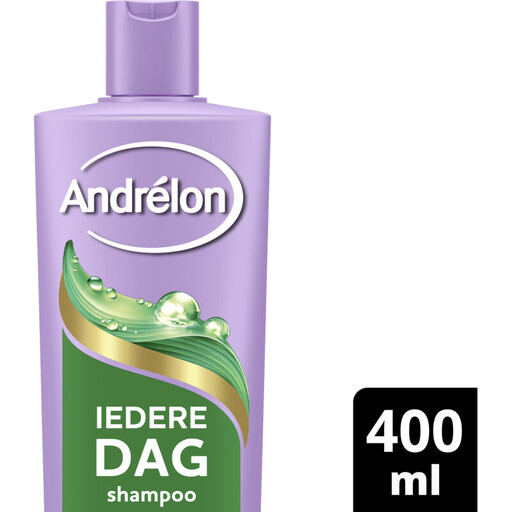
Why it suits this profile: According to the product information, the formula is intended for daily cleansing of hair and scalp and contains sunflower oil.
The 400 ml bottle is a manageable choice, so you don’t have to buy a large amount straight away. The ingredients list is available so you can check whether it suits your fragrance and sulphate preferences.
400 ml; intended for all hair types; suitable for daily use according to the product description.
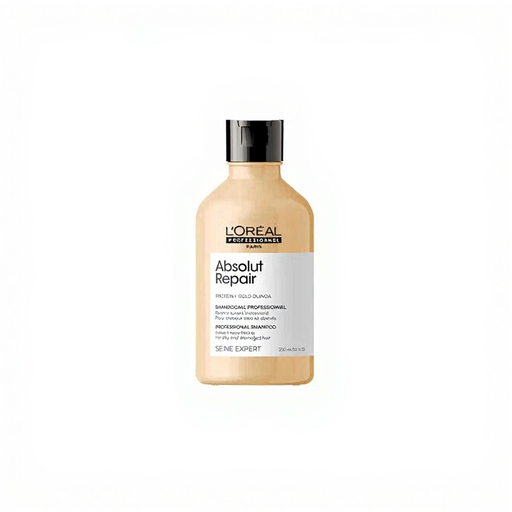
Why it suits this profile: The product description mentions golden quinoa and proteins for dry and damaged hair, in a lightweight formula.
The description makes the product’s intended use clear. However, check that you don’t need a sulphate-free formula, as no such claim is made here.
300 ml; designed for dry and damaged hair; described as vegan in the product information.
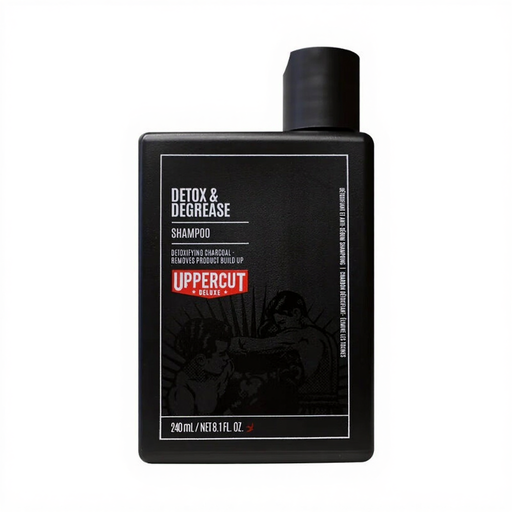
Why it suits this profile: According to the product description, this shampoo is designed for people who use pomade, wax or gel, and to remove product build-up and excess oil.
Its intended use is clearly defined. That means you don’t have to use a deep-cleansing formula as your daily shampoo for dry hair.
240 ml; targets styling product build-up and excess oil; suitable for all hair types according to the product information.
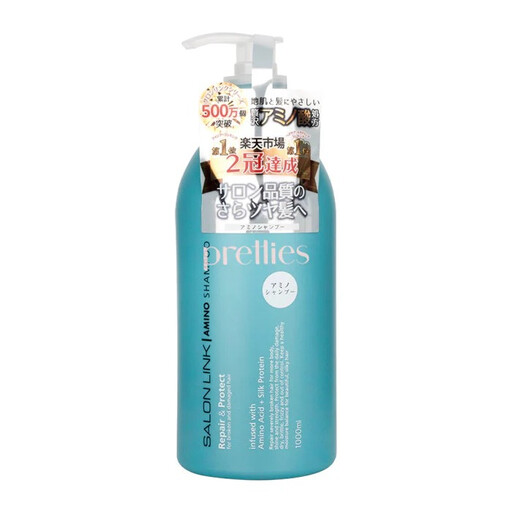
Why it suits this profile: Combining shampoo and conditioner in a 1000 ml bottle is practical for frequent use at home or in a salon.
The product information explicitly describes a sulphate-free formula with amino acid ingredients. Even so, check the current packaging if you have allergies.
1000 ml; shampoo and conditioner in one; sulphate-free according to the product description.
We’ve put together a complete, up-to-date list of products that meet these strict selection criteria and the applicable European safety regulations.
Look for products that contain conditioning ingredients such as oils, proteins or amino acids, according to the ingredients list and product information. Shampoo for damaged hair is primarily for cleansing, so for extra conditioning, use a conditioner or hair oil serum on the lengths and ends too.
It depends on your scalp, activity levels and styling routine. Daily washing may suit a normal to oily scalp, while dry or curly hair may feel better if washed less often. Use a small amount and rinse thoroughly. A deep-cleansing shampoo is particularly useful when styling products start to build up.
Not always. A 1000 or 1500 ml bottle may work out cheaper per millilitre, but compare the price, how much you use and how long it lasts after opening. A salon-size bottle can make sense for a salon or a large household. For occasional use, a smaller bottle is often easier to manage and more practical.
