
Vandaag of morgen in huis

Kwaliteit gegarandeerd

Welkomstaanbiedingen ontgrendelen: GRATIS bezorging | Tot 80% korting | Gratis 30 dagen JoyPlus-proefperiode
Download de app
Buying a new shampoo might seem straightforward, but the choice is vast. Whether you’re looking for shampoo for dry hair, a product for an oily scalp, or a shampoo for curly hair, you’ll quickly come across terms like “intensive repair”, “natural” and “anti-hair loss”. These words don’t always tell you what the formula actually does in practice.
So, focus on verifiable information instead: the hair type the shampoo is designed for, the ingredients list, the volume, and how often it should be used. That way, you avoid paying for a promise that doesn’t match your hair or scalp.
Aloe vera, coconut oil, shea butter and green tea all sound appealing. Yet it’s the complete formulation that determines how a shampoo feels and cleans. So don’t just look at one ingredient on the front; also check the ingredients list on the packaging.
A hydrating shampoo can be lovely for dry or coarse hair, while a rich formula might weigh fine hair down. Conversely, a strongly cleansing shampoo can feel too drying on a dry scalp.
A sulphate-free shampoo doesn’t contain certain sulphate cleansers, but that doesn’t automatically mean the formula is better for everyone. Sulphates can clean effectively, while sulphate-free cleansers often feel gentler. The right choice depends on your scalp, washing frequency and styling habits.
The same goes for a silicone-free shampoo. Silicones can make hair feel smoother, but some people avoid them due to personal care preferences. Always check the specific claim and the ingredients list.
A shampoo 1000 ml might look appealing for daily use or a multi-person household. However, compare the price per 100 ml and check whether everyone can use the same formula. A clarifying shampoo or an intensive cleansing shampoo, for example, isn’t always intended for every wash.
First, choose based on the needs you notice every day:
If you have persistent itching, flakes, irritation or noticeable hair loss, it’s wise to consult a GP or pharmacist. An anti-dandruff shampoo may be intended for visible flakes, but the cause of scalp issues varies from person to person.
A daily shampoo should be practical for regular washing. A clarifying shampoo is generally designed for a deeper clean of oil, styling residue and mineral deposits. Use such a product according to the label and adjust the frequency based on how your hair responds.
A professional shampoo may have a specific application or larger packaging, but “professional” doesn’t guarantee the formula will suit your hair. Look at the volume, instructions and target audience.
Compare:
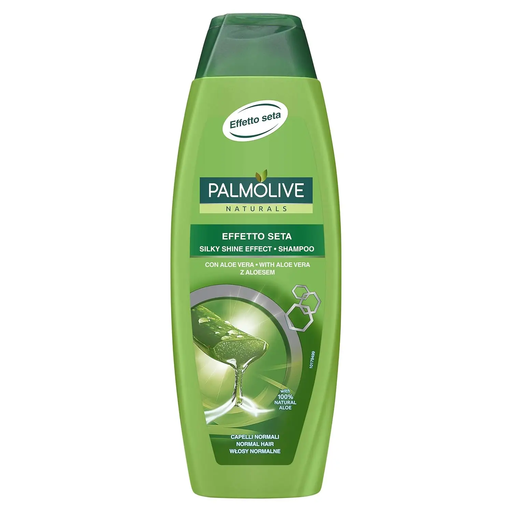
Why this fits the profile: A straightforward 350 ml bottle for anyone looking for a regular shampoo for frequent use without buying a large stock straight away.
The product information clearly states the volume, aloe vera and suitability for frequent use, so you don’t have to base your choice on a marketing term alone.
350 ml volume; aloe vera in the product description; instructions for use on wet hair, massage in and rinse out.
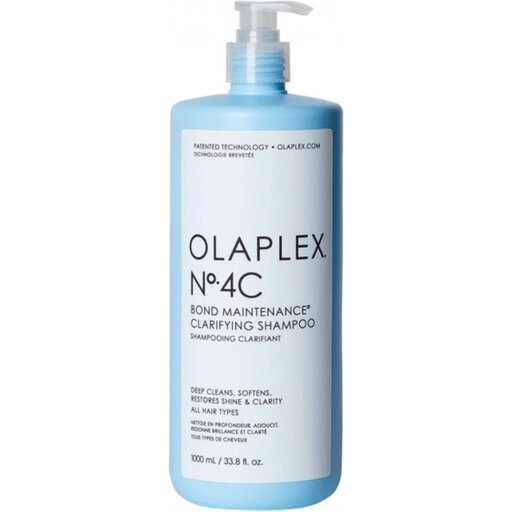
Why this fits the profile: A large bottle for users who regularly use styling products and want to add a clarifying shampoo to their routine.
The product description explicitly mentions deep cleansing and the removal of product residue and minerals. Don’t automatically use it as a daily shampoo.
1000 ml volume; vegan according to the product information; designed for clarifying use and suitable according to the description for different hair types.
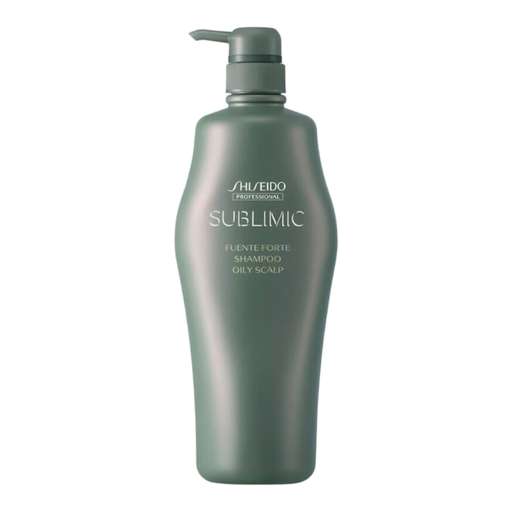
Why this fits the profile: Designed for users specifically looking for a shampoo for an oily scalp and who value a large bottle.
The variant is clearly labelled for an oily scalp. This makes the choice more specific than a general shampoo with just a fresh scent claim.
1000 ml volume; product description mentions removal of excess oil; usage advice includes massaging in for three minutes.
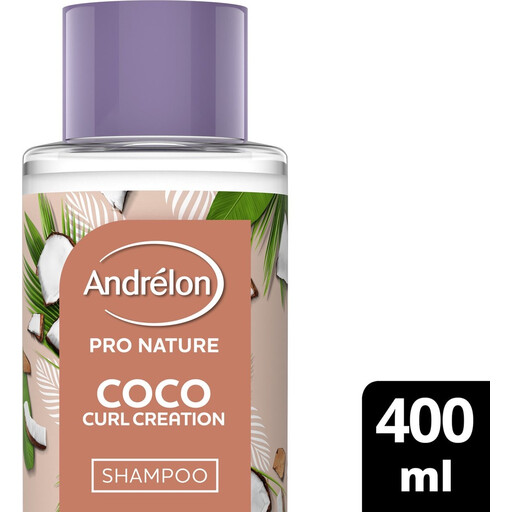
Why this fits the profile: According to the product information, this variant is designed for curly hair and contains 0% sulphates and silicones.
The formula not only mentions coconut oil, but also the target audience, its sulphate- and silicone-free nature, and the proportion of naturally derived ingredients.
400 ml volume; for curly hair; 0% sulphates and silicones according to the product description; 94% naturally derived ingredients according to the manufacturer.
We’ve put together a full, up-to-date list of products that fully meet these strict selection criteria and comply with current European safety regulations.
That depends on your scalp, hair texture and daily activities. An oily scalp may need more frequent washing, while dry or curly hair sometimes responds better to less frequent washing. Follow the instructions and pay attention to whether your hair feels tight or gets greasy quickly.
Check the expiry information on the packaging. Also look for the symbol indicating the period after opening, if present. Store the bottle in a cool, dry place, close the cap properly and avoid letting water sit in the bottle.
Not necessarily. Compare the price per 100 ml, the amount needed per wash and how suitable it is for your hair. A large bottle or multi-pack can be practical, but only if you use the formula regularly.
