
Vandaag of morgen in huis

Kwaliteit gegarandeerd

Welkomstaanbiedingen ontgrendelen: GRATIS bezorging | Tot 80% korting | Gratis 30 dagen JoyPlus-proefperiode
Download de app
Buying a new shampoo seems simple, until you have to choose from dozens of varieties. A product for dry hair, damaged hair, a sensitive scalp, oily hair or daily use: every bottle promises something different. However, the right choice depends less on attractive wording on the label and more on your hair type, scalp and the ingredients list.
Words such as aloe vera, argan oil or honey attract attention, but they do not tell you how much of that ingredient the formula contains. So always check the full ingredients list too. If a conditioning ingredient appears near the end, the amount is probably limited. An aloe vera shampoo may feel pleasant, but it is not automatically suitable for every scalp.
An oily scalp with dry ends requires a different approach from completely dry hair. A highly nourishing shampoo for dry hair may work well for rough lengths, but feel heavy on fine hair. Conversely, a cleansing shampoo for oily hair can leave the lengths looking dry.
Claims such as “up to 95% more volume” or “up to 100% dandruff-free” depend on the conditions of use and the testing method. According to the brand’s own research or tests, such results may have been measured in a particular group of users. Treat them as product information, not as a guaranteed result for everyone.
Also watch out for confusion between shampoo and conditioner. For example, the Garnier product with coconut milk and macadamia is described as a conditioner in the supplied product information, despite the product title containing “shampoo”. So always check the packaging, product category and directions for use before buying.
First, choose the most important need:
If you are looking for a silicone-free shampoo, check the full ingredients list. According to the product information, Garnier Loving Blends Argan & Camellia lists a silicone-free formula and 94% of its ingredients as being of natural origin. However, “natural” does not automatically mean fragrance-free, hypoallergenic or suitable for a sensitive scalp.
Also pay attention to sulphates, fragrance and preservatives. These ingredients are not necessarily undesirable, but they may be a reason for some users to choose an alternative. For example, Naïf Nourishing Shampoo for Babies & Kids states that the product is free from SLS/SLES, parabens, microplastics and mineral oil.
A large bottle is not always the most economical option. Compare the volume and consider how much shampoo you use per wash. Available sizes in the range vary from 200 ml to 1 litre. Sebamed Daily Shampoo, for example, is available in a 1-litre bottle with a pump, while the 400 ml version may be more convenient for a smaller bathroom or when travelling.
Follow the instructions on the packaging. In most cases, you apply shampoo to wet hair, massage mainly the scalp and rinse thoroughly. The lengths are usually cleansed sufficiently as the lather is rinsed through them.
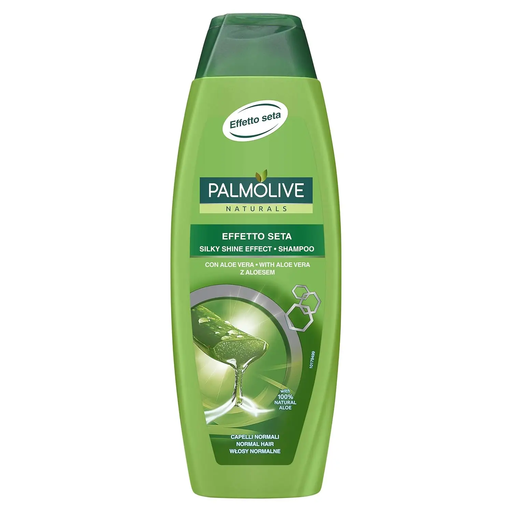
Why it suits this profile: An uncomplicated choice for anyone looking for a shampoo for daily use with a familiar conditioning ingredient. The 350 ml size is practical for an established routine.
The product information clearly states the aloe vera variant, the volume and its suitability for regular washing. However, always check the current ingredients on the packaging.
350 ml volume; aloe vera listed as the variant; according to the product description, intended to leave dry-feeling hair soft and looking shiny.
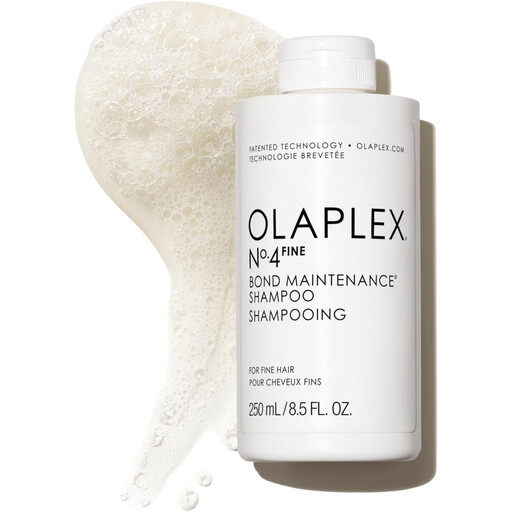
Why it suits this profile: Designed for people with fine hair who want more than cleansing, with a focus on body, shine and chemically treated hair.
The product description explicitly mentions fine hair, chemically treated hair and cleansing without stripping the hair, according to the brand claim. It is still important to compare the price per 250 ml.
250 ml volume; intended for fine hair; according to the product information, vegan, colour-safe and dermatologically tested.
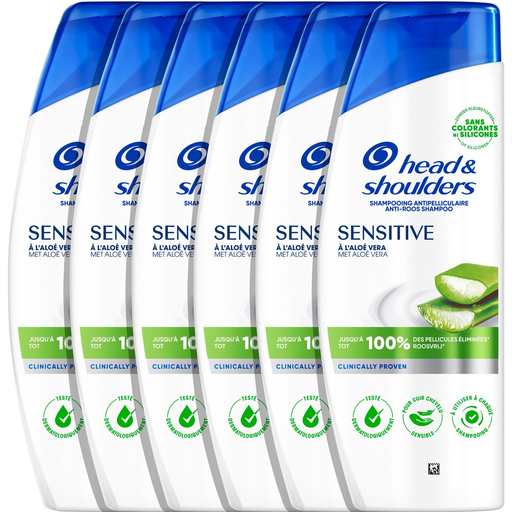
Why it suits this profile: For anyone specifically looking for an anti-dandruff shampoo who also needs to take a sensitive scalp into account.
The active ingredient piroctone olamine appears in the ingredients list. Claims about its effectiveness come from the manufacturer and, according to the product information, apply when used regularly.
250 ml volume; contains piroctone olamine; aloe vera listed in the formula; stated by the manufacturer to be suitable for daily use.
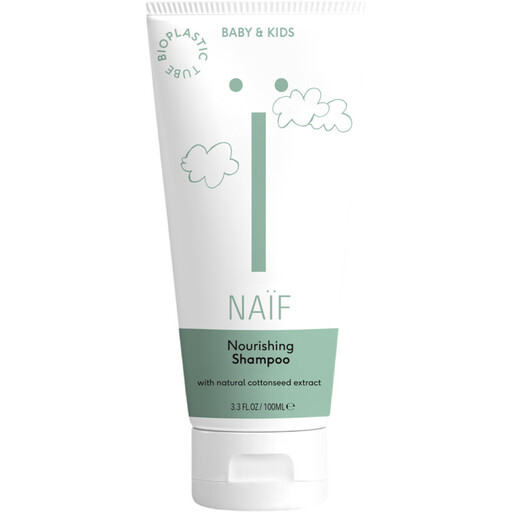
Why it suits this profile: According to the product information, this baby shampoo was developed for babies, toddlers and children and contains coconut fibre and cotton extract.
The target group and directions for use are clearly stated. The manufacturer says that the formula is free from SLS/SLES and parabens; check the packaging if you have a known allergy.
200 ml volume; intended for babies and children; according to the product information, free from microplastics and mineral oil.
We have put together a complete, up-to-date list of products that fully meet these strict selection criteria and the applicable European safety regulations.
That depends on your scalp, sporting activities, styling products and sebum production. A shampoo for daily use may be suitable for frequent washing, but do not automatically use more product than necessary. Massage a small amount into the scalp and rinse thoroughly.
Check the expiry information or the period after opening on the packaging. Keep the bottle closed, cool and out of direct sunlight. If the smell, colour or texture changes noticeably, stop using the product.
No. A silicone-free shampoo may appeal if you are looking for a lightweight feel or a specific routine, but it is not a general guarantee of quality. Consider the formula as a whole and choose one that suits your hair and scalp. Stop using it if irritation occurs, and consult a doctor or pharmacist if symptoms persist.
