
Vandaag of morgen in huis

Kwaliteit gegarandeerd

Welkomstaanbiedingen ontgrendelen: GRATIS bezorging | Tot 80% korting | Gratis 30 dagen JoyPlus-proefperiode
Download de app
Buying a new shampoo seems simple, until you have to choose between dozens of varieties. A formula for dry hair may feel too heavy on an oily scalp. Silver shampoo can make blonde locks look cooler, but it is not intended as an everyday cleanser. And a large salon-size bottle may seem better value, while lacking a pump or convenient dispensing system.
The biggest pitfalls are often hidden in marketing language:
Your scalp mainly determines how thoroughly and how often you want to cleanse. With shampoo for oily hair or an oily scalp, cleansing ingredients are relevant. According to the product information, Andrelon Longer Fresh is intended for oily hair and contains, among other ingredients, Sodium Laureth Sulfate. The formula is designed to leave your hair feeling clean and fresh.
A dry scalp or dry lengths often call for a gentler approach. With shampoo for dry hair, look for glycerine, oils, shea butter or conditioning polymers. Bear in mind that a nourishing formula can feel heavy more quickly on fine hair.
Anyone looking for a sulphate-free shampoo usually wants a formula without commonly used sulphate cleansers such as Sodium Laureth Sulfate or Sodium Lauryl Sulfate. This can be beneficial if you have a sensitive hair structure, coloured hair or prefer a gentler cleanse. However, sulphates are not automatically bad: they can effectively remove oil and styling residue.
A silicone-free shampoo contains no silicones such as dimethicone or amodimethicone. Silicones can leave hair feeling smooth, but some users avoid them because of build-up or personal preference. Check the current packaging, as ingredients lists can change.
Andrelon Pro Nature Shea states that it contains 0% sulphates and silicones, as well as 94% ingredients of natural origin. According to the product information, the formula is vegan and contains shea butter and coconut oil. The product also contains coumarin, so always check the label if you have sensitivities.
A 250 to 300 ml bottle is useful when you want to try a specialist shampoo first, such as silver shampoo or a formula for blonde hair. A size of 400 to 550 ml is better suited to regular use. For families, salons or frequent users, 1,000 to 1,500 ml can be practical.
With a professional shampoo, the brand, range and size alone are not enough to determine the right choice. Also check whether the product is intended for damaged hair, dry hair, oily hair, coloured hair or all hair types. A conditioner from the same range can complement your hair-care routine, but it is not essential for using the shampoo.
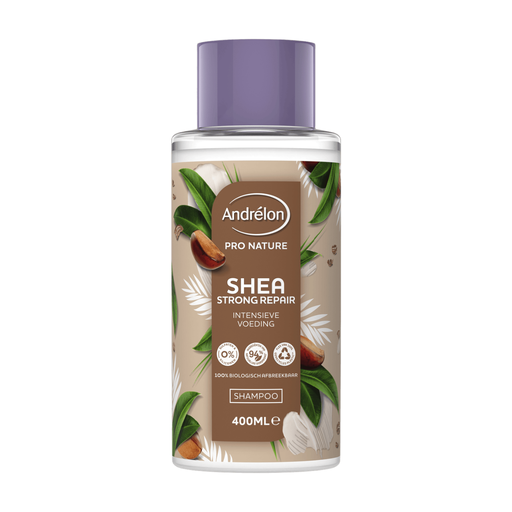
Why it suits this profile: The 400 ml bottle and focus on nourishment and repair make this variant practical for regular use at home on dry or damaged hair.
The product information explicitly states 0% sulphates and silicones and mentions the proportion of ingredients of natural origin. Check the packaging for the current formulation.
400 ml; shea butter in the ingredients list; vegan and dermatologically tested according to the product information.
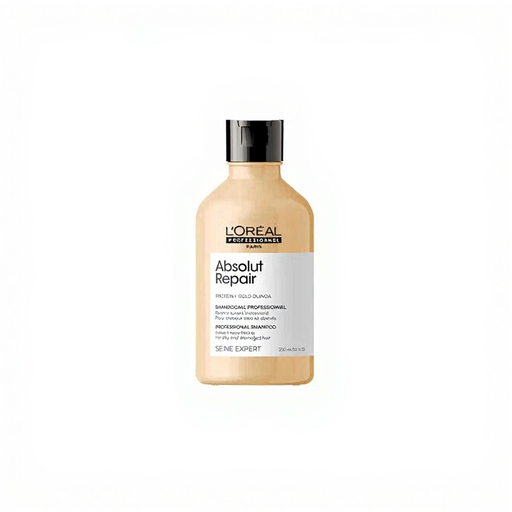
Why it suits this profile: This formula from the Professionnel range is intended for dry and damaged hair and contains golden quinoa and proteins, according to the product description.
The description does not state that the formula is sulphate-free or silicone-free. If these properties matter to you, check the ingredients list beforehand.
300 ml; intended for dry and damaged hair; pH-neutral according to the product specifications.
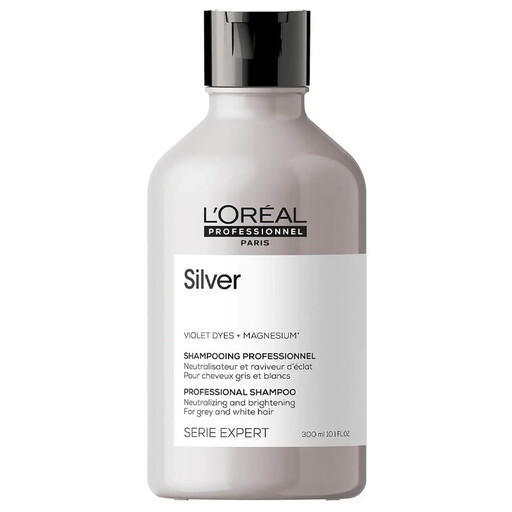
Why it suits this profile: According to the product information, this silver shampoo is designed for grey, white and light blonde hair and contains violet pigments.
The target audience and intended use are clearly described. Use the shampoo according to the label; the product information specifies a processing time of 1 to 3 minutes.
300 ml; violet pigments; suitable for grey, white and light blonde hair according to the product details.
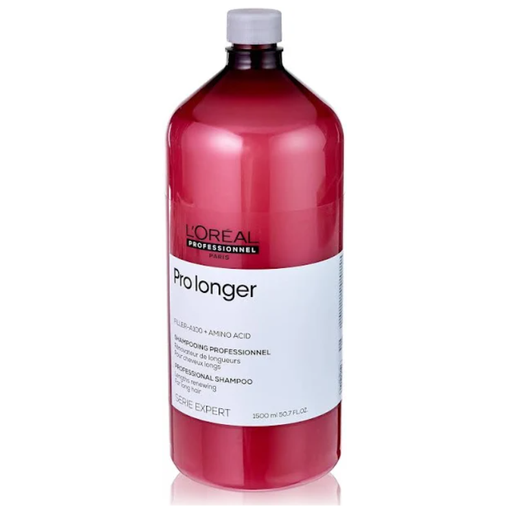
Why it suits this profile: The 1,500 ml size is designed for long-term use at home or in a salon, particularly on fine and fragile lengths and ends.
The product description specifies the target area: fine, weak lengths and ends. The bottle is supplied without a pump, so plan a suitable dispensing solution.
1,500 ml; Pro Longer variant; enriched with filler A-100 and amino acids according to the product information.
We have put together a complete, up-to-date list of products that fully meet these strict selection criteria and the applicable European safety regulations.
With shampoo for hair loss, extra care is needed. Brands may claim cosmetic support or a reduction in hair loss, but such claims are not a guarantee of individual results. According to a brand’s own research, you should not regard its effectiveness as an established medical fact. If you experience sudden or persistent hair loss, speaking to your GP is more sensible than simply switching to a different shampoo.
This depends on sebum production, your hairstyle, exercise and how much you use styling products. An oily scalp may require more frequent washing than dry hair. Wash according to how your scalp feels and rinse the shampoo out thoroughly. A deep cleanser, such as a detox shampoo, does not necessarily need to be used every day.
Not necessarily. Sulphate-free shampoo may suit people looking for a gentler cleanse or wanting to avoid sulphates. If you have a lot of oil, dandruff-like flakes or styling build-up, a more powerful cleansing formula may be more practical. Check the ingredients and choose according to your scalp and hair lengths.
Choose a repairing shampoo when your hair feels dry, porous, rough or fragile due to colouring, heat or styling, for example. Also consider the size, cleansing agents and recommended combination with conditioner. Expect your hair to feel more conditioned and look smoother; shampoo is no substitute for a haircut or professional assessment when you have serious hair concerns.
