
Vandaag of morgen in huis

Kwaliteit gegarandeerd

Welkomstaanbiedingen ontgrendelen: GRATIS bezorging | Tot 80% korting | Gratis 30 dagen JoyPlus-proefperiode
Download de app
Choosing a new shampoo may seem straightforward, but products vary considerably in terms of cleansing power, care, ingredients and volume. A formula that works well for oily hair may leave dry hair feeling stiff. And a large bottle is not automatically better value if it means using a product that does not suit your scalp.
When comparing products, pay particular attention to these three common pitfalls:
Dry, dull or frizzy hair often benefits from a nourishing shampoo or moisturising shampoo. Look for ingredients such as glycerine, oils, butters or conditioning agents on the label. A shampoo containing argan oil, avocado oil or shea butter may suit hair that quickly feels rough.
Bear in mind, however, that “nourishing” does not mean that a shampoo permanently repairs damage. According to a brand’s own research or product information, certain formulas may leave hair feeling softer, smoother or easier to manage. This is a cosmetic product description, not a guarantee for every hair type.
If you are specifically looking for a shampoo for damaged hair, you may wish to consider a formula containing caring ingredients. Also check whether you want silicones. A silicone-free shampoo can leave hair feeling lighter and less coated, while some users specifically appreciate the smoothness that silicones provide.
For oily hair, cleansing power is more important than a rich oil blend. Look for a shampoo for oily hair, or a product that clearly states “purifying”, “fresh” or “deep cleansing” as its purpose. Wash your scalp with your fingertips and apply conditioner mainly to the lengths.
A clarifying shampoo is designed to remove styling-product residue, excess oil and other build-up more thoroughly. Do not automatically use this type of product every time you wash your hair. The right frequency depends on your hair, styling routine and how quickly your scalp becomes oily.
If you have a sensitive scalp, preferably choose a formula with a straightforward ingredients list and pay attention to fragrance and known fragrance allergens. Garnier Loving Blends Mild Oat’s product description states that it has a hypoallergenic formula, but such a brand claim is not a personal guarantee. Stop using the product if irritation occurs and rinse immediately with water if it comes into contact with your eyes.
A daily shampoo generally has a milder positioning. However, the name alone does not determine how suitable a product is. Check the full INCI list and follow the instructions on the packaging.
Ingredients are listed in descending order by quantity. Sodium Laureth Sulfate, ammonium lauryl sulfate and similar cleansing agents can produce a thorough lather. Milder alternatives, such as decyl glucoside or certain glutamate and sulfosuccinate compounds, are often used in formulas positioned as gentler.
Oils, glycerine, panthenol and conditioning polymers provide more insight into a product’s caring properties. Do not focus solely on one eye-catching ingredient shown on the front of the bottle.
“95% ingredients of natural origin” is not the same as “completely natural”. A natural shampoo may still contain synthetic ingredients, fragrance or preservatives. “Vegan” refers to the absence of animal ingredients or by-products according to the product claim; it does not automatically say anything about gentleness or suitability for every scalp.
Also check certifications and the current packaging. Formulas can change. The ingredients listed on the bottle should therefore be treated as the definitive source.
A 1-litre shampoo is practical for a household with several users or for anyone who washes their hair frequently. A pump can make dispensing easier, but it does take up more space around the sink. A 300 or 400 ml bottle is more convenient for trying a product first.
Compare the price per 100 ml and consider how much you actually need. Using more shampoo does not automatically make your hair cleaner.
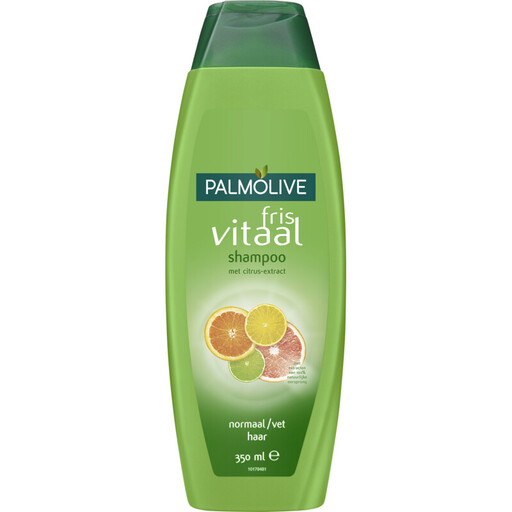
Why it suits this profile: The 350 ml bottle is a manageable choice for anyone who wants to try a fresh shampoo focused on volume without immediately buying a large size.
The product information mentions citrus extracts of natural origin and cleansing from root to tip. Check the full INCI list if you want to avoid fragrance or certain preservatives.
350 ml volume; citrus extracts of natural origin according to the product description; designed to provide freshness and natural volume.
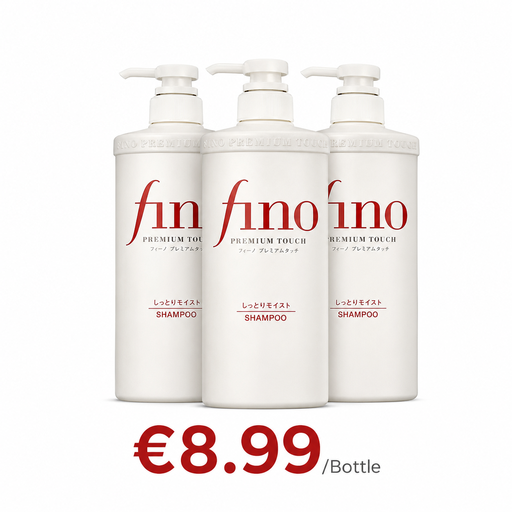
Why it suits this profile: This value pack is aimed at users who want a larger stock of shampoo and value caring ingredients such as squalane, PCA and royal jelly extract.
The ingredients list shows that the formula contains dimethicone, among other ingredients. This helps prevent a disappointing purchase for anyone deliberately looking for a silicone-free shampoo.
Value pack with three 550 ml bottles according to the product name; caring ingredients; instructions for use and safety information provided.
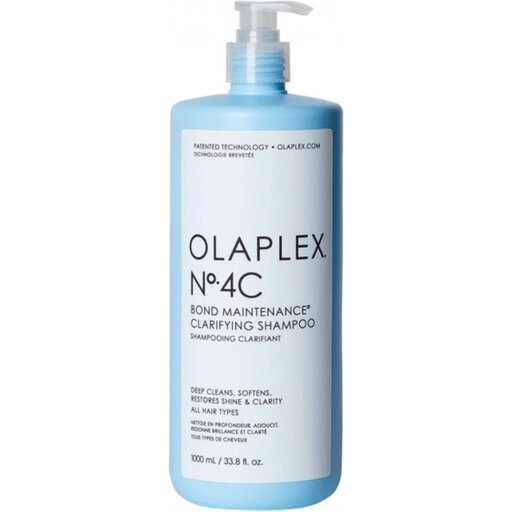
Why it suits this profile: The 1-litre volume is suitable for intensive use or a household with several users. The product description positions it as a clarifying shampoo for build-up and excess oil.
The product’s purpose is clearly described as deep cleansing. It should therefore not automatically be used as a daily shampoo if your hair tends to feel dry quickly.
1000 ml volume; developed as a clarifying shampoo; product description states that it has a vegan, sulphate-free and paraben-free formula.
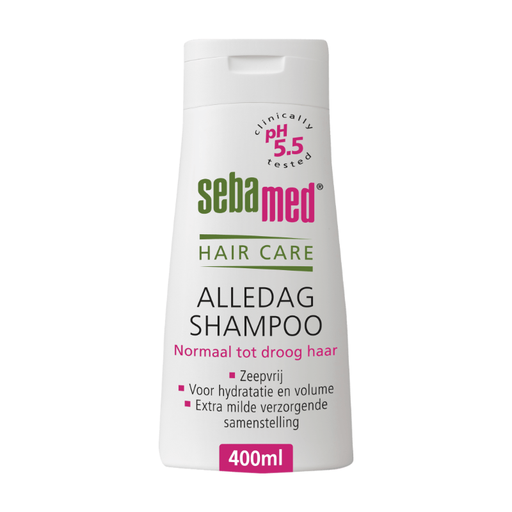
Why it suits this profile: The formula contains decyl glucoside and disodium laureth sulfosuccinate, among other ingredients, and according to the product information is intended for regular use.
The product information gives a specific intended use and a full ingredients list. Nevertheless, check the fragrance and preservatives if you have a sensitive scalp.
400 ml volume; suitable for regular use according to the product information; clear usage and safety instructions.
We have compiled a complete, up-to-date list of products that fully meet these strict selection criteria and the applicable European safety regulations.
That depends on your scalp, hair length, sporting activities and styling products. Oily hair may need washing more often, while dry or curly hair can sometimes benefit from washing less frequently. Use a small amount, massage mainly into the scalp and rinse thoroughly.
No. A silicone-free shampoo is mainly a choice for anyone who does not want silicones in the formula. Silicones can make hair feel smoother, but some users find that they make the hair feel heavier. Check the ingredients list and choose based on your hair texture and the finish you want.
Not automatically. Compare the price per 100 ml and take waste, storage space and the product’s shelf life after opening into account. A large pack, such as Sebamed Daily Shampoo 1L + Pump, can be practical for regular use, while 300 ml is more convenient for trying a formula first. Always check the current packaging for the period-after-opening symbol and instructions for use.
