
Vandaag of morgen in huis

Kwaliteit gegarandeerd

Welkomstaanbiedingen ontgrendelen: GRATIS bezorging | Tot 80% korting | Gratis 30 dagen JoyPlus-proefperiode
Download de app
Buying a new shampoo may seem straightforward, but formulas, pack sizes and intended uses can vary significantly. A product suitable for grey hair is not automatically right for a dry scalp. And a large bottle is only cost-effective if the formula fits your daily routine.
As a Joybuy Product Recommendation Officer, I filter product information based on practical considerations. This helps you quickly identify which shampoo suits your hair, scalp and usage frequency.
Words such as “repairing”, “hydrating” or “professional” do not say much on their own. Review the full product description, ingredients and intended user group. According to a brand’s own research, claims about moisture retention, reduced dandruff or stronger hair may apply under specific conditions of use. Treat such statements as brand-provided product information, not as a universal guarantee.
A 200 ml shampoo may appear cheaper than a 1500 ml bottle, but the price per 100 ml could actually be higher. Compare the price relative to the volume. A bulk-size shampoo makes particular sense for families, salons or people who use the product regularly. For occasional use, however, a large bottle may remain open for a long time.
Dandruff, dryness and sensitivity usually begin at the scalp, while damaged lengths have different care requirements. An anti-dandruff shampoo is not automatically a hydrating shampoo for dry hair. Conversely, a nourishing formula may feel too heavy on fine hair.
Use this simple guide:
Persistent redness, itching, flaking or pain should not be treated with shampoo alone. According to the product information, Lucovitaal Eczema Psoriasis Shampoo is a Class I medical device intended for use with a condition diagnosed by a doctor. Follow the stated precautions.
Always review the ingredient list on the packaging. Pay particular attention to:
A formula described as “mild” or “natural” is not automatically suitable for everyone. Check the complete product information and follow the directions for use.
The most common sizes in the range are:
For a large bottle, consider how easily it can be dispensed. A pump or smaller refill bottle can help reduce waste. Also check the shelf life and the period after opening, such as the 12M symbol found on some packaging.
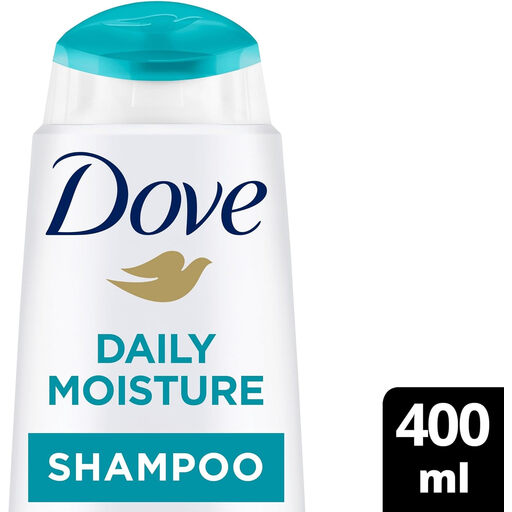
Why this profile is a good match: An accessible choice for normal to dry hair and regular household use.
The 400 ml size makes comparison with smaller 200 ml shampoo bottles more straightforward, without committing immediately to a salon-size format.
The product information mentions a Pro-Moisture complex and suitability for normal to dry hair.
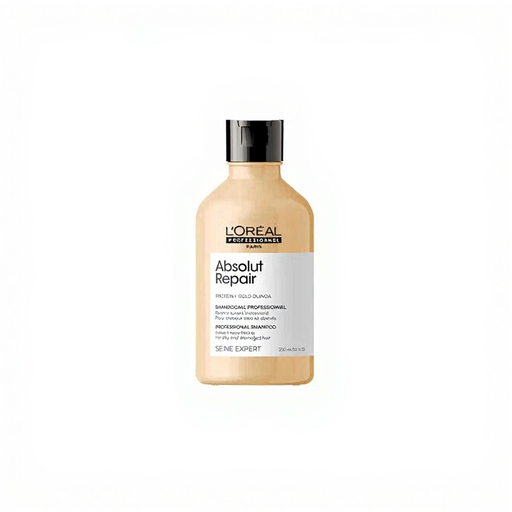
Why this profile is a good match: Designed for adults with dry, coloured or damaged hair who want a compact professional shampoo.
The packaging clearly states 300 ml, so you will not accidentally buy a large format before knowing whether the formula suits you.
According to the product information, the formula contains golden quinoa and proteins and is pH-neutral.
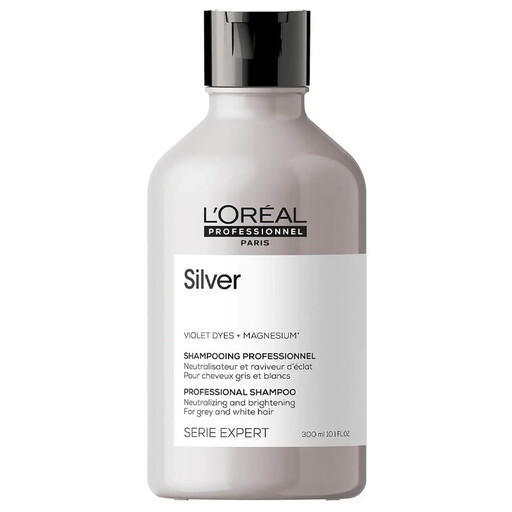
Why this profile is a good match: Ideal for maintaining the colour of grey, white or light blonde hair at home.
The intended user group and purpose are clearly stated; this is not a universal shampoo for every hair type.
The formula contains violet pigments, with a recommended processing time of 1 to 3 minutes.
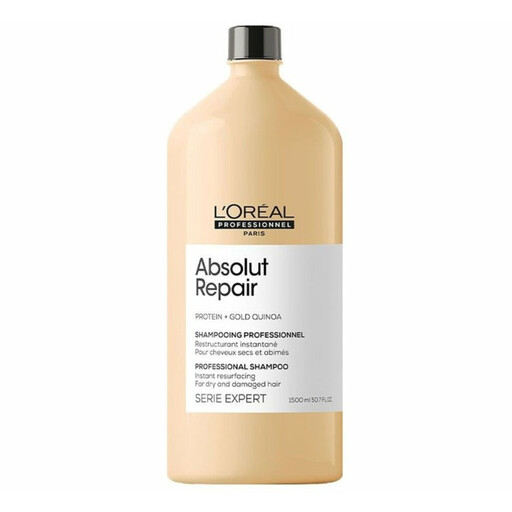
Why this profile is a good match: The salon-size bottle is designed for long-term use by families, hairdressers or people with damaged hair.
The 1500 ml volume makes the choice transparent: you are deliberately buying a bulk-size shampoo rather than simply a slightly larger bottle.
According to the product information, this formula is designed for damaged hair and contains golden quinoa and proteins.
Browse a current selection of shampoos for different hair types and scalp needs, with clear product information and pack sizes.
Wet your hair thoroughly before applying shampoo. Use a small amount, massage mainly into the scalp and rinse carefully. Use silver shampoo according to the stated processing time; leaving it on for longer may affect the colour result. If you have a dry or sensitive scalp, it is best not to wash your hair more often than your hair type and routine require.
Shampoo for damaged hair mainly provides care while you wash. For dry lengths, a conditioner, leave-in product or hair mask can provide additional nourishment. Check the warnings on every bottle and stop using the product if irritation occurs.
This depends on your scalp, hair texture, styling products and daily activity. An oily scalp may need more frequent washing than dry or curly hair. Follow the product instructions and pay attention to how your scalp responds.
Not always. Compare the price per 100 ml and check whether you use the formula frequently enough. A 1500 ml shampoo is particularly practical for families, salons and intensive users. For trying a product for the first time, a 200 ml or 300 ml shampoo is often easier to assess.
This varies by product. Check the recommended frequency and processing time on the packaging. Silver shampoo is often alternated with a regular shampoo; if scalp problems persist, seeking medical advice is wiser than continually switching products.
